
Think about it from a renter’s point of view. Applying for multiple apartments gets expensive fast, with application fees adding up. When a potential tenant offers you their own credit report, they’re often just trying to be efficient and financially responsible—great qualities in a renter. But for you, the landlord, it presents a dilemma. Is this a proactive applicant or a potential risk? Understanding how to accept tenant-provided credit checks means knowing how to balance their good intentions with your need for verified, trustworthy information. This article will help you understand the renter's motivation and give you a clear framework for making a smart, secure decision.
A tenant-provided credit check is exactly what it sounds like: a prospective renter gives you a copy of their credit report that they’ve already obtained. Instead of you initiating the screening process and pulling their information through a service, they hand over a report for your review. It’s already common practice for an applicant to pay for their own background and credit checks as part of the application fee, so this isn't a radical departure from the norm. The key difference is who controls the initial retrieval of the information and how it gets to you.
While this might seem like a simple way to speed things up and save everyone a bit of money, it changes the dynamic of the screening process. When you receive a report directly from an applicant, you're relying on a document that has passed through their hands rather than getting it straight from a trusted, neutral source. This shift is why it’s so important to understand how these reports work, what your legal obligations are, and how to protect yourself from potential risks like fraud. The goal is always to find a great tenant, and that starts with having reliable, verifiable information you can trust. Accepting a tenant-provided report requires a different level of diligence than running the check yourself, but when done correctly, it can streamline your leasing process.
Typically, a landlord or property manager uses a tenant screening service to run a credit and background check. You collect an application, get the applicant's consent, and then your chosen service pulls the report directly from one of the major credit bureaus like Experian, TransUnion, or Equifax. This process gives you confidence that the report is authentic, unaltered, and up-to-date.
When a tenant offers their own report, you lose that direct line to the source. While federal law doesn't require you to accept a tenant-provided report, some states have specific laws about tenant screening that may obligate you to accept one if it meets certain criteria, like being recent. This is becoming more common as states adopt laws to make the rental process fairer and more affordable for applicants.
The main reason a renter will offer their own credit report is to save money and time. Think about it from their perspective. If they’re applying to five different apartments, and each one charges a $50 application fee to cover screening, they’ve already spent $250 before even being approved. It gets expensive quickly. By providing their own report, they hope to bypass some of those redundant fees.
A reusable report allows them to apply for multiple properties without paying for a new screening each time. This is the core idea behind a portable tenant screening report, which is designed to be shared securely with multiple landlords. A renter who comes prepared with their report is often just trying to be efficient and financially responsible, which are great qualities in a tenant. They want to show you they’re a serious applicant who is ready to move forward.
When a prospective tenant hands you their own credit report, it can feel like a win. It saves you a step, and the applicant saves a few bucks on another application fee. On the surface, it seems efficient and considerate. But before you accept that piece of paper, it’s important to pause and think through the implications. Accepting a tenant-provided report isn't as straightforward as it seems, and it comes with a unique set of benefits and risks you need to weigh.
The core of the issue is trust and verification. How can you be sure the report is authentic, complete, and recent? While many applicants are honest, the potential for fraud is real. A doctored report could hide a history of late payments or evictions, putting your investment at risk. Plus, there are legal rules to consider. Your screening process needs to be consistent and fair for every applicant to stay compliant with housing laws. This is why many landlords and property managers create a standard procedure that includes using a trusted screening service for every application they process.
Let's start with the positives. The main appeal of accepting a tenant-provided report is speed and convenience. The applicant has the information ready to go, which can shorten your decision-making time and help you fill a vacancy faster. This approach can also reduce your administrative workload since you aren't running the check yourself. For the renter, it’s a money-saver, as they don't have to pay another screening fee. In a competitive rental market, an applicant who comes prepared with their report might seem proactive and organized. It shows they’re serious about the property and ready to move forward, which can be a good first impression.
Now for the reality check. The biggest risk is fraud. It’s surprisingly easy for someone to alter a PDF, changing dates, scores, or account statuses to hide negative information. Accepting a fake report could lead you to approve a tenant who isn't financially qualified, resulting in missed rent payments down the line. Beyond fraud, there are legal considerations. Federal law, specifically the Fair Credit Reporting Act (FCRA), doesn't require you to accept a report provided by a tenant. If you use credit information to make a rental decision, you have specific obligations, like providing an adverse action notice if you deny them. Using an unverified report complicates this process and could put you in a legally gray area.
So, is there ever a good time to consider a tenant-provided report? Maybe, but with caution. If you’re renting in a less competitive area or have a very small pool of applicants, you might be more flexible. Some landlords accept them as a preliminary screening tool before running their own official check, which helps weed out unqualified candidates early. Another scenario is when an applicant offers additional assurances, like a larger security deposit, to offset a weaker credit history. However, the safest approach is to use a system where the report comes directly from a trusted, third-party source. This is how a portable screening report offers the best of both worlds: the renter pays once for a report they can share, and you receive verified, secure information.
When you accept a credit check from a potential tenant, you're not just getting a glimpse into their financial history; you're also taking on some important legal responsibilities. This is true whether you run the report yourself or accept one from an applicant. These rules aren't meant to trip you up. They exist to ensure the screening process is fair and transparent for everyone involved, protecting both you and the renter from potential disputes.
The two main sets of rules you need to know are the federal Fair Credit Reporting Act (FCRA) and your specific state and local laws. Getting these right is crucial for avoiding hefty fines and building a reputation as a fair and trustworthy landlord. Understanding these obligations helps you make informed decisions, communicate clearly with applicants, and protect your business from legal risks. It might sound like a lot to keep track of, but once you have a solid process in place, it becomes second nature. Let's walk through what you need to know to handle tenant screening with confidence and stay on the right side of the law. Using a compliant screening service can also simplify this process significantly.
The Fair Credit Reporting Act, or FCRA, is the main federal law that governs how credit reports are used. Think of it as the rulebook for consumer information, ensuring that the data credit bureaus collect is accurate and handled privately. As a landlord, you're considered a "user" of this information, which means you have specific duties under the law. For example, if you don't rent to someone because of their credit report, you must tell them which agency provided the report and that they can get a free copy from that agency within 60 days. This is a critical step in maintaining transparency and giving applicants a chance to dispute inaccuracies on their report.
While the FCRA sets the rules at the federal level, your state and even your city can have their own laws about tenant screening. These local rules can be more specific, covering things like how much you can charge for an application fee or what questions you're allowed to ask. For instance, it's usually okay to charge a fee for the credit check, but it should be fair and cover the actual cost. Some states, like California, have rules about how much you can charge. Additionally, states like Colorado and Washington are leading the way with portable tenant screening laws, which allow renters to reuse a single report for multiple applications. It's your responsibility to stay informed about the regulations in your area.
If you decide not to rent to someone based on information in their screening report, you have to let them know formally. This is called sending an "adverse action notice." As the Fair Credit Reporting Act (FCRA) requires, you must inform applicants if you reject them due to their credit report. This notice, which can be given verbally or in writing, needs to include a few key things: the name and contact information of the screening company that provided the report, a statement that the screening company didn't make the rental decision, and a notice that the applicant has the right to get a free copy of their report and dispute any inaccurate information. Being diligent about this step protects you legally and treats applicants with respect.
While most applicants are honest, it’s smart to know how to identify a fraudulent report. Accepting a fake document can lead to significant financial loss and a stressful eviction process down the road. Protecting your investment starts with a healthy dose of skepticism and a clear process for verification. The good news is that you don’t need to be a detective to catch inconsistencies. By paying close attention to detail and doing a little extra digging, you can feel much more confident in your decision to approve a new tenant.
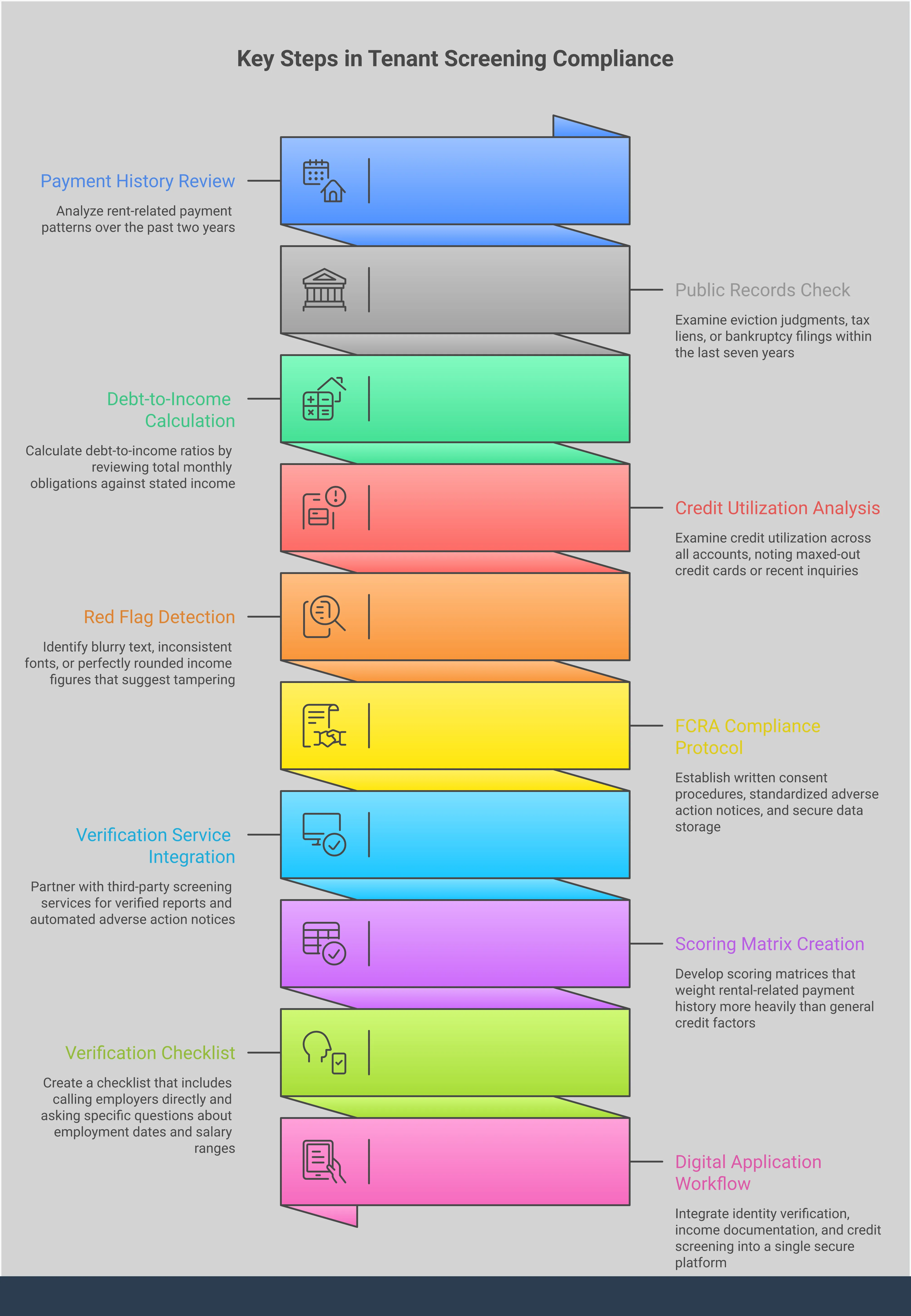
Trust your instincts, but always back them up with facts. Some applicants may alter documents to hide a poor credit history or insufficient income. Keep an eye out for common warning signs that suggest a report or supporting documents might not be legitimate. For example, pay stubs or bank statements with blurry text, different fonts, or inconsistent formatting are major red flags. Also, look for numbers that seem too perfect, like perfectly rounded income figures or repeated digits. Be wary if an applicant’s claimed employer has no professional online presence or if their income seems unusually high for their stated position. These small details can often reveal a much bigger story about an applicant's honesty.
A little proactive verification can save you a world of trouble. Instead of using the phone numbers and emails an applicant provides, do your own research to find contact information for their employer and previous landlords. A quick search on LinkedIn can help confirm a person’s job history. When you call, ask specific questions that a fake reference would struggle to answer, such as the exact dates of employment or the specific monthly rent amount. This is also where a trusted, third-party screening service shines. Using a secure platform like Portable Tenant ensures the report you receive is authentic and comes directly from a verified source, which removes the guesswork and risk of tampering.
Your responsibilities don’t end once you’ve reviewed the report. Under the Fair Credit Reporting Act (FCRA), if you deny an applicant based on information in their credit check, you must provide them with an adverse action notice. This notice should state the reason for the denial and identify the credit reporting agency that supplied the report. You also need to inform them of their right to get a free copy of their report from that agency within 60 days. Following these legal requirements for landlords is not just good practice; it’s the law. It ensures a fair and transparent process for everyone and protects you from potential legal disputes.
A credit report tells a story about an applicant's financial habits. While a tenant-provided report can be a starting point, knowing what to look for helps you assess risk and choose a reliable renter. A comprehensive report gives you the full picture, moving beyond a simple score to show you patterns of financial responsibility. This is your best tool for understanding if an applicant can consistently meet their rent obligations. Let's walk through the key areas to focus on.
First, you have the credit score. Think of it as the headline. While there's no universal "magic number," a higher score generally suggests lower risk. But the real story is in the payment history. This section shows you if the applicant pays their bills on time, which is a strong indicator of whether they'll pay their rent on time. Look for a consistent record of on-time payments for credit cards, car loans, and other debts. A few late payments from years ago might not be a dealbreaker, but a recent pattern of missed payments is a definite red flag. A thorough screening report will lay all of this out clearly for you.
Next, take a look at the applicant's total debt. It’s not just about whether they pay on time, but also how much they owe overall. An applicant with a high debt load relative to their income might be financially overextended, making it difficult to handle rent on top of their existing obligations. Also, check their credit utilization ratio, which is the amount of credit they're using compared to their total available credit. High balances across multiple credit cards can signal financial distress. Understanding this context helps you see if the applicant can comfortably afford your property, which is a key part of the landlord's screening process.
Finally, scan the report for major financial setbacks. This includes accounts that have gone to collections, especially any related to housing, like unpaid rent or utility bills from a previous address. Bankruptcies are another significant red flag, as they indicate a history of being unable to manage debt. The public records section will also show any civil judgments or tax liens against the applicant. While a single issue might have a reasonable explanation, a pattern of these events suggests a higher risk. These are the details that a comprehensive background check is designed to uncover, giving you peace of mind.
Having a standardized screening process is one of the smartest things you can do as a landlord. When you treat every applicant the same way, you not only streamline your workflow but also protect yourself from potential discrimination claims. A consistent process means you have a clear, defensible reason for every decision you make. It removes guesswork and bias, ensuring you evaluate everyone based on the same set of qualifications. This approach helps you find the best tenant for your property while staying fair and compliant with the law. Think of it as your operational playbook for filling vacancies efficiently and responsibly.
By documenting your steps and applying them uniformly, you create a paper trail that demonstrates your commitment to fair housing practices. This isn't just about legal protection; it's about building a reputation as a trustworthy and equitable landlord, which can attract higher-quality tenants in the long run. A solid process also makes you more efficient. You'll know exactly what to do when an application comes in, what documents to collect, and how to evaluate them. This saves you time and mental energy, allowing you to fill vacancies faster without cutting corners. It’s the foundation of a well-run rental business.
Staying organized is your best defense and a major time-saver. For every applicant, you should have a dedicated file, whether digital or physical, that contains all their documents. This includes their completed rental application, any communications, and of course, their screening reports. To run a credit check yourself, you'll need the applicant's name, address, and Social Security number (or ITIN). You can get credit reports directly from the major bureaus or use comprehensive tenant screening services that bundle everything together. Keeping these records tidy ensures you can easily reference information and demonstrate that you followed a consistent procedure for everyone who applied.
Before you even post a rental listing, decide what your ideal tenant looks like on paper and write it down. These are your evaluation criteria. For credit, this might include a minimum credit score, a clean payment history with no recent late payments, or a manageable debt-to-income ratio. A credit report reveals a person's financial habits over the last seven to ten years, offering a glimpse into their reliability. However, don't let a high credit score be the only thing you consider. Look at the full report for context, like bankruptcies or collections accounts. By setting your standards upfront and applying them equally to every applicant, you ensure you are complying with Fair Housing laws.
Once you've made a decision, it's important to communicate it clearly and legally. This is especially true if you deny an applicant. If your decision was based in whole or in part on information in their credit report, you are required to send them an "adverse action" notice. This letter must state the reason for the denial and inform them which credit reporting agency provided the report. You also have to let them know they have a right to dispute the information and can request a free copy of their report within 60 days. This process is a requirement under the Fair Credit Reporting Act (FCRA) and is a professional way to close the loop with all applicants.
Accepting a report directly from a tenant can feel like a tempting shortcut, especially when you have a promising applicant eager to move in. However, this approach opens the door to significant risks, from doctored documents to serious legal missteps. Using a dedicated screening service is about more than just convenience; it’s about creating a secure, fair, and consistent process for every single applicant. Think of it as an essential investment in protecting your property and your peace of mind. When you establish a uniform screening policy, you treat every applicant equally, which is a cornerstone of fair housing practices. A trusted partner ensures the information you receive is authentic, comprehensive, and fully compliant with all relevant laws. This removes the guesswork and the liability from your shoulders, allowing you to make decisions based on verified facts, not just a piece of paper someone hands you. Ultimately, this professional approach helps both landlords and renters have a smoother, more transparent experience from the very beginning, setting the stage for a positive landlord-tenant relationship. It standardizes your workflow, saves you time, and gives you the confidence that you're making the best possible choice for your rental.
It’s incredibly easy to alter a PDF or use an online tool to create a fake credit report. When you accept a report from an applicant, you’re taking their word that it’s authentic, which is a big risk. A professional screening service eliminates this uncertainty by pulling information directly from the source, like Experian. These services use secure, encrypted platforms to handle sensitive data, protecting both you and the applicant. This direct line to the credit bureaus means you get verified, untampered information every time. Using a service with built-in security helps you avoid tenants who might be trying to hide a poor rental history, saving you from future stress and financial loss.
Tenant screening is governed by a web of federal and state laws, most notably the Fair Credit Reporting Act (FCRA). Violating these regulations, even accidentally, can lead to serious legal trouble. A professional screening service is designed with compliance in mind. It ensures you have documented consent from the applicant before running a report. If you decide not to rent to someone based on their report, you have a legal obligation to provide an adverse action notice. Reputable services often provide the correct forms and guide you through this process, ensuring you follow the rules set by the FCRA and protect yourself from potential lawsuits.
A three-digit credit score doesn't tell the whole story. To make a smart rental decision, you need to understand an applicant's complete financial picture. Landlords use a credit check to lower their risk, and that means looking at the details behind the score. A comprehensive report from a trusted service shows you everything you need to see, including payment history, bankruptcies, past evictions, and high credit utilization. This context is key. A low score might be due to a past medical bill, while a high score could hide recent late payments. A portable tenant screening report gives you this full financial history, so you can assess risk accurately and choose a reliable tenant for your property.
Why would I even consider accepting a report directly from a tenant? It can be tempting, mostly because it seems to save time and effort for everyone. An applicant who comes prepared with their report can seem organized and serious about renting your property. For them, it’s a way to avoid paying multiple application fees while they search for a new home. While it can speed things up, it’s best to view it as a preliminary step rather than the final, official screening.
What's the single biggest risk of accepting a tenant-provided report? The biggest risk is fraud. It is surprisingly simple for someone to edit a document to hide a history of late payments, a previous eviction, or a mountain of debt. If you approve a tenant based on false information, you could face months of missed rent and a costly eviction process. Using an unverified report means you are making a major financial decision based on trust alone, which is a significant gamble.
Am I legally required to accept a credit report from a tenant? Under federal law, no, you are not obligated to accept a report provided by an applicant. However, some states and cities have their own rules. A growing number of states are passing portable screening laws that may require you to accept a reusable report if it meets certain criteria, such as being recent and from a qualified source. It is very important to be familiar with the specific landlord-tenant laws in your area.
If I deny someone based on their report, what exactly do I need to do? If information in a screening report leads you to deny an applicant, you are legally required to provide them with an adverse action notice. This is a formal notification, which can be written or verbal, explaining that the report influenced your decision. The notice must include the name of the screening company that provided the report and inform the applicant of their right to get a free copy and dispute any inaccuracies.
How is a portable screening service different from a tenant just handing me a report? The main difference is security and authenticity. With a professional portable screening service, the report is sent to you directly from a verified, third-party source. The applicant initiates the process and pays for the report, but you receive a secure, untampered version. This system gives you the confidence that the information is accurate while still offering the renter the convenience and cost savings of a reusable report.