
The apartment search can make you feel powerless. You find a place you love, only to join a long list of other applicants, each paying a non-refundable fee for a small chance at getting the keys. It feels like you’re just throwing money away. But what if you could change the rules of the game? What if you could apply for as many apartments as you want without paying for every single background check? It’s not a fantasy; it’s a new reality for savvy renters. Learning how to avoid multiple rental application fees is about taking back control, and it starts with understanding the tools and laws designed to protect you.
If you’ve searched for an apartment, you’ve run into application fees. They feel like another cost tacked onto an already expensive process, but what are you actually paying for? Landlords charge these fees to cover the cost of screening potential tenants. While they serve a purpose, they can also become a major financial drain when you’re applying for multiple places. Understanding what these fees are for is the first step to figuring out how you can avoid paying them over and over.
When you hand over money for an application fee, it’s not just profit for the landlord. That fee pays for services that check your background and verify you’re a reliable tenant. This process usually involves a few key components. The landlord will run a credit report to see your financial history, a nationwide criminal background check, and a search for any past evictions. These reports give them a snapshot of your history as a renter. The fee simply covers the cost of accessing these official documents, which helps property managers make informed decisions.
The problem isn't a single application fee; it's the cumulative effect of paying them again and again. In a competitive rental market, you might apply for five or ten different apartments before getting approved. If each application costs between $30 and $75, you could spend hundreds of dollars before you even sign a lease. This expense comes on top of other major move-in costs, like the security deposit and first month's rent. These hidden rental fees can quickly eat into your savings, making an already stressful apartment search even more difficult.
One of the biggest myths about apartment hunting is that you have to pay a fee for every single place you apply to. Many renters assume this is a non-negotiable part of the process, but that’s not always true. Some landlords collect fees from dozens of applicants for one unit, leaving people out of pocket with no real chance. What you might not know is that in several states, you have the right to provide your own reusable screening report. Landlords in these areas are often required to accept a portable tenant screening report you’ve already paid for, meaning they can't legally charge you their own fee.
Rental application fees can feel like a necessary evil, but they don’t have to drain your savings. With a few smart strategies, you can significantly cut down on these costs and approach your apartment search with more confidence. Instead of paying a new fee for every apartment that catches your eye, you can be more intentional and use tools that work for you, not against you. These simple adjustments to your rental search can save you hundreds of dollars, letting you put that money toward your deposit or new furniture.
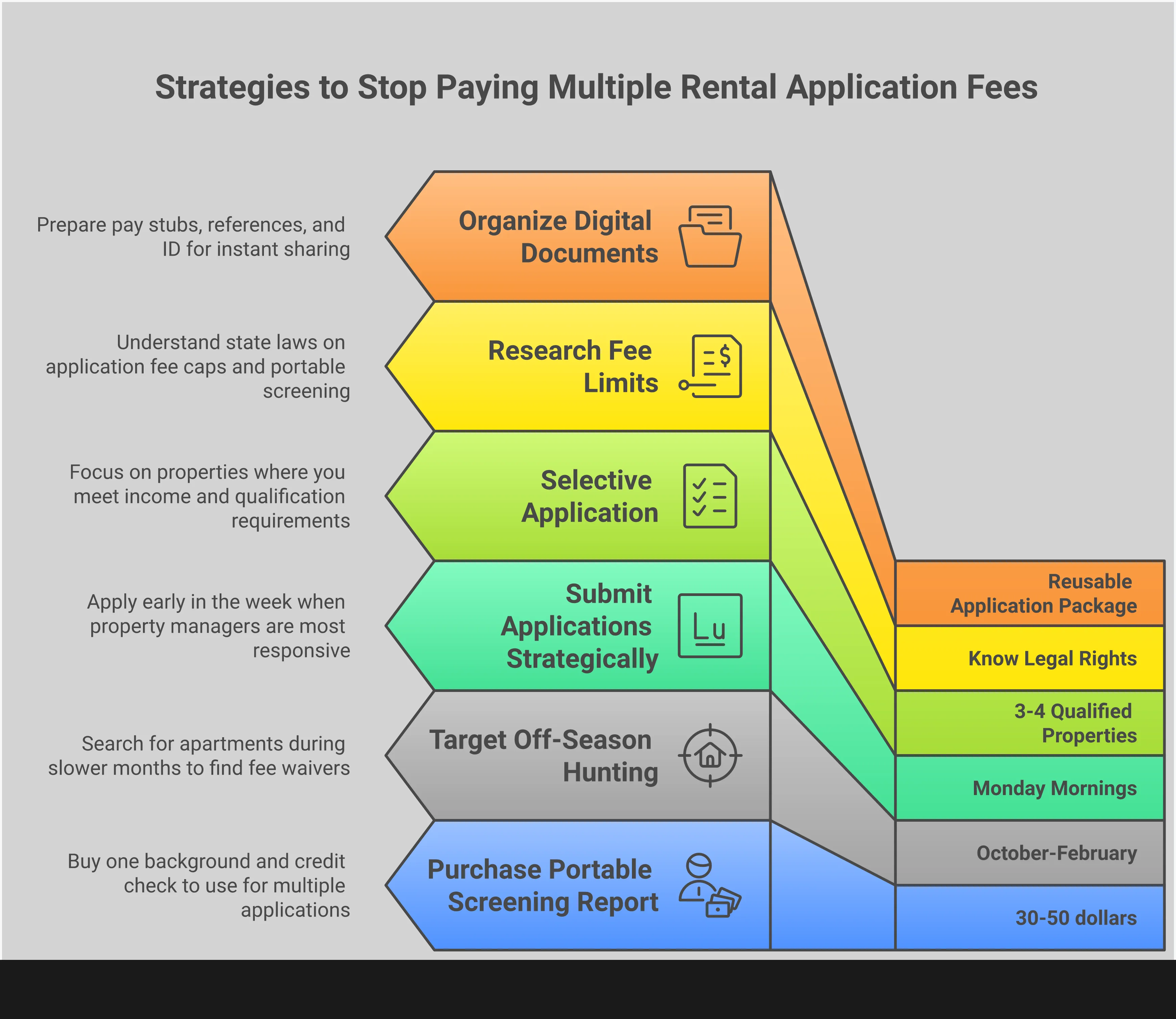
It’s easy to get excited and apply for every decent-looking place you find, but that’s a quick way to rack up fees. Before you fill out an application, make sure the rental is a serious contender. Does it meet your budget, location, and amenity needs? Are you confident you meet the landlord’s qualifications? By only applying for rentals you are genuinely interested in and qualified for, you naturally limit the number of fees you have to pay. This focused approach not only saves you money but also saves you valuable time during your search.
This is one of the most effective ways to stop paying repetitive fees. A portable tenant screening report is a comprehensive background and credit check that you purchase once and can reuse with multiple landlords. Instead of paying each landlord to run their own check, you provide them with your secure, pre-verified report. This gives landlords all the information they need to make a decision while saving you from paying application fees over and over. It simplifies the process for everyone and puts you in control of your personal information.
The rental market has its own seasons. Demand is highest in the spring and summer, which means landlords have plenty of applicants to choose from. If you can, try searching during the off-season, typically from late fall through winter. With fewer people looking for apartments, property managers are often more motivated to fill vacancies. You might find they’re more willing to negotiate or even offer specials like waived application fees to attract great tenants like you.
Believe it or not, some properties don’t charge application fees at all. These are often managed by larger companies that absorb the screening cost as part of their business operations, but you can sometimes find them with independent landlords, too. When you’re browsing rental listings, keep an eye out for "no application fee" specials. You can also use this as a search filter on some apartment-hunting websites. It takes a little extra digging, but finding one of these properties means instant savings.
Beyond just the screening report, some services allow you to create a single, comprehensive renter profile. These universal application platforms let you fill out your rental history, employment details, and other key information one time. You can then share this complete package with any landlord, streamlining your application process. This approach saves you from filling out the same forms repeatedly and, when combined with a portable screening report, creates a powerful, reusable application that makes a great first impression on property managers.
While using a portable screening report is the most reliable way to sidestep repeat fees, you might find a dream apartment where the landlord isn’t yet on board. In that case, asking for a fee waiver is a totally valid and often successful strategy. It’s not about being cheap; it’s about being a smart renter. Success often comes down to your timing, how you present yourself, and the words you choose.
Timing can make all the difference. Landlords are more likely to offer deals, like waived fees, during the rental off-season when demand is lower. This is typically in the fall and winter months when fewer people are moving. If you notice an apartment has been listed for several weeks, the property manager might be more motivated to fill it and more open to negotiation. You can also ask if they have any move-in specials, as a waived application fee is sometimes part of the package. Keep an eye on the market, and don’t be afraid to ask when you sense you have a bit more leverage.
Landlords want to find reliable, responsible tenants who will pay rent on time and take care of the property. If you can show them you’re that person, they’ll be much more interested in getting your application. Before you even ask for a waiver, make sure you have everything in order to present yourself as a top-tier applicant. This means having a strong credit history, proof of stable income, and positive references from previous landlords. Using a service like Portable Tenant helps you build a comprehensive application package that showcases your qualifications upfront, making a landlord more likely to see you as a valuable find worth making a small concession for.
Sometimes, the most effective approach is the most direct one. You don’t need a complicated story or a dramatic plea; you can simply ask the landlord or property manager if they would be willing to waive the fee. This tactic works best when you’ve already made a great impression during the tour and seem like an ideal tenant. Frame your request as a sign of your serious interest. By asking for the waiver, you’re signaling that you are ready to commit if the terms are right. It’s a small negotiation that shows you’re a proactive and confident applicant, which are great qualities in a future tenant.
Your delivery matters just as much as your timing. Always be polite, professional, and clear when you make your request. You can try a few different approaches depending on the situation. If you’re confident in your qualifications, you could say something like: “I have a strong rental history and credit score, and I’m very excited about this apartment. As a sign of good faith, would you be willing to waive the application fee?” Another option is to express your high level of interest: “This apartment is my top choice, and I’m ready to apply today. Waiving the fee would make my decision to move forward that much easier.” Be prepared for a “no,” and if you get one, accept it gracefully.
Feeling powerless in your apartment search is a common frustration, but knowing your rights can completely change the game. When it comes to application fees, you have more protections than you might think. Landlords can’t just charge whatever they want, and in many places, specific laws are in place to prevent renters from being nickel-and-dimed. Understanding these rules is your first step toward a smarter, more affordable apartment hunt. It’s not about finding loopholes; it’s about knowing the system and making it work for you. By learning the regulations in your area, you can confidently apply for your next home without overspending on redundant fees.
Depending on where you live, there may be a legal limit on what a landlord can charge for an application fee. These laws are designed to protect you from excessive costs that go beyond covering a basic background check. For example, states like New York and Wisconsin cap the fee at $20, while Massachusetts doesn’t allow landlords to charge one at all. Because these regulations vary so much from one place to another, it’s a good idea to do a quick search for the rules in your state before you start applying. A little research upfront can save you a lot of money and help you spot a landlord who might not be following the rules.
One of the most powerful tools you have is a portable tenant screening report. Instead of letting every landlord run a new background and credit check (and charge you for it), you can get one comprehensive report yourself and share it with multiple properties. This is exactly how a portable report works: you pay once, control your personal information, and reuse the report for every application you submit. It puts you in the driver's seat, saving you from the endless cycle of paying $50 here and $75 there. It’s a smarter, more efficient way to apply for apartments that keeps your money in your pocket.
In a growing number of states, your right to use a portable screening report is protected by law. States like Colorado, Washington, and Maryland have passed legislation that requires landlords to accept a reusable report from a prospective tenant. For instance, Colorado’s Rental Application Fairness Act makes it mandatory for landlords to accept a portable report you provide, as long as it meets certain criteria. These laws aren’t just suggestions; they are legal requirements that streamline the application process for everyone. They ensure you aren’t unfairly charged multiple times and help landlords stay compliant while finding qualified tenants faster.
Finding a new apartment should be exciting, but the process can feel draining when every application comes with a fee. Instead of letting those costs pile up, you can take control with a smart, proactive plan. A little preparation goes a long way in keeping your budget intact and reducing the stress of your search. Think of it as creating your own rental toolkit. By getting organized, being selective, and asking the right questions, you can approach your apartment hunt with confidence and save a significant amount of money. Let’s walk through the four key steps to building your plan.
Instead of scrambling to find your documents every time you find a new listing, get everything ready in one go. Create a digital folder with your photo ID, recent pay stubs, and letters of reference. The most important piece of this package is a portable tenant screening report. This is a comprehensive, reusable report that includes your credit, criminal, and eviction history. You purchase it once and can share it with as many landlords as you need to. Since the background check is often the priciest part of an application fee, using a single, secure report saves you from paying for it over and over again.
It’s easy to get caught up in the search and start applying to every apartment that looks halfway decent. But this "spray and pray" approach is a fast track to draining your bank account. Before you start touring, make a clear list of your must-haves and deal-breakers, from budget and location to pet policies. Only apply for rentals you are truly excited about and can realistically see yourself living in. This focused strategy helps you pay fewer fees and allows you to put more effort into the applications for the places you actually want.
The rental market ebbs and flows with the seasons. Peak moving season, typically in the summer, is when competition is highest and landlords have the upper hand. If your timeline is flexible, consider searching in the off-season, like late fall or winter. With fewer people looking, you’ll face less competition, and some landlords might be more willing to negotiate. Also, think about when you submit your application. Sending it in on a Monday morning could get it reviewed faster than submitting it late on a Friday afternoon before the weekend. A little strategic timing can make a big difference.
Nothing sours the excitement of finding a great apartment like unexpected costs. Before you fill out an application or pay a dime, ask the landlord or property manager for a complete breakdown of all potential charges. Ask specifically about the application fee, administrative fees, move-in fees, pet fees, and any other hidden costs that might not be listed in the ad. Getting this information in writing, even just in an email, is a great way to protect yourself from last-minute surprises. This simple step ensures you know the full financial picture before you commit.
What if a landlord refuses to accept my portable screening report? This can happen, but how you handle it depends on where you live. In states with portable screening laws, like Colorado and Washington, landlords are legally required to accept a valid report you provide. You can politely remind them of the local law. In other areas, it’s more of a negotiation. You can explain that your report contains all the necessary information from a trusted source, which saves both of you time and keeps your personal data more secure.
How is a portable screening report different from just printing my own credit report? A portable screening report is much more than just a credit score. It’s a complete package designed specifically for landlords, including your credit history, a nationwide criminal background check, and any eviction records. It’s provided by a secure, third-party service, which gives landlords confidence in the information. Handing them a comprehensive, verified report looks far more professional and prepared than simply giving them a credit score you printed yourself.
Besides the application fee, what other move-in costs should I ask about? It’s smart to get a full picture of all potential costs before you commit. Always ask about administrative fees, which are sometimes charged for processing your lease. Also, clarify the security deposit amount, any non-refundable move-in fees, and pet fees or deposits if you have a furry friend. Getting a written list of all charges upfront ensures there are no expensive surprises right before you sign the lease.
Is it still worth getting a portable report if I think I’ll find an apartment quickly? Even if you only apply to two or three places, a portable report is often worth it. The cost is usually comparable to paying two separate application fees, but the benefits go beyond just saving money. You also gain significant control over your personal information. Instead of giving your Social Security number and other sensitive data to multiple landlords, you share one secure report. That peace of mind is a huge advantage.
How can I find the specific rules about application fees in my city or state? The best way to get accurate information is to do a quick online search for terms like "[Your State] tenant rights" or "[Your City] rental application fee limits." You can also look for local tenant unions or housing advocacy groups in your area. These organizations often have resources and guides on their websites that explain the local regulations in simple, clear terms.