
The rental application process is often a source of frustration for everyone involved. Renters face the high cost of paying for multiple background checks, while landlords worry about the accuracy of the reports they receive. On Reddit, these conversations are happening every day, with both sides searching for a better way. This is where the quest for the best tenant screening services reddit users trust becomes so important. It’s not just about finding a cheap or fast option; it’s about finding a solution that is fair, transparent, and reliable. We’ll explore the services that are changing the game, including modern platforms that empower renters and provide landlords with the verified information they need.
When you want the real scoop on something, where do you go? For many landlords and renters, the answer is Reddit. We combed through countless threads in subreddits like r/Landlord and r/realestateinvesting to see what real people are looking for in a tenant screening service. It boils down to a few key things: thoroughness, accuracy, and a process that’s fair for everyone.
First and foremost, landlords on Reddit want a complete picture. They’re not interested in surface-level checks; they’re looking for a “multi-tool” service that provides a comprehensive report covering all the bases. This means a deep dive into a potential tenant's background, including nationwide criminal and eviction histories, sex offender status, and a full credit report that shows more than just a score. The goal is to get a clear, detailed understanding before handing over the keys.
Just as important is solid proof of a tenant's financial stability. Redditors consistently stress the need for reliable income and employment verification. It’s one thing for an applicant to state their income; it’s another to have it verified by a trusted third party. This step gives landlords the confidence that a tenant can consistently meet their rent obligations, which is fundamental to a successful rental relationship.
Finally, the process itself matters. Many landlords prefer services that allow the tenant to pay the screening fee directly, which simplifies the workflow and keeps things straightforward. This model aligns perfectly with the growing demand for portable screening reports, where a renter pays for one detailed report and can share it with multiple landlords. It saves time and money for both parties—a win-win that gets a lot of praise in online forums.
When you want honest, unfiltered opinions, you go to Reddit. I spent hours scrolling through threads on r/Landlord and r/realestateinvesting to see which tenant screening services real people actually use and recommend. What I found is that there’s no single "best" service—it all depends on what you value most. Some landlords want the most detailed, human-verified reports possible, while others are looking for a free, all-in-one platform to manage their properties.
The good news is that there are plenty of solid options out there. From services that empower renters with control over their own data to platforms backed by major credit bureaus, the community has tested them all. Below is a breakdown of the tenant screening services that consistently get the most love on Reddit, along with what makes each one stand out.
Portable Tenant is changing the game by putting renters in control of their own screening reports. Instead of paying application fees over and over, renters can purchase one comprehensive report and share it with multiple landlords. This model is a huge win for renters, especially in competitive markets. For landlords, it means receiving a complete, compliant, and verified report directly from an applicant who is serious about the property. It streamlines the process, ensures you meet legal requirements in states with portable screening laws, and gets you a high-quality tenant faster.
If data accuracy is your top priority, MySmartMove is a name that comes up again and again. It’s powered by TransUnion, one of the three major credit bureaus, so you know the information is reliable. Landlords on Reddit praise it for providing a complete picture of an applicant, including a credit report, national criminal background check, and eviction history. Because it’s backed by such a trusted source, many landlords feel confident making decisions based on the detailed reports it generates. It’s a straightforward, professional-grade tool for serious property owners.
What sets RentPrep apart is its human touch. While many services rely on purely automated database searches, RentPrep uses FCRA-certified screeners to review reports and double-check information. This is a huge advantage when dealing with common names or unclear records that an algorithm might misinterpret. Reddit users appreciate this extra layer of diligence, as it helps prevent false positives and ensures the information you receive is as accurate as possible. If you want to minimize risk and get a report that’s been reviewed by a real person, RentPrep is a fantastic choice.
For landlords who want to manage everything in one place, Zillow Rental Manager is a go-to. You can list your property, screen applicants, and even collect rent through a single, user-friendly dashboard. The platform is incredibly popular, meaning you’ll get a wide pool of applicants. The screening, which is handled by Experian, covers background and credit checks. While it’s a powerful tool, some landlords on Reddit note that it doesn’t help with creating lease agreements, so you may need a separate tool for that final step.
Avail is a favorite among independent landlords, largely because its core services are free for them. Landlords can list properties, screen tenants, and sign leases without paying a fee. The applicant covers the cost of the screening reports, which include credit, criminal, and eviction checks. What makes Avail especially useful is that it also helps you create state-specific leases and manage rent payments online. It’s a comprehensive solution that’s perfect for landlords who are just starting out or managing a small number of properties and want to keep costs down.
TurboTenant operates on a similar model to Avail, making it another excellent budget-friendly choice. It’s completely free for landlords; the prospective tenant pays a flat fee for the application and screening report. The platform offers marketing tools to syndicate your listing across multiple websites, as well as online applications and, of course, tenant screening. Redditors often recommend it as a simple, no-frills way to find and screen tenants without any upfront cost to you. It’s a streamlined tool that focuses on getting the essentials right.
Formerly Cozy, Apartments.com is another heavyweight in the rental space that offers a suite of free tools for landlords. You can manage your listings, applications, screening, and payments all from one platform. Like other free services, the tenant pays a small fee to share their screening and application with up to 10 landlords for 30 days. Its integration with the massive Apartments.com network means your listing gets great visibility. It’s a reliable and well-regarded option for landlords who want a powerful, all-in-one solution without the price tag.
Figuring out the cost of tenant screening can feel a bit like peeling an onion—there are a few layers to get through. The price isn't just a single number; it depends on the service you choose, the depth of the report, and who is paying for it. Some services are free for landlords, while others have a subscription model. Understanding these different pricing structures is the first step to finding a solution that works for your budget. The cost typically ranges from about $35 to $75 per applicant, covering essentials like credit checks, criminal background reports, and eviction history.
When you see a service advertised as "free," it's almost always free for the landlord, not the renter. Platforms like Zillow Rental Manager allow landlords to request screening reports at no charge to themselves. Instead, the prospective tenant pays an application fee, usually around $30 to $40, to submit their information. This model is popular because it removes any upfront cost for property owners. On the other hand, some services have different pricing tiers. A basic report might be cheaper, while a more comprehensive screening that includes income verification or calls to previous landlords will cost more. The key difference is often the quality and source of the data, so a higher price can sometimes mean a more thorough and accurate report.
In the vast majority of cases, the tenant pays the screening fee. Landlords often prefer this setup not only because it saves them money but also because it can act as a filter for serious applicants. If someone is willing to pay the application fee, they're likely more committed to the property. While this is standard practice, it places a significant financial burden on renters, who often have to apply to multiple properties and pay a separate fee for every single application. This is precisely the problem that a portable tenant screening report solves. By paying once for a comprehensive report, renters can share it with multiple landlords, saving both time and money throughout their apartment search.
Before you commit to a service, it’s crucial to read the fine print. Some screening platforms might have hidden costs, like setup fees for landlords or additional charges for more detailed reports. It's also important to be aware of local and state laws. Some states have specific regulations around rental application fees that cap the amount a landlord can charge or dictate how the fee can be used. Make sure the service you choose is transparent about its pricing and helps you stay compliant. Ask if there are any add-on costs for things like income verification or judgment searches. A reputable service will be upfront about all potential charges, ensuring there are no surprises for you or your potential tenants.
A tenant screening report is only as good as the data inside it. On Reddit, you’ll find countless stories of mistaken identities and outdated information causing major headaches for both renters and landlords. The accuracy of these services varies widely, and it all comes down to where they get their information and how they verify it. A small error can lead to a great tenant being overlooked or a landlord facing legal trouble. That’s why understanding what’s going on behind the scenes is so important before you choose a service.
Screening services aren't creating this information from scratch; they pull it from a variety of databases. Your credit history comes directly from major credit bureaus like Experian, TransUnion, and Equifax. The criminal and eviction data is gathered from millions of public records at the local, state, and federal levels. This includes court filings and other government documents. The problem is, public records aren't always perfect. A simple data entry error at a courthouse or a common name can easily lead to a mix-up, attaching someone else’s negative history to your report.
How a service processes that data is a game-changer. Many platforms rely on fully automated systems that simply pull information matching a name and date of birth. This is fast, but it’s also how mistakes happen. An algorithm can’t always tell the difference between two people with the same name or understand the context of a court filing. Some services, like RentPrep, use human researchers to double-check unclear records. This hands-on approach adds a layer of verification that helps ensure the information is accurate and correctly assigned, preventing a simple misunderstanding from derailing an application.
When a report is wrong, the consequences are serious. For renters, an error can mean being unfairly denied a home. In some cases, landlords have faced housing discrimination lawsuits for rejecting applicants based on faulty reports. For landlords, relying on bad data can lead to legal risks and poor tenant choices. This is why transparency is key. Under the Fair Credit Reporting Act (FCRA), you have the right to dispute inaccuracies. Services that allow renters to review their own report before sharing it give you the power to catch and correct errors upfront, ensuring landlords receive the most accurate information possible.
For all the great advice on Reddit, you’ll also find a healthy dose of cautionary tales. When it comes to tenant screening, Redditors are quick to share their frustrations, and these complaints highlight some major pitfalls in the industry. Landlords and renters alike run into the same issues time and again, from reports riddled with errors and mixed-up identities to sky-high application fees and non-existent customer support. These aren't just minor annoyances; they can have serious consequences, like good tenants being unfairly rejected or landlords facing legal trouble. Understanding these common problems is the first step to choosing a service that actually works for you, instead of against you.
One of the most alarming complaints you'll see on Reddit is about flat-out wrong information. Automated background checks can easily mix up people with similar names, pulling incorrect eviction or criminal records. This can lead to significant errors in tenant screening data, causing qualified applicants to be unfairly denied. For landlords, relying on this faulty data isn’t just bad practice—it can lead to discrimination lawsuits and the loss of great tenants. When a screening service doesn't have a solid process for verifying identities and ensuring accuracy, everyone loses.
Another major point of frustration for renters on Reddit is the cost of applications. In a competitive market, you might apply for several apartments, and paying a separate screening fee of $35 to $75 for each one adds up fast. Many users point out that this model feels unfair, as they are paying repeatedly for the same background information. This financial burden can limit a renter's options and creates a stressful, expensive search. The conversation often turns to why renters can't use a single, reusable report for multiple applications, saving both time and money.
When an issue does come up—like an error on a report—getting help can be a nightmare. Reddit is filled with stories of users trying to contact screening services only to be met with automated responses or no response at all. This lack of accessible, human support is a huge red flag. Whether you're a landlord needing clarification on a report or a renter trying to dispute incorrect information, hitting a wall of inadequate support is incredibly frustrating. A reliable service should have a responsive team ready to help you resolve problems quickly.
When you're sifting through tenant screening services, the sheer number of options can feel overwhelming. While every landlord has a slightly different checklist, a few core features are non-negotiable for protecting your investment and finding a reliable tenant. Think of these as the foundation of any solid screening process. Without them, you’re essentially flying blind. Let’s break down the absolute must-haves that Redditors and experienced landlords agree on, so you can choose a service that gives you a clear, complete picture of every applicant.
At the very top of the list are comprehensive credit and criminal background checks. This is your first line of defense and provides a baseline for an applicant's financial responsibility and history. A thorough report should give you more than just a credit score; look for a detailed credit history that includes payment patterns, outstanding debts, and any accounts in collections. On the criminal side, you’ll want a nationwide search that flags any relevant convictions. The best services bundle these reports with eviction history, giving you a multi-faceted view of the applicant’s background so you can assess risk accurately and fairly.
A great credit score doesn't mean much if the applicant can't afford the rent. That’s why income and employment verification is another critical feature. You need confirmation that a potential tenant has a stable and sufficient source of income to comfortably cover their monthly payments. Many landlords on Reddit mention looking for a credit score around 650, but they place equal importance on verifying income to ensure there are no red flags, like a history of collections. This step moves you beyond guesswork and allows you to make an informed decision based on concrete financial data, ensuring a tenancy that is sustainable for everyone involved.
Past rental behavior is one of the strongest predictors of a future tenancy. A detailed eviction history report is essential for spotting applicants who have left previous landlords in a difficult position. But accuracy is key. Inaccurate reports can lead to denying a great applicant or, even worse, landing you in legal trouble for unfair screening practices. This is why it’s so important to use a service that provides reliable, FCRA-compliant data. Checking eviction history and following up with rental references gives you the full story, helping you choose a tenant who will respect your property and fulfill their lease agreement.
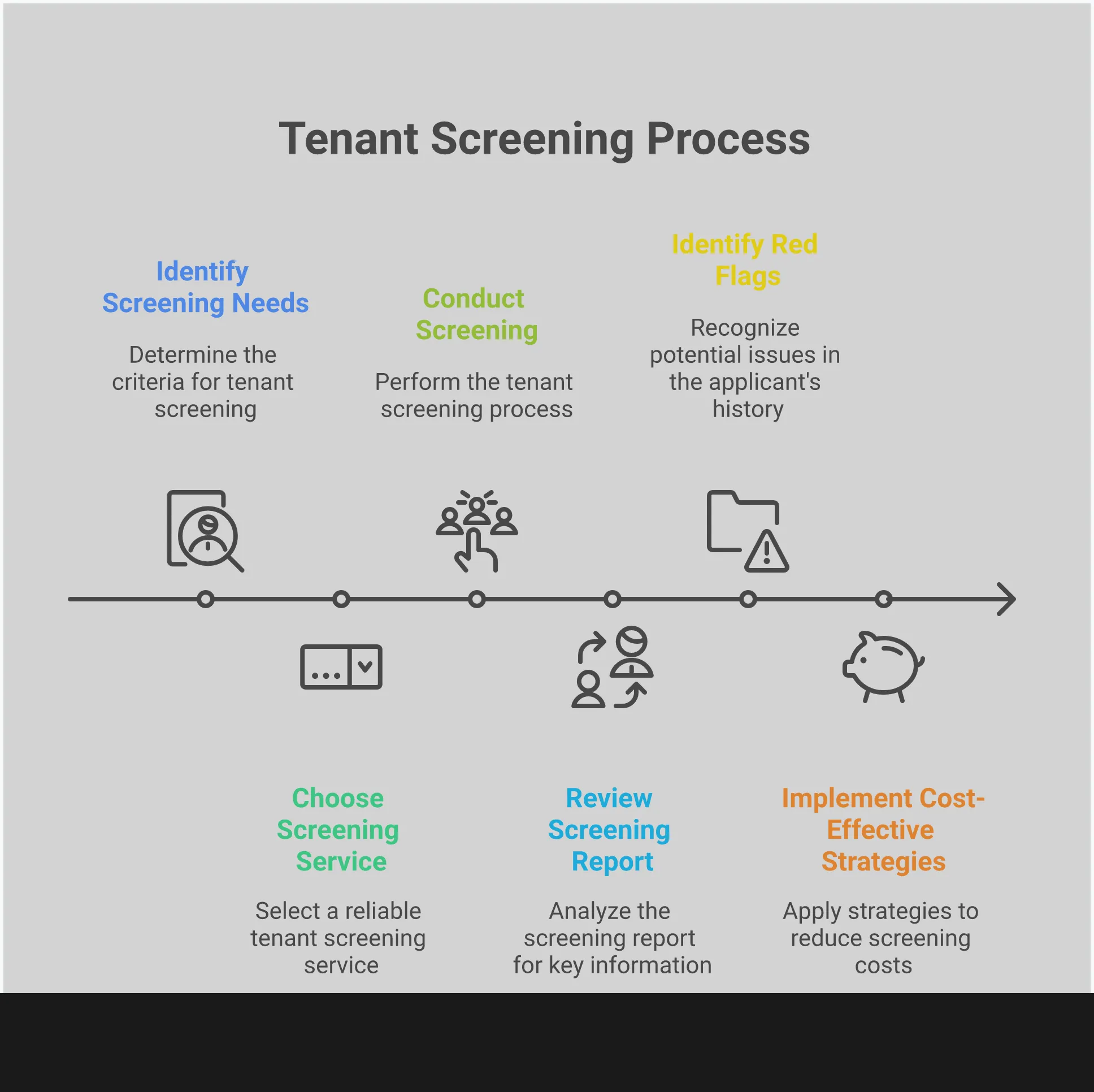
Choosing the right screening service is a huge first step, but Reddit’s landlord community knows that the tool is only as good as the process you build around it. Experienced landlords on the platform share a wealth of knowledge on how to screen tenants effectively, protect your investment, and stay on the right side of the law. It’s not just about running a background check; it’s about creating a standardized, fair system that helps you find reliable, long-term renters.
Following a clear set of guidelines for every applicant removes guesswork and emotion from the equation. This protects you from potential fair housing complaints and ensures you’re making a sound business decision based on data, not just a gut feeling. From setting clear financial requirements to doing your due diligence on the information provided, these tips from seasoned landlords can help you refine your screening strategy and fill your vacancies with confidence.
One of the most common pieces of advice you’ll find on landlord subreddits is to establish and document your screening criteria—and then stick to it for every single applicant. A consistent process is your best defense against accusations of discrimination. As one Redditor put it, "Highly recommend you solidify a formal tenant screening process and put it on paper. 'Gut feelings' can get you in trouble from a fair housing perspective."
This means deciding on your minimum requirements for things like credit score, income, and rental history before you even list your property. When you apply these same standards to everyone, you ensure fairness and make your decision-making process objective and defensible.
A credit score is a quick snapshot of an applicant's financial responsibility, and many landlords on Reddit have a clear benchmark they look for. While it can vary by market, a common recommendation is a score in the mid-600s. One landlord shared their standard: "I usually look for a score of at least 640-650, and absolutely no collections history."
Setting a minimum score helps you quickly filter applicants, but it’s also important to look at the full report. A low score due to medical debt might be viewed differently than one caused by multiple unpaid rent collections. A comprehensive credit report gives you the context needed to make an informed decision.
An applicant’s ability to pay rent on time is non-negotiable, which is why verifying their income is a critical step. You can’t simply take their word for it. A popular rule of thumb is to require that an applicant's gross monthly income is at least three times the rent. But you still need to confirm the numbers are real.
One landlord on Reddit described their thorough process: "verify income and make sure deposits match income they claim." While asking for bank statements is one way to do this, modern screening solutions can streamline this step. Services like Portable Tenant offer secure income verification, which saves you time and gives renters a safer way to share their financial data.
Finding the right tenant feels like a huge win, but a few common missteps in the screening process can turn that victory into a major headache. Skipping steps or using the wrong tools can lead to late rent, property damage, and even legal trouble. The good news is that these mistakes are entirely avoidable. By establishing a clear, consistent, and compliant process, you can protect your investment and build a positive relationship with your tenants from day one. Let’s walk through the most common pitfalls landlords face and how you can steer clear of them.
When you’re juggling a dozen different tasks, it’s tempting to pick the first or cheapest screening service you find. But using an unreliable service can backfire spectacularly. Inaccurate or incomplete reports can leave you with a flawed picture of an applicant, leading to issues with rent collection and property care down the line. Worse, a faulty report could land you in legal hot water. One Florida landlord was sued for housing discrimination after allegedly denying applicants based on an eviction report that contained errors. A dependable screening service provides verified, accurate data, giving you the confidence to make fair and informed decisions.
Fair housing laws aren't just suggestions—they're strict rules that every landlord must follow. These regulations exist at the federal, state, and even local levels, and they dictate what you can and cannot consider when evaluating an applicant. Ignoring them, even accidentally, can result in serious penalties. It’s your responsibility to understand the laws that apply to your property. A reputable screening service can certainly help you stay compliant, but it’s crucial to do your own homework. This also means applying your screening criteria consistently to every single applicant, every single time, without exception.
It’s easy to think you can size up an applicant based on a friendly conversation, but relying on a "gut feeling" is one of the riskiest things you can do. Not only is it unreliable, but it can also open you up to discrimination claims. As one landlord on Reddit wisely put it, "‘Gut feelings’ can get you in trouble from a fair housing perspective." The best way to protect yourself is to create a formal, written screening process with objective criteria. Decide on your minimum credit score, income-to-rent ratio, and other qualifications before you start accepting applications. Sticking to your data-driven criteria ensures you treat every applicant fairly and make the best decision for your business.
The best tenant screening service isn't a one-size-fits-all solution. Your ideal choice depends on whether you're a landlord managing a single property, a property manager juggling dozens of units, or a renter looking for your next home. Each role has different priorities, from budget and efficiency to data privacy. Let's break down which services might be the right fit for you based on your specific needs.
When you're managing costs, every dollar counts. You need a reliable screening service that won't eat into your profits. Many landlords on Reddit recommend services where the applicant covers the fee. For example, Apartments.com is free for landlords, with the tenant paying around $30 for the application and screening. Another great option is Avail, which offers affordable monthly plans that bundle services like background checks, state-specific lease creation, and online rent payments. These platforms provide the essential checks you need to find a great tenant without requiring a significant financial investment on your part, helping you maintain a positive cash flow for your property.
As a property management company, you need comprehensive, accurate, and efficient tools to handle a high volume of applicants. MySmartMove, which is powered by TransUnion, is a popular choice for its detailed reports covering credit, criminal, and eviction history. For an even higher level of accuracy, some professionals combine services. Using a tool like RentPrep is a smart move because they use human researchers to verify records, which can clear up ambiguities that automated systems might miss. This commitment to detail helps you make more informed decisions, protect your clients' investments, and streamline your property management operations.
Applying for apartments can feel like you're handing your personal data out to anyone who asks. If privacy is your top concern, look for services that put you in control. A modern solution is a portable tenant screening report, which allows you to purchase one comprehensive report and share it securely with multiple landlords. This model means your sensitive information, like your Social Security number, isn't stored in various databases. You get to decide who sees your report and for how long. This approach not only saves you money on application fees but also gives you peace of mind, knowing you have complete authority over your personal data throughout your housing search.
With so many options, how do I actually choose the right screening service for my property? The best service really depends on your specific needs. If you're a landlord on a tight budget, a platform where the applicant pays the fee, like Zillow or Avail, is a great starting point. If you manage multiple properties and need maximum accuracy, a service with human-verified reports like RentPrep or one backed by a major credit bureau like MySmartMove might be worth the investment. The key is to first define your priorities—whether it's cost, comprehensiveness, or an all-in-one management platform—and then find the service that aligns with them.
Is it standard practice for the tenant to pay the screening fee? Yes, in most cases, the prospective tenant pays the fee directly to the screening service. Landlords often prefer this model because it eliminates their upfront costs and tends to attract more serious applicants. However, this system can become expensive for renters who are applying to multiple places. This is why portable screening reports are becoming more popular, as they allow a renter to pay once for a report they can share with several landlords, making the process more efficient and affordable for everyone.
What should I do if an applicant's report has a red flag, like a low credit score or a past eviction? A red flag isn't an automatic "no." It's a signal to look closer at the context. A low credit score caused by student loans or medical debt is very different from one caused by a history of unpaid rent. The most important thing is to have your rental criteria established in writing before you start screening. If you decide to make an exception for one applicant, you must be prepared to make that same exception for everyone to stay compliant with fair housing laws.
As a renter, how can I protect my personal information during the application process? This is a valid concern, as traditional applications often require you to share sensitive data like your Social Security number with multiple landlords. The most secure approach is to use a service that offers a portable screening report. This model puts you in control of your own data. You purchase one comprehensive report and then share a secure link with landlords, who can view the information without storing it themselves. You can even revoke access once a decision has been made, which is the best way to keep your personal information safe.
What's the most important thing to remember to avoid legal trouble? Consistency is everything. Your best protection against a fair housing complaint is to create a standardized, written screening process and apply it to every single applicant without exception. This means setting your minimum income requirements, credit score, and other qualifications ahead of time. When you make decisions based on objective data and a consistent process, rather than a "gut feeling," you ensure fairness and significantly reduce your legal risk.