
The rental application is often the first real interaction a potential tenant has with you or your business. A clunky, slow, and confusing screening process can turn off great applicants before you even get a chance to review their information. In a competitive rental market, providing a smooth, professional experience is a key advantage. A modern consumer reporting agency for landlords does more than just pull data; it offers a seamless, digital platform that respects everyone's time and privacy. By making it easy for applicants to submit their information and share their reports securely, you show that you're an organized and professional landlord, helping you attract the best tenants in your area.
If you’re a landlord, you’ve likely heard the term Consumer Reporting Agency, or CRA. Think of a CRA as a data detective for your rental business. These are companies that gather and sell consumer reports containing key information about potential tenants. Using a CRA is a standard and essential step in the screening process, helping you get a reliable picture of an applicant's background before you hand over the keys.
These reports give you the insights you need to make fair, informed, and confident leasing decisions. By partnering with a reputable CRA, you can verify the information on a rental application, assess potential risks, and ensure you’re choosing a responsible tenant for your property.
A CRA’s main job is to provide you with a comprehensive report on a rental applicant. When someone applies to rent your property, you can use a consumer report to verify their financial and personal history. These reports typically include a credit check, a nationwide criminal background check, and any past eviction records.
The goal isn't to be invasive; it's about due diligence. This information helps you assess whether an applicant is likely to pay rent on time and take care of your property. It creates a standardized, fact-based process for evaluating every application, which is crucial for maintaining a fair and compliant rental business. A solid screening process is your first line of defense in protecting your investment.
So, where does all this information come from? CRAs are essentially data aggregators. They work with major credit bureaus like Experian, TransUnion, and Equifax to pull credit histories. They also search through millions of public records from local, state, and federal sources to find criminal and eviction data.
These credit reporting companies compile details about how an applicant has managed their financial obligations in the past. This includes their history of paying back loans, credit card balances, and any accounts in collections. By gathering data from these different sources, a CRA creates a single, easy-to-read report that gives you a well-rounded view of the applicant, saving you the time and effort of tracking down the information yourself.
The world of tenant screening is filled with a few persistent myths. Let’s clear some of them up. One common misconception is that all reports are perfectly accurate. The truth is, errors can and do happen. That’s why both you and the applicant have a right to dispute incorrect information under the Fair Credit Reporting Act (FCRA).
Another myth is that a perfect rent payment history will always appear on a credit report. In reality, most landlords don’t report rental payments to credit bureaus, so a credit report may not tell the whole story of their reliability as a tenant. Finally, remember that you can’t pull a report on just anyone. You must have a legally recognized "permissible purpose"—like a rental application—and the applicant's written consent to do so.
A CRA tenant screening report is your window into an applicant's history as a renter and consumer. Think of it as a detailed resume for their rental life. These reports, also known as consumer reports, are compiled by CRAs to give you a clear, factual basis for your leasing decisions. They pull together several key pieces of information, helping you assess risk and find a reliable tenant for your property. A comprehensive report gives you a well-rounded view of an applicant, moving beyond a first impression to show you their track record. Let's break down exactly what you can expect to find inside.
This is often the first thing landlords look at. A credit report gives you a snapshot of an applicant's financial habits and history. You'll see their credit score, payment history on loans and credit cards, any outstanding debts, and public records like bankruptcies. This isn't about judging someone's spending habits; it's about assessing their ability to consistently meet financial obligations, including rent. A strong credit history often points to a responsible tenant who pays their bills on time. It’s a crucial piece of the puzzle for understanding an applicant's overall financial stability before you hand over the keys.
Safety is a top priority for you and your other tenants. That's why a comprehensive screening report includes a nationwide criminal background check and a search for any prior eviction filings. The criminal history check helps you identify applicants with relevant convictions that could pose a risk to the property or community. Similarly, a past eviction can be a major red flag, indicating potential issues with paying rent or following lease terms. These checks give you peace of mind and help you maintain a safe and stable environment for everyone living in your property. It's a vital step in responsible property management.
Can the applicant comfortably afford the rent? Income verification answers this critical question by confirming their stated employment and income level. But numbers alone don't tell the whole story. That's where rental history comes in. Contacting previous landlords can confirm if they paid rent on time, took care of the property, and followed the rules. This combination of verified income and positive rental history is one of the strongest indicators of a great future tenant. It provides a much more complete picture than a credit score alone and shows you how they are likely to behave as a renter.
Beyond the big three, a thorough report from a CRA like Portable Tenant often includes other valuable details. This can include identity verification to confirm the applicant is who they say they are, which helps prevent fraud. Some reports also check for inclusion on national sex offender or terrorist watchlists. These comprehensive reports hold significant weight in a renter's search for a home, as they paint a full picture of an applicant's background. By using a service that provides a complete and accurate report, you equip yourself with the necessary information to make a fair, informed, and confident leasing decision.
Choosing a Consumer Reporting Agency isn't just another item on your to-do list; it's a decision that impacts your business's efficiency, legal standing, and reputation. The right partner will provide accurate, comprehensive reports while making the screening process seamless for both you and your potential tenants. Think of it as building a foundation for a great landlord-tenant relationship from day one. Here’s what to look for to make sure you’re picking the best CRA for your needs.
First and foremost, your CRA must be compliant with all relevant laws, especially the Fair Credit Reporting Act (FCRA). A reputable agency won’t just give you data; they’ll provide the tools and information you need to use it legally. This includes clear guidance on your responsibilities, like how to properly issue adverse action notices if you deny an applicant based on their report. Look for a CRA with a strong track record and positive reviews from other landlords. Their commitment to compliance protects your business and ensures you’re treating every applicant fairly and legally.
While cost is always a factor, the cheapest option isn't always the best value. When comparing CRAs, look closely at their pricing models and, more importantly, what’s included in the report. Does it cover everything you need, like a credit report from a major bureau, nationwide criminal and eviction histories, and income verification? Some services have hidden fees or provide incomplete data, which can leave you with an inaccurate picture of an applicant. A modern approach, like a portable report the renter pays for once and can reuse, saves everyone time and money while ensuring you get a comprehensive, verified screening package.
A clunky, confusing screening process is a major red flag for applicants. If they struggle to submit their information, they might just give up and move on to another property. The right CRA provides a platform that is simple and intuitive for the applicant to use, preferably on any device. For you, the landlord, the dashboard should be just as user-friendly, allowing you to easily request and review reports. A smooth, professional experience reflects well on your business and helps you secure great tenants before another landlord does. The entire process should feel modern, fast, and respectful of everyone’s time.
You are handling incredibly sensitive personal information, and it’s your responsibility to protect it. Your CRA must use top-tier security measures, like bank-level encryption, to safeguard applicant data from breaches. Beyond security, consider the applicant’s privacy. Today’s renters are rightfully concerned about who has their data and how it’s being used. Choosing a CRA that gives renters control over their own information—like the ability to grant and revoke access to their report—shows that you respect their privacy. This builds trust and sets a positive tone for the entire tenancy.
Using a consumer reporting agency is a fantastic way to vet applicants, but it also comes with some serious legal responsibilities. It’s not just about following the rules; it’s about treating applicants fairly and protecting your business from potential lawsuits. Getting this part right is non-negotiable, so let’s walk through the key legal duties you have as a landlord.
First things first, you need to know about the Fair Credit Reporting Act (FCRA). Any tenant background check you run is considered a "consumer report," which means it falls under this federal law. The FCRA is designed to promote accuracy, fairness, and privacy of information in the files of consumer reporting agencies. As a landlord using these reports, you have specific obligations under this act. Think of it as the national rulebook for tenant screening. The Federal Trade Commission (FTC) has a guide that outlines these rules, and understanding your role is the first step to building a compliant and fair screening process from the ground up.
Before you even think about running a report, you need to have a valid reason, or what the law calls a "permissible purpose." An application to rent your property is a perfect example. More importantly, you must get the applicant's consent before you pull their information. While oral consent might be technically allowed in some cases, getting clear, written permission is the best way to protect yourself. This is usually a simple clause on the rental application that the applicant signs, authorizing you to perform a background check. Services that use portable reports streamline this, as the renter is the one who initiates the report and securely shares it with you, making consent an explicit part of the process.
What happens if you decide against an applicant based on their report? This is where the "adverse action" process comes in. An adverse action isn't just a flat-out rejection. It also includes requiring a co-signer, charging a higher rent, or increasing the security deposit. If you take any of these steps based wholly or partly on the consumer report, you are legally required to notify the applicant. This notice must include the name and contact information of the CRA you used, a statement that the CRA didn't make the decision, and information on the applicant's right to dispute the report's accuracy and request a free copy within 60 days. It’s a crucial step in ensuring transparency.
While the FCRA sets the federal standard, it’s not the only law you need to follow. Many states and even cities have their own fair housing and screening laws that can add more requirements. For example, states like Colorado, Washington, and California have specific regulations around portable tenant screening reports. These laws are designed to make the rental process more affordable and efficient for applicants. As a landlord, it's your responsibility to stay informed about the rules in your specific area. Using a compliant screening service that is built to handle these evolving state-specific laws can save you a massive headache and help ensure you’re always doing things by the book.
Using a consumer reporting agency is a standard part of modern landlording, but it comes with serious responsibilities. While these reports offer valuable insights, a few common missteps can lead to legal headaches and unfair outcomes for potential tenants. Think of it like this: you have a powerful tool at your disposal, and knowing how to use it correctly is just as important as having it in the first place.
The good news is that avoiding these mistakes is straightforward once you know what to look for. It’s all about being diligent, understanding the rules, and treating every applicant’s sensitive information with the respect it deserves. Let’s walk through the most frequent slip-ups so you can screen applicants confidently and stay on the right side of the law.
It’s easy to treat a screening report as the absolute truth, but errors are more common than you might think. Even the major credit bureaus acknowledge that mistakes happen, from mixed-up identities to outdated information. If you base a decision on flawed data, you could unfairly reject a great applicant.
Always review reports with a critical eye. If something seems off—like a debt that doesn’t match the applicant’s story or a criminal record that seems out of character—it’s worth a second look. Giving an applicant the chance to see their report and dispute inaccuracies isn’t just fair; it’s a core requirement of the Fair Credit Reporting Act (FCRA).
You can’t pull a consumer report on just anyone out of curiosity. Under the FCRA, you must have a legally recognized "permissible purpose" to do so. For landlords, this means you can only access a report when screening someone who has applied to rent your property or is renewing their lease. You can’t run a report on a current tenant mid-lease just to check in on them, nor can you screen a potential roommate who isn’t on the application.
To stay compliant, make sure you have a completed rental application in hand before you run a screening report. This application serves as both your permissible purpose and the applicant's written consent, keeping your screening process clear, legal, and ethical.
If you decide to deny an applicant, charge a higher deposit, or require a co-signer based on anything you found in their consumer report, you must send them an adverse action notice. This is a non-negotiable step. The notice informs the applicant of the decision, provides the name and contact information of the CRA you used, and explains their right to dispute the information.
A common mistake is thinking you only need to send this notice if the report was the sole reason for your decision. According to guidance from the Federal Trade Commission, if the report influenced your decision in any way, you must send the notice. It’s best to have a template ready to go so you can fill it out and send it promptly whenever the situation arises.
A tenant screening report is packed with sensitive personal data, including Social Security numbers, credit history, and addresses. You have a legal obligation to protect this information, even after you’re done with it. Simply tossing a paper report in the trash or dragging a digital file to the recycling bin on your computer is not enough and can expose you to liability.
When you no longer need a report, you must destroy it securely. For paper documents, this means shredding, burning, or pulverizing them. For electronic files, you should use software designed to permanently erase the data. Proper disposal protects the applicant from identity theft and demonstrates that you run a professional, trustworthy business.
Partnering with a Consumer Reporting Agency (CRA) is one of the smartest moves you can make for your rental business. It’s about more than just running a background check; it’s about building a solid foundation for your operations. Using a CRA shifts your screening process from guesswork to a data-driven strategy, giving you a clear, comprehensive picture of each applicant. This allows you to make confident decisions that protect your investment, your property, and your peace of mind.
Think of a CRA as your expert partner in risk management. They do the heavy lifting of gathering and verifying critical information, from credit histories to nationwide criminal records, and present it in a single, easy-to-understand report. This not only saves you an incredible amount of time but also ensures the information you’re using is accurate and legally obtained. By professionalizing your screening, you create a fair, consistent, and compliant process that attracts high-quality tenants and sets the stage for a successful landlord-tenant relationship from day one. It’s a strategic step that strengthens your business from the inside out.
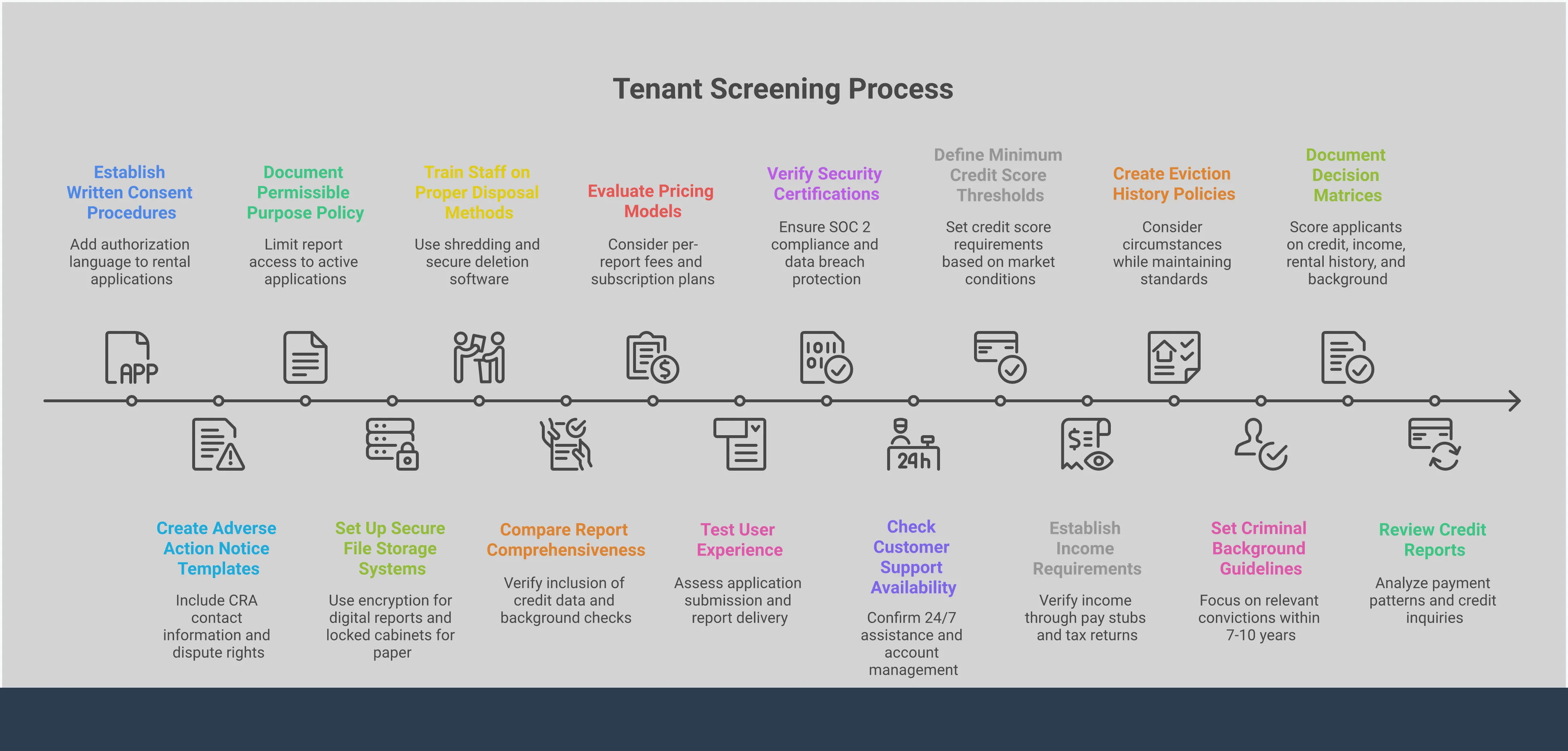
Every landlord’s goal is to find reliable tenants who pay on time and take care of the property. A CRA report gives you the detailed insights you need to do just that. While a good conversation can tell you a lot, an applicant’s rental history is one of the strongest predictors of their future behavior. A comprehensive report from a CRA goes deep, verifying past rental information and checking for eviction records. This helps you spot potential red flags before you hand over the keys. By making decisions based on verified data, you significantly reduce the risk of late payments, property damage, and costly evictions, ultimately protecting your investment.
Let’s be honest: screening tenants manually is a huge time sink. Chasing down references, verifying employment, and pulling records yourself is not only tedious but also leaves room for error. Mistakes in the screening process can lead to expensive headaches down the road. A CRA streamlines this entire workflow for you. Instead of juggling multiple tasks, you get a single, consolidated report with all the information you need. With a service like Portable Tenant, the applicant provides their information once, and you receive a complete, verified report almost instantly. This frees you up to focus on managing your properties and growing your business.
Consistency is key to fair housing compliance. Using a CRA helps you establish objective screening criteria and apply them equally to every single applicant. By relying on the same set of data points—like credit score, income-to-rent ratio, and eviction history—you remove unconscious bias from your decision-making process. This not only helps you comply with fair housing laws but also ensures you’re evaluating every applicant on their own merits. When you have to deny an applicant, you can point to specific, data-backed reasons that align with your pre-set criteria, creating a process that is both effective and equitable. This is a core part of using consumer reports responsibly.
Navigating the legal landscape of tenant screening can feel overwhelming, with regulations like the Fair Credit Reporting Act (FCRA) setting strict rules. A reputable CRA is built with compliance in mind, helping you meet your legal obligations without becoming a legal expert yourself. They ensure you have a "permissible purpose" for accessing an applicant's data and can guide you through necessary steps, like sending an adverse action notice if you deny an application based on the report's findings. Partnering with a compliant CRA gives landlords peace of mind, knowing their screening process is thorough, fair, and, most importantly, legal.
What should I do if an applicant says their screening report is inaccurate? This is a great question, and it’s important to handle it correctly. Your role isn't to investigate the error yourself. Instead, you should direct the applicant to the consumer reporting agency that provided the report. Under the Fair Credit Reporting Act (FCRA), every applicant has the right to dispute incorrect information directly with the CRA. The agency is then legally required to investigate the claim and correct any verified errors.
Who pays for the tenant screening report—me or the applicant? This can work in a couple of ways. Traditionally, landlords either paid for the report themselves or charged the renter an application fee to cover the cost for that one specific property. A more modern and efficient approach involves a portable report, where the applicant pays a single fee for a comprehensive screening package that they can then share with multiple landlords. This saves everyone time and money, as the renter isn't paying separate fees for every place they apply to.
Do I still need to send an adverse action notice if the report was only part of my decision to deny an applicant? Yes, you absolutely do. The legal requirement is triggered if the report influenced your decision in whole or in part. So, even if you also had concerns about their income or references, you must send the notice if the screening report played any role in your choice to deny them, ask for a co-signer, or charge a higher deposit. This ensures transparency and gives the applicant the information they need to check their report for errors.
Can I run a background check on a current tenant if I have concerns? You can't run a report on a tenant just because you feel like checking in on them. You must always have a "permissible purpose," which is a specific, legally valid reason. A rental application is the most common one. Another valid reason would be if the tenant is renewing their lease and you make screening a standard part of your renewal process for all tenants. Running a report mid-lease without a specific, permissible event could violate their rights under the FCRA.
Why can't I just use a simple online background check service instead of a full CRA? Many quick online search services are not compliant with the FCRA for tenant screening purposes, and using them could put you at serious legal risk. A compliant CRA provides a comprehensive consumer report that pulls verified data from primary sources like major credit bureaus and national criminal databases. This ensures the information is more reliable and that you are following the proper legal procedures for obtaining and using that sensitive data to make a leasing decision.