
The apartment hunt can feel like a full-time job, especially the part where you fill out the same personal information over and over again. Each new application means more repetitive data entry and another non-refundable fee. It’s an exhausting and expensive cycle that benefits no one. But the rental process is changing for the better. A universal rental application allows renters to complete one comprehensive form and use it for multiple properties, giving them more control and saving them money. This guide will explain why this modern approach is gaining traction and show you how to create a universal rental application that saves time and stress for everyone.
If you’ve ever been on either side of the rental market, you know the application process can feel like a marathon of paperwork. For renters, it’s filling out the same information over and over. For landlords, it’s sifting through stacks of applications that all look different. A universal rental application cuts through that chaos.
Think of it as a standardized, one-size-fits-all form. It’s a single application that gathers all the essential information a landlord needs, but in a consistent format. For renters, this means you can fill it out once and submit it to multiple properties, saving you a ton of time and money on application fees. For landlords, it means you get the same organized information from every applicant, making it much easier to compare candidates fairly and efficiently.
This approach is becoming more common as states recognize the need to simplify the rental process. The core idea is to create a single, reusable report that is portable by design. Instead of starting from scratch with every new landlord or tenant, both parties can rely on a single, comprehensive document that covers everything from credit history to rental background. A system like this makes the entire experience smoother, more transparent, and less stressful for everyone involved. It’s about working smarter, not harder, to find the perfect tenant or the perfect home.
As a landlord, consistency is your best friend. A universal rental application provides just that. By using a standardized form across all your properties, you ensure you collect the same key details from every potential tenant. This makes it incredibly easy to streamline your screening process, compare applicants side-by-side, and make fair, informed decisions without having to decipher different layouts.
More importantly, a well-structured application is a powerful tool for compliance. It helps you stick to the requirements of fair housing laws and local regulations, protecting you from potential legal issues. When your process is consistent and thorough, you not only find better tenants but also build a more professional and secure rental business.
The apartment hunt is stressful enough without having to fill out a new application for every place you like. A universal rental application simplifies your search in a big way. You complete one detailed application and can then submit it to various landlords, which means less repetitive data entry and fewer headaches. This is especially helpful in competitive markets where you need to act fast.
This system also saves you money. Instead of paying separate application fees for each property, you can often use one portable tenant screening report for multiple listings. It also adds a layer of transparency to the process. You know exactly what information is being requested and can feel confident that you’re providing a complete and accurate profile, giving you a better shot at landing your next home.
A great rental application is the foundation of a solid screening process. It’s your first real opportunity to get to know a potential tenant and gather the essential information you need to make a confident decision. Think of it as a detailed introduction that helps you find a reliable renter who will treat your property with care. For landlords, a thorough application is your best tool for assessing risk and ensuring a good fit. By collecting the right details upfront, you can streamline your entire process and build a positive relationship from day one. A well-designed application sets clear expectations and shows applicants that you’re a professional and organized landlord.
Start with the basics to confirm who your applicant is. You’ll need to collect their full legal name, date of birth, phone number, and email address. It’s also standard practice to ask for their current address and a copy of a government-issued ID, like a driver’s license. This information is fundamental for running background and credit checks. Don’t forget to ask for an emergency contact; it’s a crucial piece of information for safety and liability reasons. Collecting these details helps you verify an applicant's identity and gives you a reliable way to stay in touch throughout the leasing process and tenancy.
Knowing that a tenant can consistently pay rent on time is essential. Your application should have a section for their current employment and income details. Ask for their employer’s name and contact information, their job title, and how long they’ve been there. To verify their income, it’s reasonable to request recent pay stubs or an offer letter for a new job. This step confirms that they have a stable source of income sufficient to cover rent and other living expenses. Using a comprehensive screening report can help you verify this information quickly and securely, protecting both you and the applicant.
An applicant's past rental behavior is often a strong indicator of their future performance as a tenant. Your application should ask for their rental history for at least the past three to five years. Include fields for previous addresses, the dates they lived there, and the name and contact information for their former landlords or property managers. This allows you to follow up and ask about their payment history, how they maintained the property, and whether they followed the lease terms. A consistent rental history without unexplained gaps can be a sign of a stable and responsible tenant.
References provide valuable insight into an applicant’s character and reliability from someone else's perspective. It’s a good idea to ask for at least two references, which can be from previous landlords, employers, or personal contacts who are not family members. These conversations can help you get a more complete picture of the applicant beyond what’s on paper. Reconfirming the emergency contact information here is also a smart move. Having this on hand ensures you know who to call in an unexpected situation, providing an extra layer of security for everyone involved.
Creating a rental application isn't just about gathering information; it's about doing it legally and ethically. A compliant application protects you from potential lawsuits, ensures a fair process for every applicant, and sets the foundation for a positive landlord-tenant relationship. Think of it as your first step in building trust. Staying compliant involves tailoring your forms to local rules, understanding fair housing laws, and getting the right permissions before you screen anyone. Getting these details right from the start saves you major headaches down the road and shows applicants that you’re a professional and trustworthy landlord.
It’s tempting to download a generic rental application and call it a day, but that can be a costly mistake. Landlord-tenant laws can vary dramatically from one state to another, and even between cities. For example, some states put a cap on how much you can charge for an application fee, while others have specific rules about what you can ask regarding criminal history. Using a one-size-fits-all form is not recommended. You need an application that respects the specific landlord-tenant laws in your state. Customizing your application shows you’re a responsible landlord and is your first line of defense in staying compliant.
At the heart of a compliant application process are fair housing laws. The federal Fair Housing Act prohibits discrimination based on race, color, religion, national origin, sex, disability, and familial status. Many states and cities add further protections for things like marital status, age, or sexual orientation. To stay compliant, you must apply your screening criteria equally to every single applicant. This means if you require a certain credit score or income level for one person, you must require it for everyone. A good screening process helps you find reliable tenants while ensuring you treat every applicant fairly and consistently.
Before you run a credit report or background check, you absolutely must get the applicant's permission in writing. This isn't just a courtesy; it's a legal requirement under the Fair Credit Reporting Act (FCRA). Your rental application must include a clear and separate section where the applicant gives you explicit, signed consent to conduct these checks. Without this signed agreement, you could face serious legal trouble. This step is crucial for protecting both you and the applicant. It ensures transparency and confirms that the applicant understands exactly what information you will be reviewing as part of their application.
Let’s be honest, the old way of filling out paper applications for every single apartment is a headache for renters and a paperwork nightmare for landlords. Thankfully, digital tools can transform this process from a chore into a simple, streamlined experience. The right platform not only saves time and reduces clutter but also helps you stay organized and compliant. By moving your application online, you can collect information faster, screen tenants more efficiently, and provide a better experience for everyone involved. It’s all about finding a system that works for you and your future tenants, making the entire rental journey smoother from the start.
Think of a portable screening report as a renter’s all-access pass. Instead of filling out a new application and paying a fee for every property, a renter can use one comprehensive report for multiple listings. Our Portable Tenant Screening Report (PTSR) empowers renters by giving them control over their own data, which they can share securely with any landlord. For landlords, this means you receive a complete, pre-verified application package instantly. You get all the information you need, from credit history to income verification, without the usual back-and-forth. It’s a faster, more efficient way to fill your vacancies with qualified tenants.
When you’re choosing a digital tool, consistency is your best friend. Using a standardized online application for every prospective tenant is one of the most effective ways to ensure a fair screening process and protect yourself from potential discrimination claims. The right platform helps you ask the same core questions of every applicant, creating a consistent baseline for your evaluations. Look for tools designed specifically for landlords and property managers, as they will have built-in features that support fair housing compliance. This not only simplifies your workflow but also demonstrates your commitment to an equitable and transparent process.
A great digital application tool should feel like a comprehensive checklist, gathering all the essential details in one place. Make sure your chosen platform collects key information, including the applicant's contact details, employment and income history, and previous rental addresses. It should also include sections for pet information and questions about prior evictions or bankruptcies. Most importantly, the tool must have a clear section where the applicant provides consent for background and credit checks. A secure, all-in-one system like Portable Tenant ensures you get a complete picture of each applicant while handling their sensitive data responsibly and in compliance with the law.
Building a solid rental application is the first step toward finding a great tenant. Think of it as your roadmap for the screening process. A clear, comprehensive form not only helps you gather all the necessary information in one go but also sets a professional tone for your future landlord-tenant relationship. When you have a consistent application for every prospect, you create a fair and organized system that protects both you and your applicants. Let’s walk through how to build an application that is thorough, compliant, and easy for everyone to use.
First things first, let's outline the basic framework of your application. The goal is to create a document that is logical and simple to follow. A rental application form is your tool for gathering key details about a potential tenant before you sign a lease agreement. Start with a clear header that includes the property address and your contact information. Then, organize the form into distinct sections. This structure makes it easier for applicants to provide complete information and for you to review it efficiently. A well-organized form is the foundation of a smooth rental process.
Now it's time to fill in the details. Being thorough here is your best defense against future problems, since evicting a tenant can be a difficult and expensive process. Make sure your form asks for all the essential information you need to make an informed decision.
Your application should include sections for:
This final step is crucial for staying compliant and protecting yourself legally. Before you finalize your application, you must include the necessary legal language. This includes a section where the applicant gives you explicit, written permission to run background and credit checks. You cannot run these checks without their consent. Also, be sure to add a statement certifying that all the information they’ve provided is true and accurate. Always check your local and state laws, as requirements for application fees and disclosures can vary. Following the Fair Housing Act is non-negotiable, so ensure your application doesn't ask discriminatory questions.
Think of your rental application as the first handshake with a potential tenant. A confusing, clunky, or secretive process can turn away great applicants before you even get to see their qualifications. Creating a tenant-friendly application isn't just about being nice; it's a smart business move. It shows that you’re a professional, organized, and respectful landlord, which is exactly the kind of person a responsible tenant wants to rent from.
A positive application experience sets a collaborative tone for the entire landlord-tenant relationship. When the process is straightforward and transparent, it builds trust from day one. Applicants are more likely to complete the application accurately and promptly, which saves you time and reduces the administrative headache of chasing down missing information. By focusing on clarity, accessibility, and honesty, you attract a higher caliber of applicants and streamline your own workflow. A better application process leads to better tenants and a smoother rental cycle for everyone involved.
Your goal is to make the application as easy to complete as possible. Avoid legal jargon and use plain, simple language. Break the application into logical sections with clear headings like "Personal Information," "Rental History," and "Employment Details." Use bullet points for lists of required documents so applicants can use it as a checklist. If you have specific requirements beyond the standard information, state them clearly upfront to prevent any confusion. A well-organized form reduces errors and the need for follow-up, making the screening process more efficient for you and less stressful for the applicant.
Most renters search for apartments and fill out applications on their phones. If your application requires them to pinch, zoom, and scroll endlessly on a small screen, many will simply give up. A mobile-friendly design is non-negotiable. The form should automatically adjust to fit any screen size, with large, easy-to-tap buttons and readable text. Offering a seamless digital solution shows that you are modern and considerate of your applicants' time. This small technical detail can make a huge difference in the number and quality of applications you receive.
No one likes surprise fees. Be upfront and crystal clear about any costs associated with the application. State the exact amount of the application fee, what it covers (like the credit and background check), and how the applicant can pay it. This information should be prominently displayed on the application itself or on the listing where they found it. Transparency about fees builds immediate trust. It shows you are an honest landlord, and it helps renters make an informed decision. Using a service with a one-time, portable fee can be a major draw for applicants, as it saves them money in their search.
A strong rental application does more than just collect information; it sets the tone for the entire landlord-tenant relationship. When done right, it’s a clear, fair, and efficient tool that helps you find the best possible tenant for your property. However, common missteps can turn the process into a frustrating ordeal filled with legal risks, information gaps, and wasted time. For renters, a poorly designed application can be a barrier to securing a new home, while for landlords, it can lead to unqualified tenants or even discrimination claims.
The goal is to create a process that is both thorough and straightforward. By anticipating potential issues and building your application to prevent them, you create a smoother experience for everyone involved. This means ensuring your questions are legally compliant, your screening is consistent, and your workflow is efficient. Using a standardized system like a portable tenant screening report can help you sidestep many of these pitfalls from the very beginning, as it provides comprehensive, verified information in a compliant format. Let’s look at the most common mistakes and how you can steer clear of them.
One of the most significant mistakes is using an application that isn’t compliant with housing laws. Beyond the federal Fair Housing Act, which prohibits discrimination, every state and sometimes even city has its own specific landlord-tenant ordinances. Asking the wrong questions, even unintentionally, can lead to serious legal trouble. For example, you should never ask about a person’s race, religion, familial status, or disability. A well-designed application sticks to the essentials: identity, income, credit, and rental history. Using a compliant, standardized application is your best defense against accidental discrimination and ensures you’re treating every applicant fairly and legally.
An incomplete or unverified application is almost as risky as a non-compliant one. A common error is failing to thoroughly check the references an applicant provides. It’s not enough to just confirm a name and number; you should ask specific questions about their tenancy or employment. Another red flag is an application with inconsistent details, like mismatched employment dates or conflicting personal information. These gaps can make an application seem untrustworthy and weaken your screening process. A comprehensive report that verifies income and rental history for you closes these gaps, giving you a reliable picture of the applicant without the extra legwork.
Clunky, outdated processes can cause top applicants to walk away and create unnecessary work for you. Relying on paper applications or PDF forms that aren’t mobile-friendly makes the process difficult for modern renters. This often leads to incomplete submissions and a frustrating back-and-forth to get the information you need. To prevent this, make your application as simple and accessible as possible. Use a digital tool that allows renters to apply from any device. Be transparent about your requirements and any associated fees upfront to avoid surprises. A streamlined, user-friendly process shows that you’re a professional and considerate landlord, which helps attract the best tenants.
Once you have a stack of applications, the real work begins. Screening tenants is more than just picking the first person who applies; it’s about finding a reliable renter who will treat your property with care. A thorough, fair, and consistent screening process is your best defense against future headaches like late payments or property damage. It also ensures you’re treating every applicant with respect and staying on the right side of the law.
Think of it as a matching process. You’re looking for someone whose history and financial standing align with the requirements of your property. By taking the time to do this right, you protect your investment and set the foundation for a positive landlord-tenant relationship. Let’s walk through the key steps to screen applicants effectively, so you can move forward with confidence.
Your application form collects the data, but it’s your job to confirm it’s accurate. A common mistake is not thoroughly checking the references provided by applicants. Some landlords might make a quick call and hang up, or worse, not call at all. Take the time to have real conversations with previous landlords and employers. Ask about payment history, property care, and their overall experience with the applicant.
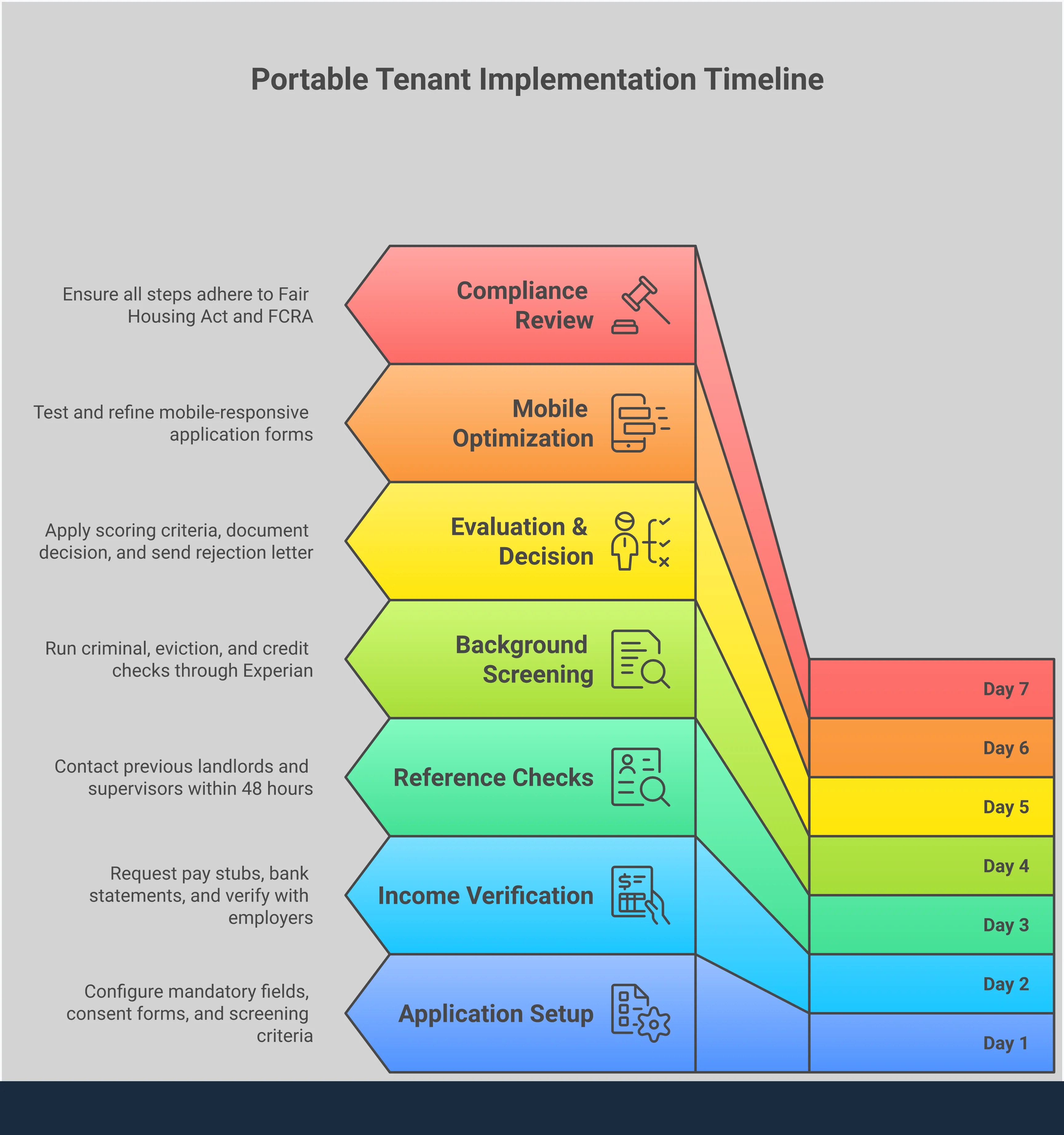
Beyond references, a comprehensive background check is essential. This should include a credit report, a nationwide criminal history check, and an eviction search. These reports give you a complete picture of an applicant's financial responsibility and rental background. Using a portable tenant screening report simplifies this step, as it provides a verified, all-in-one summary powered by a trusted source like Experian.
Before you even list your property, you should decide on your income requirements. A widely accepted rule of thumb is that an applicant's gross monthly income should be at least three times the monthly rent. This standard helps ensure that your tenant can comfortably afford the rent without financial strain, which reduces the risk of missed payments.
It's better to ask for proof of income upfront, as evicting a tenant for non-payment can be a long and expensive process. Request recent pay stubs, bank statements, or an offer letter to verify their stated income. Whatever your standard is, document it and apply it to every single applicant. This consistency is key to a fair screening process and helps you make objective, business-based decisions.
To protect yourself from discrimination claims, you must treat every applicant the same. The best way to do this is to create a written set of rental criteria and apply it uniformly. As Zillow Rental Manager notes, you should "always use the same process to gather and review information from all potential tenants." This means you score everyone on the same factors, such as credit score, income, and rental history.
Your criteria should be directly related to an applicant's ability to pay rent and care for the property. Using a standardized application and a consistent review process helps you make an informed choice based on qualifications, not personal biases. This not only keeps you compliant with Fair Housing laws but also builds your reputation as a fair and professional landlord.
What's the real difference between a universal application and a portable screening report? Think of a universal application as the general idea of a standardized form. A portable tenant screening report is that idea put into action. It’s a complete package that includes not just your application details but also the verified credit report, background check, and income information. So instead of just a form, it’s a comprehensive, shareable profile that has already done the screening work for the landlord.
As a landlord, why should I accept a report from a tenant instead of using my own application process? Accepting a portable report saves you a significant amount of time and administrative work. You receive a complete, pre-verified application package instantly, allowing you to make faster decisions and fill vacancies sooner. Because the reports are standardized and comprehensive, you can consistently evaluate every applicant with high-quality, verified information without having to run the checks yourself.
For renters, does using one report for multiple applications actually save money? Yes, it absolutely does. In a typical apartment search, you might pay a separate application fee, often between $30 and $75, for every single property you apply to. Those fees add up fast. With a portable report, you pay one fee for a report that you can reuse for multiple listings, which can save you hundreds of dollars and simplify your budget while you search for a new home.
How can I be sure the information in a portable report is accurate and up-to-date? This is a crucial point. Reputable services partner with trusted credit bureaus, like Experian, to generate the reports. The information for the credit, criminal, and eviction checks is pulled in real-time when the renter finalizes their report. This ensures you are getting a current and verified snapshot of the applicant’s history directly from the source, which is often more reliable than collecting documents yourself.
What happens if a landlord requires extra information not included in the standard report? A portable report is designed to cover the vast majority of what landlords need to know. However, if a landlord has a unique question or needs an additional document, you can simply provide that information to them directly. The portable report handles all the heavy lifting of the screening process, so any extra requests are usually small and easy to manage.