
Finding a new apartment after an eviction can feel like an uphill battle. Landlords see that mark on your record and often hesitate, leaving you feeling stuck. But it doesn't have to be a permanent roadblock. The key is to be prepared, transparent, and proactive in your search. By understanding exactly how an eviction on credit report California works—and what landlords actually see—you can build a strong application that tells your whole story. This guide will walk you through the concrete steps you can take to show landlords you’re a reliable tenant and get back on your feet.
Facing an eviction is incredibly stressful, and the worry about its long-term impact can feel just as heavy. One of the biggest questions renters have is how long this will follow them. In California, an eviction can affect your rental history for several years, but it's crucial to understand exactly what shows up on your record and where. The details matter, as they influence everything from future housing applications to your credit health. Knowing the difference between a public record and a credit report entry—and how long each one lasts—is the first step toward moving forward.
First, let's clear up a common misconception. The eviction itself—the legal case known in California as an "unlawful detainer"—doesn't show up directly on your main credit reports from Experian, Equifax, or TransUnion. Instead, it becomes a public court record that tenant screening companies can find. What can seriously damage your credit score is the financial fallout. If the court rules that you owe unpaid rent and your former landlord sends that debt to a collections agency, that collection account will appear on your credit report. This is what future landlords and lenders see, and it’s treated just like any other unpaid debt.
So, how long does this stick around? Both the public court record of the eviction and any related collection accounts on your credit report will typically remain for seven years. This seven-year clock starts from the date of the initial delinquency. During this time, finding a new rental, getting approved for a loan, or even passing certain job background checks can be more difficult. This isn't just a policy; it's based on federal credit reporting laws that dictate how long most negative information can be reported. After seven years, this information must be removed, giving you a fresh start.
Let’s clear up a common and stressful point of confusion: An eviction itself is not a line item on your credit report. The major credit bureaus—Experian, Equifax, and TransUnion—don’t track eviction filings directly. So, if you pull your credit report, you won’t see a section labeled "Evictions." However, this is only half the story. While the court filing itself stays off your credit history, the financial consequences that often come with an eviction can absolutely show up and have a serious impact on your credit score.
The eviction process creates a public court record, which is separate from your credit file. Landlords don't just look at your credit score; they use comprehensive tenant screening services that pull your credit history, criminal background, and public records for any past eviction filings. This is why a landlord can know about an eviction even when it doesn't appear on your Experian report. The real damage to your credit score comes from any unpaid rent or fees associated with the eviction, which can follow you for years. Understanding this distinction is the first step to managing the financial fallout and moving forward.
Your credit report is a detailed record of your borrowing and repayment history. It lists things like credit card accounts, loans, and your payment history for those debts. An eviction, which is a civil court action, doesn't fit into these categories. Instead, what a landlord will see on a comprehensive screening report is the eviction filing itself, pulled from court records. In California, this is often called an "unlawful detainer" case.
The problem is that the reason for the eviction—usually unpaid rent—can lead to a collection account. If your former landlord gets a court judgment against you for the money you owe and you don't pay it, they can sell that debt to a collection agency. That’s when the eviction starts to affect your credit.
Once a debt for unpaid rent is sent to a collections agency, it gets reported to the credit bureaus and appears as a collection account on your credit report. A collection account is a major negative item that can cause a significant drop in your credit score, making it much harder to get approved for new credit cards, loans, or even another apartment.
This negative mark isn't temporary. A collection account for unpaid rent will typically stay on your credit report for seven years from the date the debt first became delinquent. Even if you eventually pay off the collection, the record of it having been in collections can remain for the full seven years. While some newer credit scoring models weigh paid collections less heavily, many landlords and lenders still view any collection account as a serious red flag.
An eviction is more than just the immediate stress of finding a new place to live. It creates a long-lasting financial footprint that can affect your life for years to come. Because an eviction is a formal legal process, it generates a public court record. This record doesn't just disappear once you've moved out; it follows you, making it harder to get back on your feet.
The consequences can ripple through many areas of your financial life, from securing a new apartment to applying for a car loan or even passing a background check for a new job. Understanding these potential effects is the first step toward managing them and rebuilding your financial stability. It’s a tough situation, but knowing what you’re up against can help you make a clear plan for moving forward.
The most immediate challenge after an eviction is finding a new home. An eviction judgment becomes a public record that can stay on your file for up to seven years. When you apply for a new rental, landlords and property managers almost always run a background check, and this eviction will likely show up. For many landlords, a past eviction is a major red flag, making them hesitant to approve your application, regardless of your current circumstances. This can trap you in a difficult cycle, limiting your housing options to landlords who may not run checks or who charge significantly higher security deposits.
The financial impact of an eviction often extends to your credit. While the eviction itself doesn't appear on your credit report, any related unpaid debt does. If you owed your former landlord rent or fees, they can sell that debt to a collections agency. Once a collection account is opened, it gets reported to the credit bureaus and can seriously lower your credit score. This negative mark can also remain on your credit report for seven years, making it much harder to get approved for credit cards, car loans, or even a mortgage down the line.
You might be surprised to learn that an eviction can even affect your job prospects. Because evictions are public court records, they can be accessed by more than just landlords. Many employers use comprehensive background check services that pull from a wide range of public databases, including civil court records. If a potential employer sees an eviction on your record, they might view it as a sign of financial instability or unreliability. While it may not be the deciding factor, it can be a hurdle you have to overcome when you’re trying to secure a new job.
Seeing an eviction on your record can feel like a permanent roadblock, but it doesn’t have to be. In California, you have options for clearing your rental history and getting a fresh start. The process involves a legal action called expungement, which essentially seals the eviction case from public view. While it requires some specific steps and paperwork, successfully removing an eviction can make a world of difference when you’re searching for your next home. Think of it as an opportunity to present your best self to future landlords without an old issue holding you back. Let’s walk through what the process looks like and how you can get started.
Expungement is a legal way to have an eviction case removed from public records. Once a judge grants the expungement, the court file is sealed, and for all practical purposes, it’s as if the eviction never happened. This means it won’t appear on most background checks that landlords run, giving you a much better chance at being approved for a rental. An eviction judgment can otherwise follow you for up to seven years, making it difficult to find housing and sometimes even impacting your credit. Getting it removed helps you move forward without that history affecting your future applications.
Your first step is to determine if you’re eligible to have your record sealed. Generally, you can file a petition with the court if your situation fits one of these descriptions:
If you believe you qualify, you’ll need to file a petition with the same court that handled your original eviction case, formally requesting that the record be sealed.
Once you file your petition, you’ll need to prepare your case. Start by gathering all the documents related to your eviction, including the original notice from your landlord, any court filings, and proof that you’ve paid any related debts. You may need to attend a court hearing where a judge will listen to your reasons for requesting the expungement. Your former landlord may also be there to share their side. If the judge rules in your favor, they will issue an order to seal the record. This order ensures the eviction is hidden from public view and won’t show up on future credit reports or tenant screening checks.
Receiving an eviction notice can feel overwhelming, but it’s important to know that this is the start of a legal process, not the final word. You have rights and options. Taking calm, informed steps right away can make a significant difference in the outcome.
First, take a deep breath. You don't have to move out right away just because you got an eviction notice. This document is a legal warning, and you have a specific amount of time to respond. Your primary task is to understand what the notice is asking for and what your rights are. For example, a "3-Day Notice to Pay Rent or Quit" gives you three days to pay the rent you owe. If you're confused about the notice or what to do, it's time to get legal help or housing assistance. Understanding the specific laws that protect California tenants is your strongest first move.
Ignoring an eviction notice is the one thing you should never do. If you want to stay and can fix the problem, do what the notice asks before the deadline. This might mean paying back rent or correcting a lease violation. If you don't take action, your landlord can start a court case against you after the deadline passes. Responding promptly shows that you are taking the situation seriously. Even if you can't meet the demands, communicating with your landlord or seeking legal advice within the notice period is crucial. This proactive approach keeps your options open and prevents the situation from escalating automatically.
You don’t have to go through this alone. Before things end up in court, try talking to your landlord or a mediator, who is a neutral third party trained to help people reach an agreement. This can often help you work out a deal and avoid a formal court case. However, because eviction laws can be complex, it's very important to contact a tenant attorney for help. A lawyer can explain your rights, help you respond to the notice correctly, and represent you if your case goes to court. Many organizations offer free or low-cost legal aid for tenants who qualify.
Finding a new place to live with an eviction on your record can feel daunting, but it’s far from impossible. The key is to be prepared, transparent, and proactive. Landlords are primarily looking for responsible tenants who will pay rent on time and take care of the property. An eviction is a red flag for them, but you can take concrete steps to show that your past circumstances don’t define your future as a tenant.
Think of your rental application as a complete package that tells your story. While the eviction is part of that story, you can add other elements that demonstrate your reliability and financial stability. By gathering strong references, providing clear proof of income, and being upfront about your history, you can build a case for yourself. A comprehensive screening report can help you present all of this information in a clear, organized way, giving a potential landlord a full and accurate picture of who you are as an applicant today.
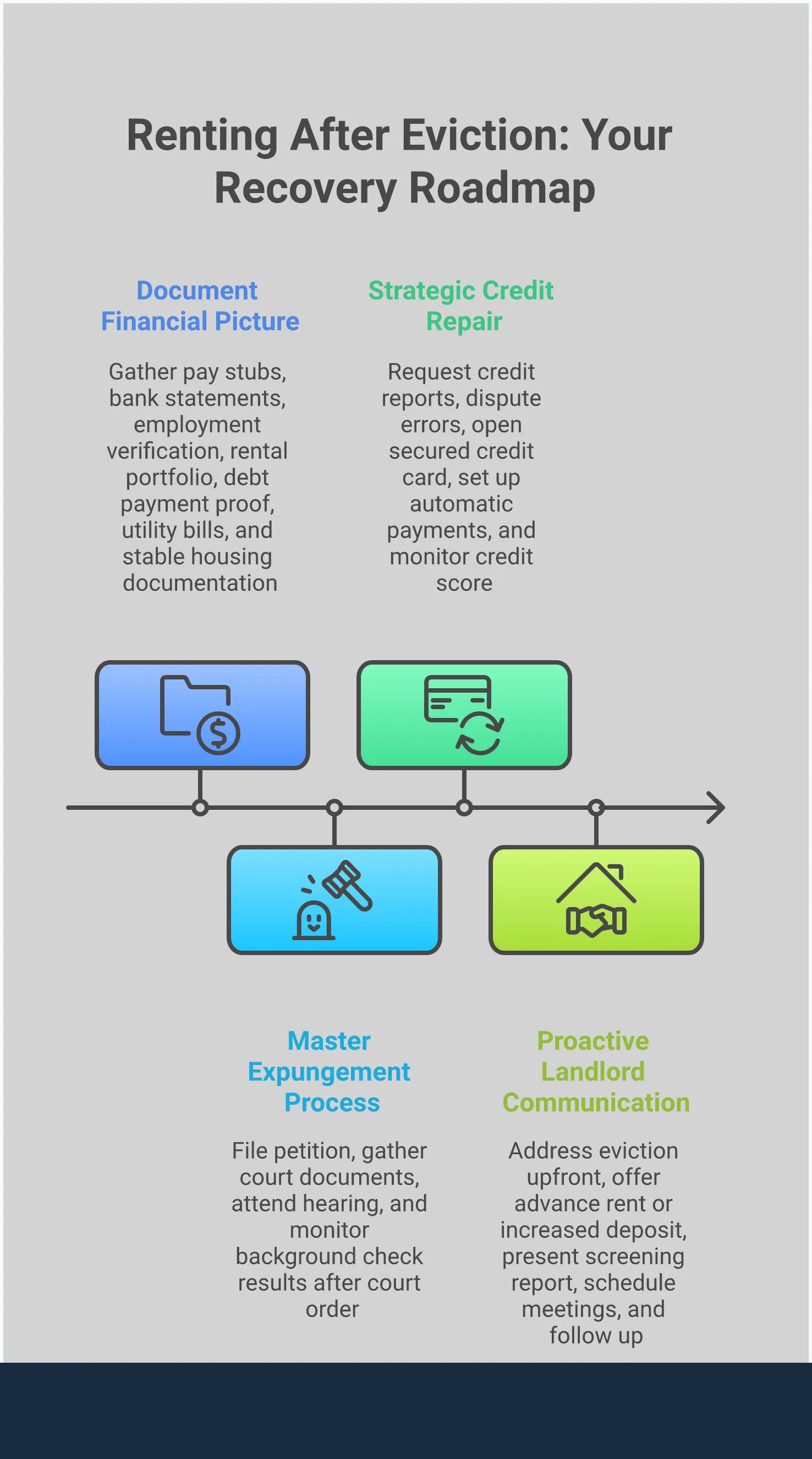
It might be tempting to hope a landlord won’t see the eviction, but with background checks, they almost certainly will. The best approach is to address it head-on. Bring it up yourself before they run your application. This honesty shows maturity and allows you to control the narrative. Briefly explain the circumstances that led to the eviction and, more importantly, what has changed since then. Did you find a more stable job? Did you resolve a financial hardship? Framing it as a past issue that you’ve learned and grown from can help a landlord see you as a responsible person who ran into a temporary problem, not a permanently risky tenant.
Your word is important, but backing it up with proof is even better. Come to every apartment viewing prepared with a folder of documents that build your case as a great tenant. Gather reference letters from current or former employers, colleagues, or even previous landlords (if you left on good terms prior to the eviction). These letters should speak to your reliability and character. Just as crucial is providing solid proof of income. Have recent pay stubs, bank statements, or an offer letter ready to show that you can comfortably afford the rent. This documentation demonstrates that you are organized and financially stable, which can significantly reassure a potential landlord.
If you have the financial means, offering to pay a larger security deposit can be a powerful gesture. This shows a landlord that you are serious about the property and confident in your ability to meet your rental obligations. For the landlord, a larger deposit provides an extra layer of financial security, mitigating the perceived risk of renting to someone with an eviction history. Before making this offer, be sure you understand the local laws regarding security deposit limits. If the landlord agrees, ensure the exact amount and the terms for its return are clearly documented in your lease agreement. It’s a tangible way to show you’re invested in being a trustworthy tenant.
There’s a lot of confusing and stressful information out there about what an eviction means for your financial future. When you’re trying to figure out your next steps, the last thing you need is misinformation. Let’s clear the air by tackling some of the most common myths about evictions and credit reports so you can move forward with a clear understanding of the situation. Knowing the facts is the first step toward getting back on your feet and protecting your financial health.
The thought of an eviction permanently destroying your credit is terrifying, but it’s simply not the reality. An eviction judgment can hurt your credit and stay on your public record for seven years, which absolutely creates challenges. During this period, you might find it harder to get approved for new apartments, loans, or even some jobs that run background checks.
However, seven years is not forever. You can take steps to rebuild your credit long before that time is up. The key is to understand that while the impact is serious, it has an expiration date. Your financial habits moving forward are what will make the biggest difference in your recovery.
It’s a common misconception that once you’ve moved out, you’re off the hook for any rent you owe. Unfortunately, that’s not how it works. Your former landlord has the legal right to pursue the debt. Even after you've left the property, a landlord can still sue you for any money you owe.
If they take you to court and win, they’ll receive a money judgment against you. With that judgment, they can take further action to collect the debt, such as garnishing your wages or levying your bank account. The financial obligation doesn't just disappear when you hand over the keys.
If only the impact of an eviction were limited to just finding a new place to live. The reality is that the financial fallout can affect many other areas of your life. While the word “eviction” itself won’t appear as a line item on your credit report, the unpaid rent that caused it certainly can.
If your landlord sends your past-due balance to a collection agency, that collection account will show up on your credit report and lower your score. The financial problems that lead to an eviction are what ultimately damage your credit. This can make it harder to get a car loan, a credit card, or even pass a background check for a new job.
Facing an eviction is tough, and the impact on your credit can feel like a major setback. But it’s important to remember that your credit score isn’t set in stone. You have the power to rebuild it, and the process starts with a few strategic steps. Think of this as a fresh start—a chance to create new financial habits that will serve you well for years to come. It won’t happen overnight, but with consistency and the right approach, you can get your credit back on track and move forward with confidence. The key is to focus on what you can control, starting today. By taking small, deliberate actions, you can demonstrate financial responsibility to future landlords and lenders.
Your first move should be to get a clear picture of what’s on your credit report. Sometimes, eviction-related debts or public records contain mistakes or outdated information that can unfairly drag down your score. You are entitled to a free credit report from each of the three major bureaus—Equifax, Experian, and TransUnion—every year. You can request your reports and review them carefully. If you spot an error, like a collection account you already paid off or an eviction record that should have been removed, you have the right to dispute it directly with the credit bureau. Correcting these inaccuracies can give your score an immediate lift.
The single most important factor in your credit score is your payment history. After an eviction, the best way to rebuild is to create a new track record of consistent, on-time payments. Start by ensuring all your current bills—utilities, car loans, and any credit card balances—are paid on time, every time. Setting up automatic payments can be a huge help. If you don’t have much credit history outside of the eviction, consider opening a secured credit card. This type of card requires a small cash deposit as collateral, which makes it easier to get approved. Use it for small purchases and pay the balance in full each month to build a positive history.
If you’re feeling overwhelmed and unsure where to start, you don’t have to go it alone. A non-profit credit counseling agency can be an incredible resource. These organizations offer free or low-cost services to help you create a realistic budget, develop a debt repayment plan, and learn effective financial management skills. A certified credit counselor can review your finances with you and provide personalized, actionable advice for improving your credit. The National Foundation for Credit Counseling (NFCC) is a great place to find a reputable agency near you. Getting expert guidance can provide the structure and support you need to confidently rebuild your financial standing.
Facing an eviction can feel isolating, but you don’t have to handle it alone. California has a network of resources designed to support tenants through this challenging process. From legal advice to financial aid, help is available to protect your rights and find a stable path forward. Knowing where to turn is the first step toward taking control of the situation. Whether you need someone to review your eviction notice or help you catch up on rent, these organizations can provide the guidance and assistance you need.
If you’ve received an eviction notice, one of the most critical steps you can take is to seek legal advice. The language in these documents can be confusing, and the deadlines are strict. According to the California Courts, "If you're confused about the notice or what to do: Get legal help or housing assistance." Non-profit legal aid societies and local tenant rights groups offer free or low-cost services to help you understand your options. It's incredibly important to contact a tenant attorney for help, as they can review your case, identify any illegal actions by the landlord, and represent you in court if necessary.
Financial hardship is one of the most common reasons for eviction. If you're having trouble paying rent, don't wait for the situation to escalate. Start looking for rental assistance programs in your area right away. These programs, often run by state or local governments and non-profits, can provide funds to cover back rent and prevent an eviction from moving forward. It’s also a good idea to talk to your landlord as soon as you know you’ll have trouble paying. Open communication can sometimes lead to a payment plan or another solution that works for both of you, helping you stay in your home while you get back on your feet.
California’s court system provides free resources to help people who can't afford an attorney. Every superior court has a Self-Help Center where you can get information and assistance with your eviction case. The staff can help you understand the legal process, fill out forms, and prepare for court hearings. This is a great place to turn if you’re not sure if the notice you received is legal or if you simply have questions about what to do next. They provide free legal help to ensure you understand your rights and can confidently present your case.
Facing the rental market with an eviction on your record can feel discouraging, but it doesn’t have to be a dead end. Instead of letting a past mistake define your search, you can take control of your story. This is where a portable tenant screening report becomes a powerful tool. It allows you to present a complete, verified picture of yourself as a renter, giving landlords the context they need to look beyond a single public record and see you as a whole person. It’s about shifting the dynamic from defense to offense.
Rather than waiting for a landlord to run their own background check and discover the eviction, you can present your information upfront. This proactive approach shows you’re organized, transparent, and serious about finding a new home. A service like Portable Tenant puts you in the driver's seat, bundling your credit history, income verification, and rental application into one secure, shareable package that you control. You pay for the report once and can reuse it for multiple applications, saving you time and money. By owning the screening process, you can frame your application in the best possible light and demonstrate that you’re ready to move forward responsibly.
Honesty is the best policy, especially since an eviction is a public record that any potential landlord can find. A portable screening report helps you address it head-on. By providing a comprehensive report yourself, you’re not trying to hide anything. Instead, you’re showing that you’re accountable and transparent. This single action can build a surprising amount of trust. Your report will include positive information that tells the rest of your story—like a steady income, a history of on-time payments for other bills, and a clean criminal record. This context helps a landlord see the eviction as a past event, not a current risk.
After an eviction, a landlord’s main concern is your financial stability. A portable tenant screening report is your opportunity to prove you’re a reliable applicant now. The report includes verified income and a full credit history, which can highlight your current financial health. When a landlord sees consistent pay stubs and a record of on-time payments for your car, credit cards, and other loans, it demonstrates that you are financially responsible. This verified information provides the proof they need to feel confident in your ability to pay rent. It also strengthens your position if you decide to offer a larger security deposit or a few months' rent in advance.
Will an eviction show up on my main credit report? This is a common point of confusion, so let’s clear it up. The eviction case itself, which is a public court record, does not appear as a line item on your credit reports from Experian, Equifax, or TransUnion. However, the financial fallout from it absolutely can. If the court rules you owe your former landlord money for unpaid rent and that debt is sent to a collection agency, that collection account will be reported to the credit bureaus and can significantly lower your credit score.
Is an eviction on my record forever? No, it is not a permanent mark against you. In California, both the public court record of the eviction and any related collection accounts on your credit report will typically remain for seven years. After that seven-year period, they are legally required to be removed. While it can certainly create challenges during that time, it’s important to know that there is a definite end date, giving you a chance to move forward with a clean slate.
What's the single most important thing to do if I get an eviction notice? The most critical thing you can do is to act immediately. Do not ignore the notice, hoping it will go away. Read it carefully to understand why it was issued and what the deadline is. Your very next step should be to seek help. Contact a local tenant rights group or a legal aid organization. They can help you understand your rights, verify if the notice is legal, and guide you on how to respond properly, which can make all the difference in the outcome.
Can I ever get an eviction removed from my record? Yes, in many cases you can. California law allows you to petition the court to have an eviction record expunged, which means it is sealed from public view. If a judge grants your request, the eviction will no longer show up on the background checks that most landlords use. You are generally eligible to file for an expungement if you won your case, the case was dismissed, or if you have since paid off any money you owed the landlord.
How can I convince a landlord to rent to me if I have an eviction? The key is to be prepared and transparent. Landlords will almost certainly see the eviction during a background check, so it’s best to address it yourself. When you apply, provide a brief, honest explanation of the circumstances and focus on what has changed for the better since then. You can build a stronger case by providing excellent references, solid proof of your current income, and even offering a larger security deposit if you’re able. Presenting a complete and organized application shows that you are a serious and responsible candidate today.