
The traditional rental application process can feel broken. Renters often spend hundreds on separate application fees, and landlords get buried in paperwork. The system is inefficient and expensive for everyone involved. A portable tenant screening report, powered by trusted Experian data, offers a smarter way forward. It allows renters to purchase one detailed report and share it securely with multiple landlords. This streamlines everything, but it also brings up a key question for both sides: how much does an Experian tenant check cost when it’s part of a reusable system? We’ll break down the pricing, explain who pays, and show how this modern approach saves everyone time and money.
Think of an Experian tenant check as a comprehensive background report that helps landlords and property managers get a clear picture of a potential renter. It’s a tool used to verify that an applicant is reliable, responsible, and a good fit for their property. Experian, one of the major credit bureaus, gathers information from your credit history, rental history, and public records to create a detailed report and a screening score. This isn't about judging you; it's about building trust between you and your future landlord.
For landlords, this report is a crucial part of the decision-making process. It helps them assess risk and choose tenants who are likely to pay rent on time and take care of the property. For renters, it’s a chance to showcase your financial responsibility. At Portable Tenant, we use Experian’s powerful and trusted data to generate our screening reports, ensuring the information is accurate, secure, and fair for everyone involved. It streamlines the application process by giving landlords the insights they need in one simple, easy-to-read format.
An Experian screening report is more than just a credit score. It’s a multi-faceted look at your financial and rental background. The report typically includes a detailed credit check, which shows your payment history, current debts, and any major financial events like bankruptcies. It also pulls national criminal records and checks sex offender registries to ensure community safety.
Beyond that, the report dives into your housing court history, looking for past evictions or lease violations. This gives landlords a sense of your track record as a tenant. Finally, it verifies your identity to prevent fraud. By combining these elements, the report provides a holistic view that helps landlords make confident, well-informed decisions about who they rent to.
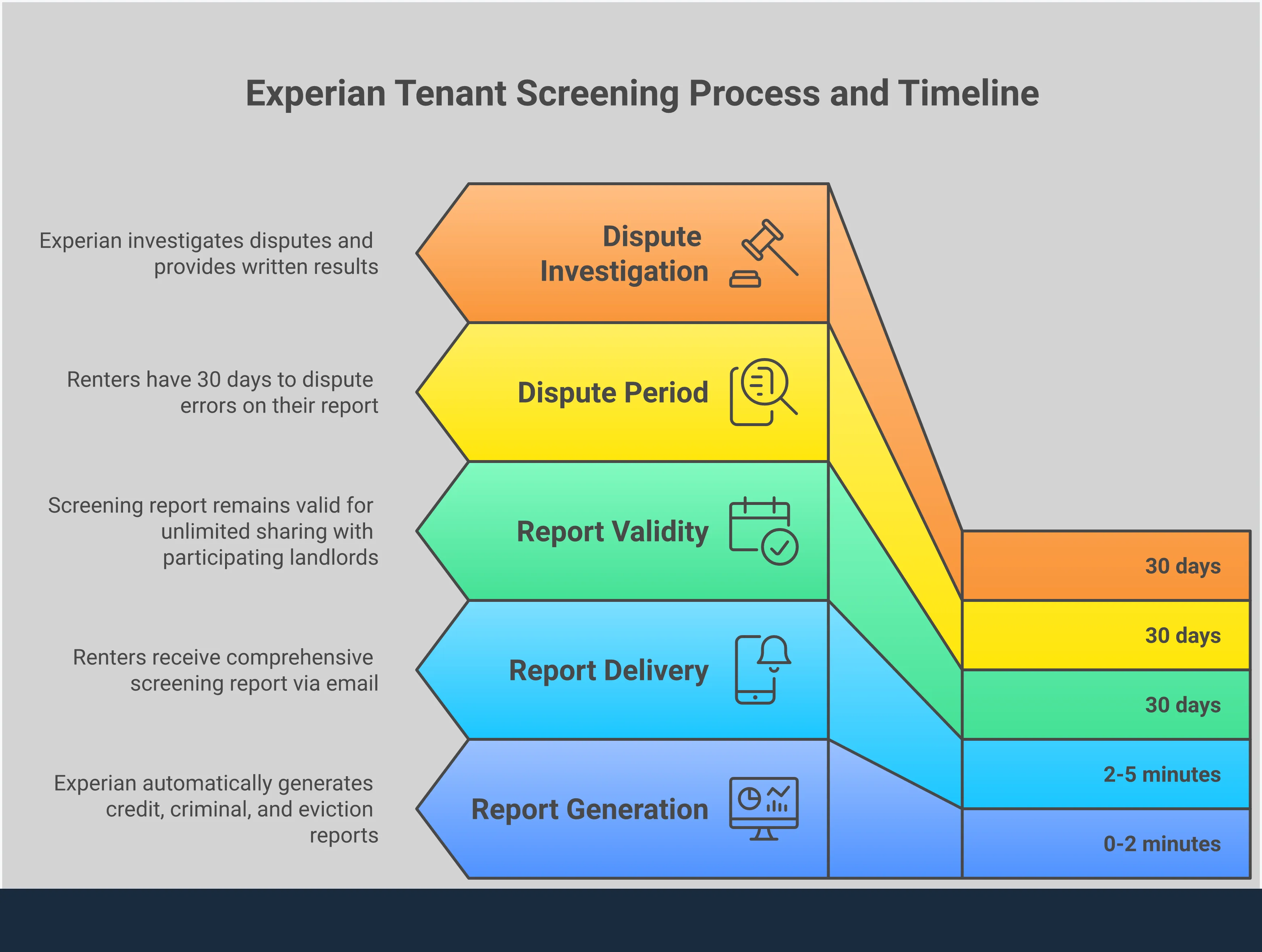
The screening process is designed to be quick and straightforward. It all starts when a renter fills out one secure online application. You’ll provide basic contact information, details about where you’ve lived before, and proof of income. This single application is all you need to generate the report. Once submitted, the system gets to work, and in most cases, the complete screening report is ready in just a few minutes.
Occasionally, a background check might require a closer look, which could take one to two business days, but this is less common. The beauty of a service like Portable Tenant is that you only have to go through this process once. You receive a reusable report that you can share with multiple landlords, saving you time and the hassle of filling out new applications for every apartment you like.
When you’re getting ready to rent out a property or apply for a new home, the cost of a background check is one of the first questions that comes to mind. An Experian tenant check provides a detailed look at an applicant's financial and rental history, but the price isn't always one-size-fits-all. The final cost often depends on who is ordering the report and the level of detail included. For landlords, many screening services offer reports at no direct cost, while renters typically pay a one-time fee for a report they can reuse. Understanding these costs upfront helps everyone budget accordingly and avoid surprises. Let’s break down what you can expect to pay.
If you’re an individual landlord or a small property manager, you can often get a comprehensive tenant screening report for free. Services powered by Experian are frequently designed this way to make it simple for property owners to perform their due diligence. Instead of charging you, the service provider typically has the applicant pay for the report directly. This model removes the financial barrier for landlords, allowing you to get the crucial information you need to make an informed decision without adding to your operational costs. It’s a streamlined approach that benefits everyone.
As a renter, you can generally expect to pay a single fee for your screening report, usually around $35. The best part is that this report is often portable. That means you can pay once and use the same comprehensive report to apply for multiple properties within a certain timeframe, typically 30 days. This saves you from paying separate application fees for every apartment you’re interested in. A portable report puts you in control, saving you both time and money during your housing search.
It’s always smart to ask about potential hidden fees. While many services are transparent, costs can vary. A basic credit check might cost between $15 and $30, while a more comprehensive tenant report with criminal and eviction data can range from $30 to $50. The key is to use a service with clear, upfront pricing. This way, you know exactly what you’re paying for and what information the report will contain. A transparent process ensures there are no unexpected charges for either the landlord or the renter.
When you’re applying for a new rental, the question of who pays for the screening report always comes up. Traditionally, the cost of pulling your credit, criminal, and eviction history fell on you, the applicant. You’d pay a separate application fee for every single apartment you were interested in, and those costs could add up fast. It was just part of the process.
But the rental landscape is changing. With the rise of new laws and technologies, the answer to "who pays?" isn't so simple anymore. In many cases, the responsibility is shifting, or at least becoming more flexible. The cost can depend on your state’s laws, your landlord’s policies, and the type of screening service being used. Understanding these factors can help you keep your application costs down and make your apartment hunt a lot smoother.
Several states have stepped in to make the rental application process fairer for tenants. States like Colorado and Washington now have laws that allow renters to use a Portable Tenant Screening Report (PTSR). This means you can purchase one comprehensive report and share it with multiple landlords, as long as it was generated within the last 30 days.
These laws are designed to prevent you from paying repeated application fees. In states with these regulations, landlords must inform you of their screening criteria and let you know if they accept portable reports. If they do accept your report, they can’t charge you their own screening fee. It’s a huge step forward in giving renters more control and saving them money.
So, who actually writes the check? It still varies. In many places, the renter pays the application fee, which covers the cost of the screening report. However, some landlords or property managers choose to cover this cost themselves as a business expense. If a landlord does charge you a fee, they are typically required to tell you the exact amount upfront.
The most modern approach is a hybrid model where the renter pays for a single, reusable report. With a service like Portable Tenant, you pay a one-time fee for a comprehensive screening package. You then own that report and can share it securely with any landlord you choose. This puts you in control of your data and your budget, ending the cycle of paying fee after fee.
Clear communication about fees is essential for building a trusting relationship between landlords and renters. When landlords are upfront about their screening policies and any associated costs, it sets a positive tone from the very beginning. Transparency ensures you aren’t hit with unexpected charges and helps you make an informed decision before applying.
For landlords, being transparent isn't just good practice; it's often the law. In Washington, for example, landlords must disclose their policy on reusable reports. Accepting a portable screening report not only helps renters save money but also streamlines the application process for landlords. This clarity helps everyone stay compliant and ensures the process is fair and straightforward for all parties involved.
When you’re looking for a new place to live, the application process can feel like a marathon of filling out forms and paying fees. And for landlords, sifting through applications to find the right tenant can be just as draining. The tenant screening method you use can make all the difference, not just in cost, but in the quality of information and the overall experience. Traditional screening often means starting from scratch with every application, which is inefficient for everyone.
An Experian-powered check, especially a portable one, changes the game entirely. Instead of treating each application as a one-off transaction, it creates a secure, comprehensive, and reusable report. This approach streamlines the process by providing a consistent, trusted source of information. Let’s break down how this modern method stacks up against older screening practices when it comes to cost, overall value, and the essential features that protect both renters and landlords.
Let's talk numbers. With traditional screening, a renter typically pays a new application fee to every single landlord or property manager they apply with. These fees can range from $30 to $50 or more, and they add up fast, especially in a competitive rental market. If you apply to five different apartments, you could easily spend over $200 on fees alone, with no guarantee of getting the place.
A Portable Tenant Screening Report (PTSR) flips this model on its head. You pay a single, flat fee for a comprehensive report that you can share with multiple landlords for a set period, usually 30 days. This means you can apply to as many participating properties as you want without paying a new screening fee each time. It’s a much more budget-friendly approach that puts you in control of your spending during your housing search.
While saving money is a huge plus, the real advantage of a high-quality screening report goes far beyond the price. For landlords, a report powered by a trusted source like Experian provides the detailed, accurate data needed to make an informed decision with confidence. It’s not just about a credit score; it’s about getting a complete picture of an applicant’s financial and rental history. This helps great landlords find reliable tenants who are a good fit for their property.
For renters, the value lies in transparency and efficiency. You get to see the exact same information the landlord sees, and you control who you share it with. This streamlined process saves everyone time and reduces the back-and-forth that often slows down rental applications. It’s a win-win that makes the entire experience smoother and more respectful for all parties involved.
Not all background checks are created equal. A thorough and reliable report should always include a few key components. First is a comprehensive credit report and risk score from a major bureau like Experian. This helps predict an applicant's likelihood of paying rent on time. Second, look for a nationwide criminal and eviction history search, which provides crucial insight into an applicant’s past.
Finally, a top-tier service should offer income and employment verification. This confirms that an applicant has a stable source of income to comfortably afford the rent. The best tenant screening services combine all of these data points to create a complete profile. When you use a report that includes this level of detail, you can be sure you’re getting the clear, accurate information needed to move forward.
When you’re in the rental market, every dollar counts. So, is paying for a tenant screening report really worth the cost? The short answer is a resounding yes, for both landlords and renters. Think of it as an investment in peace of mind. A thorough, reliable screening report from a trusted source like Experian provides a clear, unbiased foundation for the rental process. It moves the decision from a gut feeling to a data-informed choice, creating a more transparent and secure experience for everyone involved. For landlords, it’s about protecting your property. For renters, it’s about showcasing your reliability and standing out in a competitive market.
A screening report is only as good as the information it contains. A cheap, bare-bones report might miss critical details, leaving you with an incomplete picture. An Experian-powered screening, on the other hand, pulls from a massive, credible database to give you a comprehensive look at an applicant's financial and rental history. This includes a detailed credit report, a nationwide criminal background check, and a search for any past evictions. With this level of detail, landlords can make confident decisions, and renters can present a full, verifiable history. It ensures that the information you use is both accurate and fair.
The rental market moves at lightning speed. When a great apartment opens up, renters need to act fast. Likewise, landlords want to fill vacancies quickly to avoid losing income. Waiting days for a background check to clear just isn’t practical. This is where an Experian screening truly shines. Most reports are generated in just a few minutes, giving both parties the information they need almost instantly. This efficiency helps landlords secure qualified tenants faster and allows renters to get a "yes" before another applicant swoops in. It streamlines the entire process, reducing the stressful waiting game.
For landlords, a rental property is a significant financial asset. A quality screening process is your first line of defense in protecting that investment. By thoroughly vetting applicants with a trusted screening service, you can significantly reduce the risk of late rent payments, property damage, and the costly, stressful process of eviction. It helps you find tenants who have a proven history of financial responsibility. This isn't just about protecting your bottom line; it's also about creating a stable and safe community for all the residents who call your property home.
Apartment hunting can feel like a full-time job, and the costs add up fast. Between security deposits and first month’s rent, the last thing you want is to spend hundreds on application fees for places you might not even get. For landlords, managing screening for dozens of applicants is a time-consuming administrative task. The good news is that both renters and landlords can make the process more affordable and efficient. It all comes down to using smarter, more modern screening methods.
A Portable Tenant Screening Report (PTSR) is a game-changer for anyone tired of paying for background checks over and over. Think of it as your complete rental resume, containing your credit history, rental background, and criminal records, all in one secure file. Instead of paying a new fee to every landlord, you purchase one comprehensive report and can share it with multiple properties. This approach is especially helpful in competitive markets where you might apply to several apartments at once. The entire process is designed to be simple, secure, and centered around giving you control over your personal information.
Let’s talk numbers. If the average application fee is $40 and you apply to five different apartments, you’ve already spent $200 before you even sign a lease. The key feature of a PTSR is its reusability. You pay a single, transparent fee for a report that you can use for 30 days, saving you a significant amount of money. For landlords, accepting a portable report means you get all the information you need to make a great decision without handling individual payments from every applicant. It streamlines your workflow and shows prospective tenants that you value a fair and modern application process.
Beyond using a portable report, renters can save money by being prepared. Before you apply, ask the landlord or property manager about their minimum qualification criteria, like credit score or income requirements. This simple step can prevent you from wasting money on an application for a property that isn’t the right fit. For landlords and property managers, embracing portable reports helps you attract serious, well-prepared applicants. It reduces your administrative burden and fills vacancies faster, which ultimately protects your bottom line. It’s a win-win that makes the entire rental experience smoother for everyone involved.
Ordering a tenant screening report is a standard part of the rental process, but it’s more than just a simple transaction. For both renters and landlords, understanding the key rules and rights involved is essential for a smooth and fair experience. Before you move forward, there are a few critical things to keep in mind, from giving proper consent to ensuring the information is accurate and legally compliant. Getting these details right from the start protects everyone involved and helps build a foundation of trust.
A tenant screening report contains sensitive personal information, so it can’t be run without explicit permission. For renters, this is a fundamental protection. The screening process should always begin with you giving clear consent for a landlord to view your details. This puts you in the driver's seat. Modern screening services, especially portable ones, are built around this principle. You get to control your own report, review it for accuracy, and decide exactly which landlords you want to share it with. This consent-based model ensures your private information is only shared when and with whom you choose, preventing your data from being passed around without your knowledge.
Mistakes happen, and your screening report is no exception. If you get your report back and notice an error, like an incorrect address or a debt that isn’t yours, don’t panic. You have the right to an accurate report. The first step is to formally dispute the error with the credit bureau that issued it, in this case, Experian. You’ll need to gather any proof you have, such as bank statements or letters, and submit your dispute online or by mail. By law, they typically have 30 days to investigate your claim and correct any verified inaccuracies. It’s always a good idea to review your report carefully before you start applying to apartments to catch any potential issues ahead of time.
For landlords, following the law isn’t just good practice; it’s a requirement that protects your business. Tenant screening is regulated by federal laws, like the Fair Credit Reporting Act (FCRA), as well as a growing number of state and local rules. For example, in states with portable screening laws, you must disclose your policy on accepting reusable reports. While you can choose whether to accept them, you can’t charge a renter an additional application fee if you do. Staying informed about the specific landlord-tenant laws in your area is crucial for avoiding legal trouble and ensuring you’re treating every applicant fairly and consistently.
Deciding on a tenant screening service can feel like a big commitment, whether you’re a landlord trying to protect your property or a renter navigating a competitive market. An Experian-powered report offers a layer of trust and detail that can make all the difference. But is it the right fit for your specific needs? The answer often comes down to weighing the initial cost against the long-term value in time, money, and peace of mind.
For landlords, especially those managing properties on their own, a reliable screening process is your first line of defense. It helps you find tenants who are likely to pay on time and care for your home. For renters, a comprehensive and portable report means you can put your best foot forward with every application without starting from scratch. Understanding how it works is the first step. Let’s look at the return on investment, the time you can save, and the financial benefits you can expect over the long haul.
For landlords, the return on investment for a quality screening report is huge. Think about the potential costs of a difficult tenancy: late rent, property damage, or even eviction proceedings can add up to thousands of dollars. A thorough screening is a small upfront investment to avoid those major expenses. Many modern screening services are designed specifically for individual landlords and small property managers, making professional-grade data accessible. This helps you make decisions based on solid information, not just a gut feeling, which is invaluable for any landlord. For renters, the ROI is even more direct. Instead of paying a separate application fee for every apartment you like, a portable report lets you pay once and share it multiple times, saving you money right away.
In the rental world, time is always of the essence. Landlords want to fill vacancies quickly to maintain their income stream, and renters need to secure a home before someone else does. This is where the speed of an online, Experian-powered check really shines. Most reports are ready in just a few minutes. Gone are the days of waiting for days or even weeks for paperwork to clear. This efficiency transforms the application process. Landlords can review candidates and make offers faster, while renters can move on to the next opportunity without delay if one doesn't work out. This speed is a key part of the value you get for the price.
Beyond the immediate savings, the long-term financial perks are significant. For landlords, a detailed report helps you choose the best possible tenants, leading to more stable, long-term rentals and a consistent income. The process is quick and online, giving you the insights you need to build a reliable portfolio. For renters, the financial benefit grows with every application. For example, some platforms allow renters to pay a single fee and use that same application and report for multiple listings over a 30-day period. This model, which is central to portable screening reports, can save you hundreds of dollars during your apartment search. It’s a smarter, more modern way to rent that benefits everyone involved, including our trusted partners.
How is a portable screening report different from a traditional one? A traditional screening process requires you to pay a new application fee to every landlord you apply with. A portable report, however, lets you pay a single fee for one comprehensive screening that you can then share with multiple landlords for a set period, usually 30 days. This model saves you money and gives you more control over your personal information during your apartment search.
What information is actually included in an Experian tenant check? An Experian tenant check provides a complete overview of your background to help landlords make an informed decision. It includes your full credit report and score, a nationwide search of criminal and eviction records, and verification of your identity. This combination of data offers a reliable and detailed picture of your history as a responsible renter.
As a renter, what happens if I find an error on my screening report? You have the right to an accurate report. If you discover a mistake, you should dispute it directly with the credit bureau that provided the information, which in this case is Experian. You can submit a dispute online with any supporting documents, and they are legally required to investigate and correct any verified errors, typically within 30 days.
How long does it take to get the results from a tenant screening? The process is designed to be very fast. In most cases, a complete and secure screening report is generated and ready to view in just a few minutes. While a small number of reports might require a manual review that could take a business day or two, instant results are the standard.
Do landlords have to accept my portable report? This often depends on state and local laws. In states with portable tenant screening laws, landlords are required to tell you their policy on accepting reusable reports. If a landlord does accept your portable report, they are not allowed to charge you an additional screening fee, which helps make the application process much more affordable.