
Applying for a new apartment can feel like a financial gamble. With non-refundable application fees for every property, you can easily spend hundreds of dollars before you even sign a lease. This financial strain hits many renters hard, draining money that was meant for a security deposit or moving expenses. The Fair Tenant Screening Act (FTSA) was created as a direct response to this problem. It aims to make the housing search more affordable by promoting transparency around fees and encouraging the use of cost-saving tools like portable screening reports. Finding a safe place to live shouldn't bankrupt you in the process.
If you’ve ever felt lost or frustrated during the rental application process, you’re not alone. The Fair Tenant Screening Act (FTSA) is a set of laws designed to make tenant screening more affordable, accurate, and fair for everyone. It was created to remove some of the biggest hurdles renters face when looking for a new home, especially for people in marginalized communities who are often unfairly impacted by a flawed system. Think of it as a rulebook that ensures you get a fair shot.
Before the FTSA, many renters spent hundreds on non-refundable application fees, draining savings meant for a security deposit or first month's rent. Worse, they were often denied based on screening reports they never got to see—reports that could be filled with errors or misleading information. An eviction filing, for example, doesn't tell the whole story and could leave out the fact that you won your case in court. The FTSA was established to fix these problems by bringing transparency and accountability to the screening process. It helps protect all renters, including vulnerable groups like survivors of domestic violence, from being unfairly judged.
The main goal of the Fair Tenant Screening Act is to correct the major issues with tenant screening reports. Too often, these reports contain mistakes or incomplete details that can unfairly cost you a home. The act requires landlords to be more transparent, giving you the right to see the information they use to evaluate your application. This prevents you from being turned down for unknown reasons based on data that might be wrong. The FTSA also changes how eviction records are viewed, ensuring landlords consider the full context instead of just seeing a filing. It pushes for a more just process where decisions are based on accurate and complete information.
The FTSA was created as a direct response to the financial and emotional toll the application process took on renters. For many people, especially those with lower incomes or families trying to find stable housing, application fees were a huge barrier. Spending hundreds of dollars just to apply for apartments can drain the funds you’ve carefully saved for moving expenses. The act also aims to protect vulnerable renters. For instance, survivors of domestic violence could be unfairly denied housing if a screening report includes records related to their past trauma. The FTSA was designed to stop these kinds of injustices and ensure everyone has an equal opportunity to find a home.
The Fair Tenant Screening Act (FTSA) isn't just another piece of legislation; it's a practical set of rules designed to level the playing field for renters. At its core, the act introduces common-sense fairness into a process that can often feel confusing and one-sided. It tackles the biggest pain points renters face, from hidden reasons for denial to the high cost of just applying for a place to live. By establishing clear guidelines for landlords and screening companies, the FTSA ensures the entire process is more transparent, affordable, and just. It’s about making sure you’re judged on accurate information and have a fair shot at finding your next home.
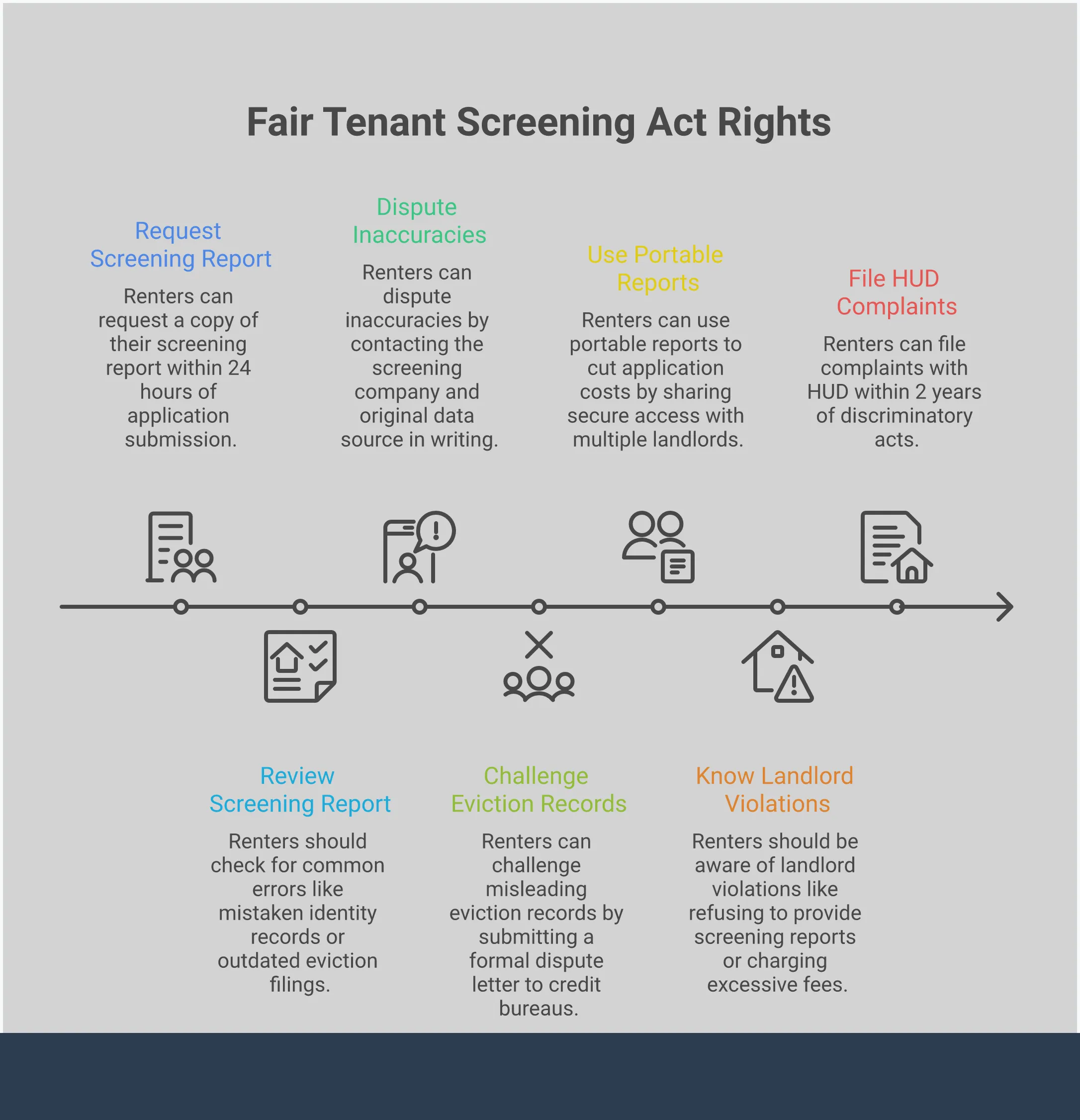
Have you ever been denied an apartment and left wondering why? It’s a frustratingly common experience. The FTSA addresses this head-on by giving you the right to see the information a landlord uses to make their decision. Too often, screening reports contain errors or misleading details that can unfairly cost you a home. The Fair Tenant Screening Act empowers you by ensuring you can access your own report. This transparency is crucial because it allows you to spot and correct inaccuracies, giving you the power to present the most accurate version of yourself to potential landlords.
Applying for multiple apartments can get expensive fast, with screening fees adding up to hundreds of dollars. This financial burden hits low-income renters and families the hardest, sometimes forcing them to choose between application fees and other essentials. The FTSA helps reduce this strain by putting limits on these costs. The goal is to make housing more accessible for everyone, regardless of their financial situation. This aligns perfectly with the idea of a portable screening report, which lets you pay once and share your verified information with multiple landlords, saving you significant time and money.
Your rental history shouldn't be a life sentence. Unfortunately, things like a past eviction filing—even one you won in court—can leave a permanent mark on your record. The FTSA works to prevent this kind of unfairness. It also protects vulnerable renters, such as survivors of domestic violence, whose records might contain information that could be used to unjustly deny them housing. By setting rules on what can be considered, the act helps ensure landlords make decisions based on relevant criteria, not on biased or out-of-context information from your past.
A simple mistake on your screening report can have major consequences. Whether it’s a misspelled name that pulls up someone else’s criminal record or an outdated debt that’s already been paid, inaccuracies can lead to an unfair denial. The FTSA emphasizes the importance of accuracy in the screening process. It pushes for screening reports to be based on reliable, up-to-date information. This helps you secure housing without the fear of being judged on someone else’s mistake or a simple data-entry error. Knowing how to dispute inaccuracies is a key part of protecting your rights as a renter.
The rental application process can feel like a black box. You submit your information, pay a fee, and hope for the best, often without knowing what a landlord sees or why you might be denied. The Fair Tenant Screening Act (FTSA) was created to fix these exact issues, making the process more transparent, affordable, and fair for everyone. It directly addresses some of the most common and frustrating hurdles renters face when searching for a new home.
An eviction record on your report can feel like a permanent stain, but it rarely tells the whole story. These records are often misleading or incomplete. For example, a report might not show that you won your case in court, that the eviction was filed but never actually happened, or that it was the result of a foreclosure—something completely out of your control. The FTSA gives you the right to see this information and dispute any inaccuracies. This ensures landlords are making decisions based on a complete and correct picture of your rental history, not just a single, potentially unfair data point.
If you’ve ever applied for multiple apartments, you know how quickly application fees add up. Paying $50 here and $75 there can easily cost you hundreds of dollars, draining money that could have gone toward your security deposit or first month's rent. This cycle puts a huge financial strain on renters, especially those with lower incomes. The FTSA helps solve this by encouraging the use of portable screening reports. With a service like Portable Tenant, you pay for one comprehensive report and can share it with as many landlords as you want, saving you significant time and money.
For too long, renters were in the dark about what was in their screening reports. A denial could come without any explanation, leaving you to wonder what went wrong. The FTSA changes that by establishing your right to access your own screening data. This transparency is a game-changer. It allows you to see exactly what landlords see, check for errors, and understand the information being used to evaluate your application. Having this control empowers you to present yourself accurately and confidently, turning a mysterious process into one you can actively participate in.
Screening reports can sometimes contain sensitive information that leads to unfair housing discrimination. For example, records related to calls for police assistance during a domestic violence situation could be misinterpreted by a landlord, unjustly preventing a survivor from securing safe housing. The FTSA helps protect renters by setting clearer guidelines on what information can be considered in a screening decision. By limiting the use of misleading or irrelevant records, the law works to prevent bias and ensure that all applicants are judged on fair and relevant criteria, as outlined by fair housing laws.
The Fair Tenant Screening Act (FTSA) is designed to level the playing field for all renters, but its protections are especially meaningful for certain groups who have historically faced the biggest hurdles in finding a home. By addressing common sources of bias and financial strain in the application process, the act creates a fairer system for everyone. It ensures that a person’s past circumstances don’t unfairly dictate their future housing opportunities. This shift helps build stronger, more stable communities by giving more people a fair shot at securing a safe place to live. Let's look at who benefits the most from these important protections.
For low-income individuals and families, the cost of simply applying for a new home can be a massive barrier. When you have to pay separate screening fees for every apartment you're interested in, those costs add up fast. This can quickly eat into the funds you’ve carefully saved for a security deposit and first month's rent. The FTSA directly addresses this financial burden by limiting how much landlords can charge and promoting the use of reusable reports. This simple change makes the housing search more affordable and accessible, ensuring that your budget goes toward securing a home, not just applying for one.
Finding a safe, new home is a critical step for survivors of domestic violence, but the screening process can create unfair obstacles. Sometimes, records related to calls for help or other situations connected to their experience can show up on a background check. The FTSA includes vital protections to prevent this from happening. It helps ensure that a landlord can't deny you housing based on a history that reflects your status as a survivor. According to advocates like the Tenants Union, these rules are essential for giving survivors a fair chance to find the stability and security they need.
An eviction on your record can feel like a permanent mark that closes doors everywhere you go. However, these records often lack important context. Did you win the case in court? Was the eviction filed because your previous landlord faced foreclosure? The FTSA acknowledges that these details matter. The act pushes for a more complete and accurate picture, preventing landlords from making a snap judgment based on a potentially misleading record. It ensures that your entire rental history is considered fairly, rather than having one past event unfairly define your eligibility as a tenant.
If you're a young adult, a recent graduate, or new to the country, you might not have much of a credit history yet. Unfortunately, many screening processes treat "no credit" the same as "bad credit," which can lead to an automatic denial. The FTSA helps protect renters in this situation from being unfairly disqualified. It also promotes transparency, giving you the right to see your screening report and understand the exact reason for a denial. This allows you to correct any errors and ensures that a lack of credit history doesn't stop you from finding a great place to live.
The Fair Tenant Screening Act isn't just about empowering renters—it also provides a clear set of rules for landlords. By standardizing the screening process, the FTSA helps landlords stay compliant with the law while ensuring every applicant gets a fair shake. When landlords follow these requirements, it creates a more transparent and trustworthy rental market for everyone involved. Understanding what the law asks of them can help you know what to expect and how to advocate for yourself during your housing search.
One of the most significant requirements of the FTSA is that landlords must share screening reports with applicants. Gone are the days of being denied a rental with no explanation. If a landlord uses a screening report to make a decision about your application, they are obligated to provide you with a copy. This transparency is a game-changer, as it allows you to see the exact information the landlord reviewed. It gives you the power to spot any wrong, incomplete, or misleading details that could be hurting your chances of finding a home. Many tenant advocacy groups fought for this right to ensure renters are no longer left in the dark.
The FTSA mandates that landlords must be completely transparent about any fees related to the screening process. This means no surprise charges or hidden costs. Before you apply, the landlord must disclose the cost of the screening report and what it covers. This is incredibly important, as application fees can quickly add up, sometimes costing renters hundreds of dollars without any guarantee of securing a lease. This rule helps you budget effectively and decide if an application is worth the cost. Using a portable screening report is another great way to avoid paying separate fees for every single apartment you're interested in.
Under the FTSA, landlords are expected to use fair and equitable screening criteria for all applicants. This means they should establish a clear, consistent policy and apply it to everyone equally, which helps prevent unfair discrimination. The act discourages landlords from denying applicants based on outdated or inaccurate information that may appear on a report. For example, a minor issue from years ago shouldn't automatically disqualify you from being a great tenant today. This requirement is designed to ensure that landlords are making decisions based on a holistic and fair view of each applicant, in line with fair housing principles.
If you discover an error on your screening report, the FTSA requires landlords to take it seriously. Inaccurate information, especially concerning eviction records, can be incredibly damaging. An eviction filing might not tell the whole story—perhaps you won the case in court, or the eviction was the result of a foreclosure that wasn't your fault. The law emphasizes that tenants shouldn't be permanently penalized for these kinds of misleading records. If you provide evidence of an error, the landlord should work to ensure their decision is based on accurate information. You always have the right to dispute inaccuracies and get them corrected.
When new laws are passed, it’s easy for misinformation to spread. The Fair Tenant Screening Act (FTSA) is designed to protect you, but myths and confusion can prevent renters from fully understanding their rights. Let's clear up some of the most common misunderstandings about the tenant screening process. Knowing the facts helps you approach your housing search with confidence and ensures you’re treated fairly from the start.
The goal of the FTSA isn't to make things harder for landlords; it's to create a more transparent and equitable system for everyone. It addresses long-standing issues like hidden reports, misleading records, and the high cost of multiple application fees. By debunking these myths, you can better advocate for yourself and use the protections the law provides. Understanding these truths is the first step toward a smoother, more secure rental experience.
A common and damaging myth is that you have no right to see the screening report a landlord uses to judge your application. Many renters get denied without ever knowing the specific reason why. The truth is, the FTSA empowers you by granting you the right to access this information. If a landlord uses a screening report to make a decision, you are entitled to a copy. This is crucial because reports can contain errors. Seeing your own report is the only way to spot and correct inaccuracies that could be holding you back.
There's a widespread fear that any eviction filing on your record is an automatic disqualifier for future housing. This isn't necessarily true. The FTSA encourages landlords to consider the context behind the records. An eviction filing is not the same as a judgment. You may have won the case, the landlord may have dropped it, or the circumstances may have been outside your control. The law pushes for a fairer evaluation, moving away from automatic denials based on incomplete information. It’s about seeing the whole picture, not just one negative mark on an otherwise solid rental history.
Many people assume that the eviction records landlords see are always accurate and tell the full story. Unfortunately, these records can be incredibly misleading. They often fail to show if a tenant won in court, if the case was dismissed, or if the eviction was the result of a foreclosure where the tenant was not at fault. The FTSA was created to address this exact problem by promoting the use of complete and accurate information. This is why having control over your own screening report is so powerful—it ensures the information presented to landlords is correct and up-to-date.
Perhaps the most persistent myth is that you have no choice but to pay a new application fee for every single apartment you're interested in. This process can drain hundreds of dollars from your budget before you even sign a lease. The FTSA directly tackles this issue by championing portable screening reports. The entire concept is to apply once and use the report everywhere. You pay for one comprehensive, secure report and can share it with as many landlords as you need within a set period, saving you significant time and money.
Knowing your rights is the first step, but actively protecting them is what makes a difference. The rental application process can feel overwhelming, but you have more power than you think. By taking a few proactive steps, you can ensure you’re treated fairly, your information is accurate, and your money is protected. Here’s how you can stand up for yourself and make sure your application process is smooth and transparent.
Too often, renters are denied a place to live without ever seeing the screening report a landlord used to make the decision. These reports can contain outdated or flat-out wrong information that you might not even know about. The Fair Tenant Screening Act gives you the right to see what a landlord sees. Always ask for a copy of your screening report after you apply, whether you’re approved or not. This keeps you informed and in control. Using a portable screening report from the start is even better, as it gives you direct access to your information before a landlord ever sees it.
What happens if you get your report and find a mistake? It’s more common than you’d think. An eviction lawsuit filed against someone with a similar name could end up on your record, even if you won your case or were never involved. This kind of bad information can lead to automatic denials. If you spot an error, you have the right to dispute it. You’ll need to contact both the screening company that created the report and the original source of the data, like a credit bureau. The Federal Trade Commission provides clear steps for filing a dispute, which should always be done in writing to create a paper trail.
Application fees can add up quickly, especially when you’re applying to multiple places. For many families, spending hundreds of dollars on fees can mean not having enough left for a security deposit. The FTSA was created in part to address this financial burden. Before you apply, ask for a clear, itemized list of all fees. Find out if they are refundable and what exactly they cover. Some states, like Colorado, have specific laws that limit how much a landlord can charge for an application and require them to provide a receipt. Being informed helps you avoid excessive charges and spot potential red flags.
From your first inquiry to the day you move out, keeping detailed records is one of the smartest things you can do as a renter. This means saving all emails and text messages with your landlord or property manager. If you have a phone call, follow up with an email summarizing what was discussed. Keep digital and physical copies of your lease agreement, rent receipts, repair requests, and any official notices. This documentation is your best defense if a dispute ever arises. If you need to file a complaint, having a clear record of everything will make your case much stronger and easier to prove. Many local tenant unions offer resources and checklists to help you stay organized.
Knowing your rights is the first step, but you don’t have to enforce them alone. If you run into issues or just need some guidance, several organizations are dedicated to helping renters. These groups can offer everything from legal advice to local support, ensuring you have the backup you need to find a home fairly and safely. Think of them as your personal support system for handling the rental process.
Local tenant unions are your on-the-ground advocates. These groups are made up of renters just like you, and they play a huge role in advocating for renters' rights and making sure laws like the Fair Tenant Screening Act (FTSA) are followed. Too often, renters are denied housing without ever seeing their screening report or understanding the reason why. Tenant unions work to fix that by providing resources and support to ensure the screening process is affordable, accurate, and fair for everyone. They are an excellent first stop if you feel something isn’t right with your application process.
The cost of multiple application fees can be a massive financial burden, especially for low-income renters and families. Sometimes, these fees can add up so much that you’re left without enough money for the first month’s rent or a security deposit. This is where legal aid organizations and housing groups come in. They are essential resources for renters who need legal advice but can't afford a lawyer. These groups can help you understand your rights under the FTSA and guide you on how to handle disputes over fees or unfair denials.
Fair housing organizations are focused on preventing discrimination in the rental market. They can provide guidance on the rules released by HUD that clarify how the Fair Housing Act applies to tenant screening. Their job is to make sure landlords and screening companies are operating fairly and not using screening criteria to discriminate against applicants. If you believe you’ve been denied housing based on your race, religion, family status, or another protected characteristic, a fair housing organization can help you understand your options and take action.
Survivors of domestic violence face unique and often unfair challenges when searching for housing. Records related to domestic violence, such as calls to the police for help, can be wrongly included in screening reports and lead to an illegal denial of housing. The FTSA aims to address these exact issues, and there are organizations that offer support for survivors going through this process. These groups can provide confidential advice and resources to help ensure that your past experiences don’t unfairly prevent you from securing a safe new home for yourself and your family.
The Fair Tenant Screening Act aims to create a more equitable and transparent rental process. Portable screening reports are a perfect example of these principles in action. Instead of starting from scratch with every application, a portable report puts the power back in your hands, embodying the fairness and efficiency the FTSA champions. It’s a modern solution that directly addresses the core issues the act was designed to solve, making your housing search simpler, cheaper, and more secure.
One of the biggest frustrations of apartment hunting is paying for multiple background checks, often without knowing what they contain. As the Tenants Union of Washington notes, many renters are denied housing based on reports they never see. A portable report changes this. You pay for one comprehensive report and can share it with as many landlords as you like. This means you present a single, verified version of your rental history every time, ensuring you’re evaluated fairly. It’s a straightforward way to see how it works and take control of your narrative.
Your personal data is valuable, and you should be the one to decide who sees it. The FTSA was created partly because old or misleading information, like an eviction lawsuit filed in error, could unfairly follow renters for years. With a portable screening report, you own your data. You grant landlords temporary, view-only access and can revoke it at any time. This means your sensitive information isn't stored indefinitely across multiple unsecured platforms. It’s a secure process that gives you complete control and peace of mind, directly aligning with the FTSA’s goal of protecting renter privacy.
Application fees add up fast, and for many, the cost can become a real barrier to finding a home. The FTSA aims to reduce this financial burden. A single, reusable report eliminates repetitive costs. You pay once for a report that’s valid for 30 days, which can save you hundreds of dollars and countless hours. This approach makes the rental process more accessible and affordable, which is exactly what fair screening legislation is all about. You can check out the simple pricing to see how much you could save.
The Fair Tenant Screening Act gives you powerful rights, but those rights are only effective if you know how to enforce them. While most landlords follow the law, you might encounter one who doesn't. If you suspect a landlord has violated the FTSA, it’s important to know what to look for and what steps you can take to protect yourself. Being prepared can make all the difference in securing fair and equal access to housing.
Knowing what a violation looks like is the first step. Keep an eye out for landlords who refuse to be transparent or follow the rules. A major red flag is when a landlord denies your application but won't give you a reason or a copy of the screening report they used. You have a right to see the information that led to their decision. Similarly, if you find that your screening report contains inaccurate or misleading information—like an eviction record for a case you won—that’s a serious issue. Also, be wary of landlords who charge excessive application fees or refuse to accept your valid, reusable screening report in states where they are legally required to.
If you believe a landlord has broken the law, don’t stay silent. Start by gathering all your documentation, including emails, receipts for any fees paid, and copies of your screening report. Once you have your evidence, you can file a complaint with the U.S. Department of Housing and Urban Development (HUD) or your state’s fair housing agency. These government bodies are tasked with investigating violations of fair housing laws. After you file, an investigator will typically be assigned to your case to gather facts from both you and the landlord. The goal is to determine if a violation occurred and to help find a resolution.
Beyond filing an official complaint, you have other legal avenues to explore. It’s often helpful to contact a local tenant union or legal aid organization. These groups can provide guidance specific to your situation and help you understand your full range of housing rights. You also have the option to file a private lawsuit in state or federal court. Under the Fair Housing Act, you generally have two years from the date of the discriminatory act to file. Taking legal action can feel intimidating, but it’s a powerful way to hold landlords accountable and ensure the housing market remains fair for everyone.
What's the biggest mistake renters make during the application process? The most common mistake is not asking to see the screening report a landlord uses to make their decision. You have a right to see this information, and it’s the only way to know if you’re being judged on accurate data. An old error, a paid debt, or even someone else's record could be on your report without your knowledge. Always ask for a copy, or better yet, use a portable report so you control the information from the very beginning.
Does the FTSA guarantee I'll get approved for an apartment? No, the FTSA doesn't guarantee approval. Landlords can still use fair and consistent criteria, like income and credit history, to choose the best applicant for their property. What the law does is ensure the process is transparent and the information used is accurate. It prevents landlords from denying you based on incomplete eviction records or other misleading data. Think of it as ensuring you get a fair shot, not a guaranteed home.
I have an old eviction filing on my record. Am I out of luck? Not at all. An old eviction filing doesn't have to be a permanent barrier to finding a home. The FTSA was designed to address this exact issue. Your first step is to get a copy of your report to see exactly what it says. If the information is incomplete—for example, if it doesn't show that you won the case or that it was dismissed—you have the right to dispute it. You can also proactively provide landlords with context and documentation to explain the situation and show them the full story.
How do I know if a landlord is charging too much for an application fee? The rules on fees can vary by state, but transparency is always required. A landlord should tell you the exact cost and what it covers before you apply. If the fee seems unusually high or they can't explain the cost, that's a red flag. The best way to avoid this issue is by using a portable screening report. You pay one reasonable fee for a report you can share with multiple landlords, which saves you money and avoids the fee-per-application trap.
What should I do if a landlord refuses to accept my portable screening report? In states with portable tenant screening laws, landlords are generally required to accept a valid report from a qualified provider. If a landlord refuses, it could be a violation of the law. You can politely remind them of the local regulations. If they still refuse, it might be best to document the interaction and consider applying elsewhere. You can also report the issue to a local tenant union or fair housing organization for further guidance.