
The days of clunky paper applications and collecting separate checks for background and credit reports are over. The modern rental process is faster, fairer, and more secure for everyone involved. At the center of this shift is the rise of free tenant screening for landlords, powered by a simple, efficient model: the applicant pays for a single, reusable report. This approach eliminates redundant paperwork and fees, saving time for both you and your potential tenants. For you, it means getting a complete, standardized picture of every applicant at no cost. This article breaks down the best services available and shows you how to implement a streamlined screening process that attracts top-tier renters.
Think of tenant screening as the rental world’s version of a background check for a job interview. It’s the process landlords and property managers use to get a clear picture of a potential renter before handing over the keys. A standard screening report pulls together a few key pieces of information: a credit report, a nationwide criminal background check, and any past eviction records. This isn't about being nosy; it's about making an informed decision to protect a significant investment—the rental property.
For landlords, a consistent screening process is the best way to find reliable tenants who will pay rent on time and take care of the property. For renters, it’s a chance to put your best foot forward and show you’re a responsible applicant. When done right, screening sets the stage for a positive and professional landlord-tenant relationship from day one. Skipping this step is a huge gamble, as it leaves you guessing about who you’re trusting with your property. A comprehensive, reusable report streamlines this entire process, making it faster and fairer for everyone involved.
A vacant unit can feel like a financial drain, but renting to the wrong person can be far more costly. The financial risks of a bad tenant go way beyond a single late rent payment. You could be dealing with consistent payment delays that disrupt your cash flow, or worse, thousands of dollars in property damage that a security deposit won't even begin to cover. Then there’s the eviction process, which is often the most expensive and stressful part. Legal fees, court costs, and lost rent during the months it takes to resolve the situation can add up to a significant financial hit. A thorough screening is your first and best line of defense against these preventable headaches.
Screening tenants isn't just about protecting your finances; it's also about following the law. The entire process is governed by regulations like the Fair Housing Act, which prohibits discrimination based on race, religion, national origin, sex, and other protected classes. This means you need to have a consistent screening process and apply the same criteria to every single applicant. If you decide to deny an applicant based on information in their screening report, you are legally required to provide them with an adverse action notice. This letter explains why they were denied and which reporting agency provided the information. Using a compliant screening service ensures these legal bases are covered, helping you make fair decisions and stay on the right side of the law.
Think of a tenant screening report as the complete picture of a potential renter. It’s the collection of documents that helps you verify an applicant is who they say they are and can be trusted to care for your property and pay rent on time. While the exact contents can vary between services, a truly comprehensive report gives you the essential data points you need to make a confident and fair decision. It’s not just about finding a tenant; it’s about finding the right tenant who will be a reliable partner in your rental business.
A thorough screening report moves beyond a simple gut feeling and provides objective information. It typically pulls from multiple sources to cover an applicant's financial habits, rental background, and public records. By reviewing these key areas, you can assess risk and ensure you’re placing someone in your property who is responsible and financially stable. This process is your first line of defense against potential issues like late payments, property damage, or costly evictions. A good report gives you peace of mind and sets the foundation for a positive landlord-tenant relationship from day one.
An applicant’s credit report is a window into their financial responsibility. It shows you how they’ve managed their debts, from credit cards and car loans to student loans. You’ll see their payment history, the amount of debt they carry, and their overall credit score. This isn’t about judging their spending habits; it’s about confirming their ability to consistently meet financial obligations. A strong credit history with on-time payments is a great indicator that they’ll treat their rent payment with the same level of importance. Look for patterns of reliability rather than focusing solely on the three-digit score.
A criminal background check is a crucial step for ensuring the safety of your property and your community. This part of the report scans national and local databases for any criminal records associated with the applicant. It’s important to approach this information with a clear and consistent policy. The goal isn’t to issue a blanket denial for any record but to assess whether a past offense poses a direct risk to the property or other tenants. Always make sure your screening process adheres to the Fair Housing Act to avoid discrimination and make fair, informed decisions based on relevant history.
Past behavior is often the best predictor of future behavior, and that’s especially true when it comes to renting. An eviction history report tells you if an applicant has ever been formally removed from a property for violating their lease. This is one of the biggest red flags for any landlord, as the eviction process is often a costly, time-consuming last resort for issues like consistent non-payment or significant property damage. Seeing a clean eviction history provides confidence that the applicant respects their lease agreements and has a positive track record as a tenant.
Simply put, you need to know that your tenant can afford the rent. Income and employment verification confirms that an applicant has a stable and sufficient source of income to cover their monthly payments and other living expenses. This process involves checking their employment status, salary, and sometimes their job history to see if their income is consistent. A common rule of thumb is that a tenant’s gross monthly income should be at least three times the monthly rent. Verifying this information upfront is a fundamental step in protecting your investment and ensuring a steady rental income stream.
When you start looking for tenant screening services, you’ll find plenty of options that are “free” for landlords. This typically means the applicant pays a fee to run their own background and credit checks. It’s a standard industry model that saves you money and places the cost on the person applying. This approach also empowers renters, as they can often reuse their report for multiple applications, saving them time and money in their search. Let's walk through some of the most popular and reliable services out there so you can find the right fit for your properties.
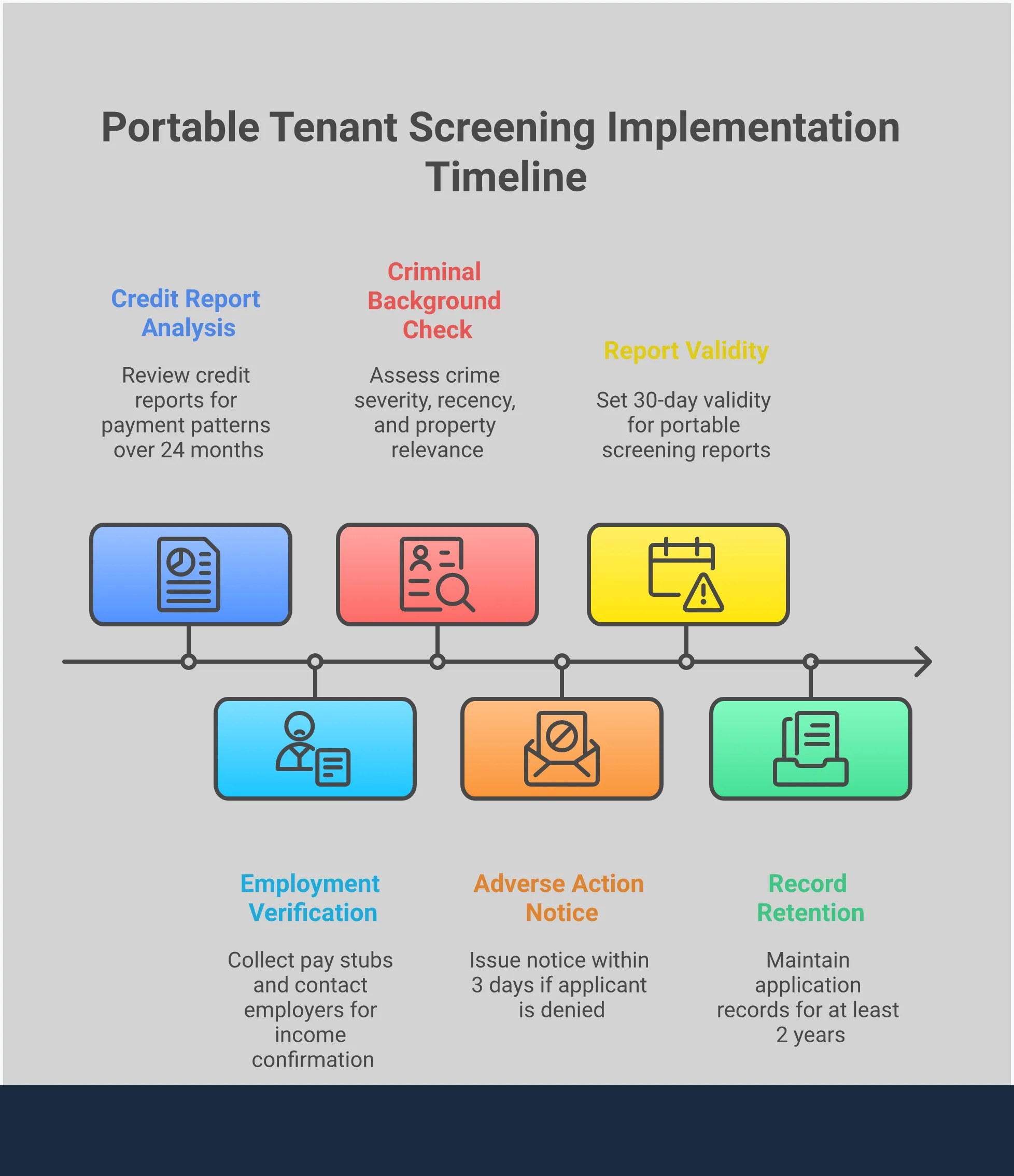
A Portable Tenant Screening Report (PTSR) is designed to streamline the application process for everyone involved. With a service like Portable Tenant, the renter purchases a comprehensive, reusable report that they can share with multiple landlords. This is a huge advantage in competitive markets. For you, the landlord, it’s completely free. You receive a thorough, Experian-powered report covering credit history, nationwide criminal and eviction records, and income verification. The best part? It’s built to comply with state-specific laws, taking the guesswork out of your legal obligations and ensuring you have a reliable, standardized report for every applicant.
If you already list your properties on Zillow, using their built-in screening tool is a convenient choice. Zillow Rental Manager allows you to easily invite applicants to run a background and credit check. As Zillow states, the service is "Free for Landlords," while "renters pay a $35 fee when they apply." This fee allows the applicant to use their report for any Zillow listing that accepts applications for 30 days. You get a complete picture of the applicant, including their credit score, eviction history, and income verification, all integrated within the platform you already use to manage your listings.
RentSpree is another excellent service that is completely free for landlords and real estate agents. According to the company, "RentSpree offers tenant screening services that are easy, fast, and free for agents and landlords." The process is straightforward: you send an application link to a prospective tenant, and they pay a fee to complete the screening. You receive a full report that includes a credit check, criminal background check, and eviction history. It’s known for its user-friendly interface, making it a great option if you want a simple, no-fuss solution for vetting your applicants quickly and efficiently.
For landlords who want the power of a major credit bureau behind their screening, TransUnion SmartMove is a top contender. The service gives you direct access to TransUnion's data, providing detailed reports on an applicant's credit, criminal, and eviction history. SmartMove offers flexibility in its payment model—you can choose to cover the cost yourself or have the applicant pay. This choice can be a strategic advantage depending on your market. Because the reports come from a trusted source, you can feel confident in the accuracy of the information you receive to make your decision.
Cozy was a popular tool for independent landlords before it was acquired by and integrated into Apartments.com. Today, its features are part of a larger suite of rental management tools offered by the platform. Similar to Zillow, the big draw here is the seamless integration if you already list your properties on Apartments.com. The process is simple: you invite an applicant to apply through the platform, and they pay a fee to generate their screening reports. You get all the essential information, including credit, eviction, and criminal history, delivered right to your dashboard.
When you see the word "free," it’s natural to be a little skeptical. In the world of tenant screening, that skepticism is often justified. While many services advertise themselves as free for landlords, the reality is that someone always pays. The short answer is that these services aren't truly free; the cost is simply shifted from the landlord to the rental applicant.
This model has become the industry standard. The service provider offers landlords a platform to request background checks at no direct cost, and in return, the prospective tenant covers the fee for their own report. For landlords managing tight budgets, this can seem like a perfect solution. You get the information you need without spending a dime. However, it’s important to understand the full picture. The cost to the applicant can vary, and the quality and comprehensiveness of the report you receive might differ from a paid service. Understanding this dynamic helps you make a more informed choice and maintain transparency with your potential tenants.
In most cases, the rental applicant pays for the screening report. Services like Zillow Rental Manager are clear about this model, stating that landlords can use their screening tools for free because the renter pays a flat fee to submit their application and background check. This fee typically allows the applicant to apply to multiple listings on that platform for a set period, usually around 30 days. The cost applicants pay can range from $25 to $50 or more, depending on the provider and the depth of the report. It's also worth noting that some states regulate how much landlords can charge for an application or screening fee. For example, California has a legal cap on these fees to protect renters from excessive charges.
Transparency is key when using any screening service. While a platform might advertise a "free" basic report, they may upsell you or the applicant on more detailed information, like in-depth credit analysis or nationwide criminal searches. These add-ons can quickly increase the cost. The best practice is to be completely upfront with your applicants. Before they apply, let them know which screening service you use and exactly what fee they will be expected to pay. This simple step builds trust and ensures there are no surprises during the application process. A positive experience for the applicant reflects well on you as a landlord and sets the foundation for a good landlord-tenant relationship from the very beginning.
While passing the cost to the applicant saves you money, it's crucial to consider what you're getting in return. Some "free" screening services may offer less comprehensive reports to keep their costs down. A basic check might only pull from a limited set of databases, potentially missing critical information from other states or jurisdictions. Relying on an incomplete report can leave you vulnerable. A screening that misses a past eviction or a relevant criminal conviction exposes you to significant financial and legal risks. A thorough, high-quality screening report is one of your best tools for protecting your investment and avoiding the costly and stressful eviction process.
Getting a tenant screening report is just the first step. The real work is in understanding what it all means. A report is a collection of data points, and your job is to piece them together to see the full picture of your applicant. It’s about looking for patterns and making an informed decision, not just finding a reason to say no. By applying consistent criteria to every application, you can evaluate candidates fairly and protect your investment while staying on the right side of the law.
The credit report gives you a snapshot of an applicant's financial habits. While the three-digit credit score is a helpful summary, the details are what really count. Look at their payment history—are late payments a one-time fluke or a consistent pattern? High amounts of debt, especially consumer debt like credit cards, could indicate financial strain. Also, check for accounts in collections or bankruptcies. These aren't automatic disqualifiers, but they are important conversation starters. Understanding an applicant's complete financial background helps you gauge their ability to consistently pay rent on time.
This is one of the most sensitive parts of the report, and it’s crucial to handle it carefully. When reviewing a criminal record, context is everything. You need to consider the nature of the crime, how long ago it occurred, and whether it’s relevant to their ability to be a good tenant. A single, minor offense from years ago is very different from a recent, serious conviction. The Department of Housing and Urban Development (HUD) has issued guidance for landlords advising against blanket bans based on criminal history. Instead, focus on whether a past offense poses a direct threat to the property or other residents.
An applicant's rental history is often the best predictor of their future behavior as a tenant. A good screening report will show any prior evictions, which are a major red flag. It may also summarize their past rental experiences, giving you insight into their payment reliability and compliance with lease terms. Look for a stable rental history without unexplained gaps. While a report provides objective data, it confirms what you’re looking for: a track record of paying rent on time and respecting the property. This information is key to finding a reliable, long-term renter for your property.
Once you have all the information, it's time to make a decision. The best way to do this fairly is to establish your rental criteria before you start accepting applications and apply them consistently to everyone. Your criteria might include a minimum credit score, a specific income-to-rent ratio (usually 3:1), and a clean eviction record. By having a clear, written policy, you remove personal bias from the equation. The goal is to verify the information you receive and match it against your pre-set standards, ensuring every applicant gets the same fair evaluation.
Staying compliant with the law is non-negotiable. The Fair Housing Act prohibits discrimination based on race, color, religion, sex, disability, familial status, or national origin. When you make your decision, ensure it’s based solely on your established business criteria. Furthermore, if you deny an applicant based on information in their screening report, the Fair Credit Reporting Act (FCRA) requires you to provide them with an adverse action notice. This letter informs them of the denial, names the reporting agency you used, and explains their right to dispute the information. Using a compliant screening service can help you manage these legal obligations correctly.
With so many tenant screening services on the market, picking the right one can feel overwhelming. But this decision is about more than just getting a report; it’s about finding a partner that protects your business, respects applicants' privacy, and simplifies your workflow. The best service for you will offer a blend of robust security, legal compliance, and user-friendly features that fit seamlessly into your rental process.
Think of it as hiring a specialist for a critical part of your business. You need someone reliable, thorough, and up-to-date on the latest regulations. Key factors to weigh include how the service handles sensitive data, whether it complies with state-specific laws (which are constantly evolving), and how easy it is for both you and your applicants to use. A great screening service doesn't just give you data—it gives you confidence in your decisions and helps you avoid common mistakes that can cost you time and money. Let’s break down what to look for.
You're handling some of the most sensitive personal information imaginable—Social Security numbers, credit histories, and income details. Protecting this data isn't just good practice; it's a legal and ethical requirement. When you’re comparing services, always choose a reputable provider that prioritizes security. Look for features like bank-level encryption and a clear privacy policy that explains how data is stored and shared.
A modern approach to security also involves giving applicants more control over their own information. Services that empower renters to manage and share their own reports, like a Portable Tenant Screening Report, reduce your liability and create a more transparent process. This applicant-led approach ensures data is only shared when necessary and can be revoked at any time, building trust from the very beginning.
Landlord-tenant laws can be a complex web of federal, state, and local regulations. What’s standard practice in one state could be illegal in another. It’s absolutely essential to use a screening service that understands and adheres to the laws in your specific area. This is especially true in states with unique requirements, like Colorado, Washington, and California, which have specific laws regarding portable screening reports.
Your chosen service should help you stay compliant with the Fair Credit Reporting Act (FCRA) and Fair Housing Act (FHA), but it also needs to account for local nuances. Before committing to a service, check that their reports and processes are designed to meet your state’s legal standards. A compliant service protects you from potential lawsuits and fines, making it a non-negotiable feature for any landlord.
The best screening report in the world won't do you much good if it's a pain to request and read. A smooth, intuitive platform saves you valuable time and prevents qualified applicants from dropping out of the process due to frustration. Look for a service with a clean interface and a straightforward workflow for both you and the applicant. Can you easily invite applicants to apply? Is the final report easy to understand?
Many modern landlords use property management software to keep everything organized. If that’s you, check if the screening service integrates with the tools you already use. An integrated system can automatically run background checks when an application is submitted, keeping all your information in one place. This streamlines your entire leasing process, from initial application to signing the lease, making your job much easier.
Choosing the wrong screening service can lead to some common but costly mistakes. One of the biggest is inconsistent screening. It’s crucial to run the same type of background check on every single applicant to avoid accusations of discrimination. A good service makes this easy by offering standardized report packages. Another pitfall is rushing the process or failing to establish clear rental criteria beforehand. Your service should provide comprehensive information, allowing you to make an informed decision based on your pre-set standards.
Don’t let a clunky or incomplete service cause you to skip or skimp on essential checks. A quality provider will deliver a thorough report covering credit, criminal, and eviction histories, so you have a complete picture. By selecting a comprehensive and easy-to-use service, you build a reliable system that helps you avoid these common errors and consistently place great tenants.
Should I automatically deny an applicant if they have a low credit score? Not necessarily. A credit score is just one part of an applicant's financial story, and it’s more important to understand the context behind the number. Look at the full credit report for patterns. A history of consistent late payments on multiple accounts is a bigger red flag than a low score caused by student loans or a past medical bill. You should weigh their credit history against other factors, like their stable income and positive rental history, to get a complete picture of their reliability.
What's the real benefit of a portable screening report for me as a landlord? The main benefits are efficiency and access to more serious applicants, all at no cost to you. When renters use a portable report, they've already paid for it and have it ready to share, which means they are often more committed applicants. This streamlines your process significantly, allowing you to review a comprehensive, standardized report and fill your vacancy faster. It creates a smoother, more professional experience for everyone involved.
Can I just ask an applicant for a screenshot of their credit score from a free app? It's best to avoid this practice. Using a professional, FCRA-compliant screening service is the only way to ensure the information you receive is authentic, secure, and legally obtained for housing purposes. Screenshots can be easily altered, and they don't provide the crucial information you need, like eviction and criminal history. A proper service protects you from fraud and helps you stay compliant with fair housing laws.
What do I do if I find a criminal record on an applicant's report? The key is to have a consistent policy and evaluate the information fairly. A blanket denial based on any record can lead to discrimination claims. Instead, you should consider the nature and severity of the crime, how long ago it occurred, and whether it poses a direct risk to your property or the safety of other residents. Having a clear, written policy that you apply to every applicant is the best way to make an objective and legally sound decision.
Do I really need to give someone a formal "adverse action notice" if I deny them? Yes, this is a legal requirement. If your decision to reject an applicant is based on any information found in their screening report, the Fair Credit Reporting Act (FCRA) requires you to notify them in writing. This notice should state the reason for the denial, provide the name and contact information of the screening company you used, and inform the applicant of their right to obtain a copy of the report and dispute any errors. Many compliant screening services can help you generate this notice easily.