
Applying for apartments gets expensive fast. With application fees ranging from $20 to $50 each, looking at just five places could cost you over $200 before you even sign a lease. This traditional process feels outdated and costly, especially when each landlord runs a similar background check. There is a smarter way. A portable tenant screening report allows you to pay a single fee for one comprehensive report that you can share with as many landlords as you want for up to 30 days. To save time and keep more money in your pocket, you need to get a shareable rental history report. It’s the modern, budget-friendly approach to renting that puts you in control of your finances and your housing search.
Think of a rental history report as your renting resume. It’s a document that summarizes your track record as a tenant, giving potential landlords a clear picture of your reliability and respect for property. It shows them you’re a responsible renter who pays on time and takes care of your home. A shareable report, often called a portable tenant screening report, takes this a step further. Instead of paying for a new report with every single application, you get one comprehensive report that you control and can reuse multiple times.
This is a game-changer in a competitive rental market. Having a shareable report ready to go means you can apply for new listings the moment they pop up, putting you ahead of other applicants. It saves you money on repeated application fees and gives you full transparency into the information landlords see. You’re no longer just a name on an application; you’re a prepared, professional candidate who is serious about finding your next home. This simple step shows landlords you’re organized and trustworthy from the very beginning.
So, what exactly are landlords looking at? A standard rental history report usually contains your name, previous rental addresses, and the start and end dates for each lease. It also includes your payment records, showing whether you consistently paid rent on time. Landlords can also see notes or feedback from your past landlords, which might mention things like your communication style or how well you maintained the property.
The goal is to give a future landlord a snapshot of your behavior as a tenant. Think of it as a reference check, but in a standardized format. It verifies the information you put on your application and provides crucial context that helps a landlord feel confident in their decision to rent to you.
It’s easy to mix these two up, but they tell very different stories. A credit report focuses on your overall financial history, like your debts, credit card payments, and any loans you might have. It shows how you manage your financial obligations in general. On the other hand, a rental history report provides specific insights into your past rental behavior. It’s all about your track record as a tenant, not just a borrower.
While both are important, your rental history gives a landlord a much more relevant picture of what to expect from you as a resident. A great credit score is fantastic, but a proven history of on-time rent payments and positive landlord references can be even more convincing. A comprehensive screening report, like the one from Portable Tenant, often includes both for a complete view.
From a landlord's perspective, renting out a property is a big investment, and they want to protect it. They use rental history reports to help them decide if you'll be a reliable renter. Your past actions are often the best predictor of your future behavior, so seeing a history of timely payments and positive feedback gives them peace of mind. It helps them filter through applications to find someone who is likely to pay rent on time, follow the lease terms, and be a respectful neighbor.
By providing your own shareable report, you’re not just complying with their process; you’re actively building trust. It shows you have nothing to hide and that you understand what makes a great tenant. This proactive step can make their decision easier and your application stand out from the pile.
Getting your hands on your rental history report before a landlord does is one of the smartest moves you can make in your apartment search. It puts you in the driver's seat, allowing you to check for errors and address any potential red flags head-on. Instead of waiting to see what a landlord finds, you can present a complete, accurate picture from the start. Here’s how you can get a shareable report to streamline your applications and stand out from the crowd.
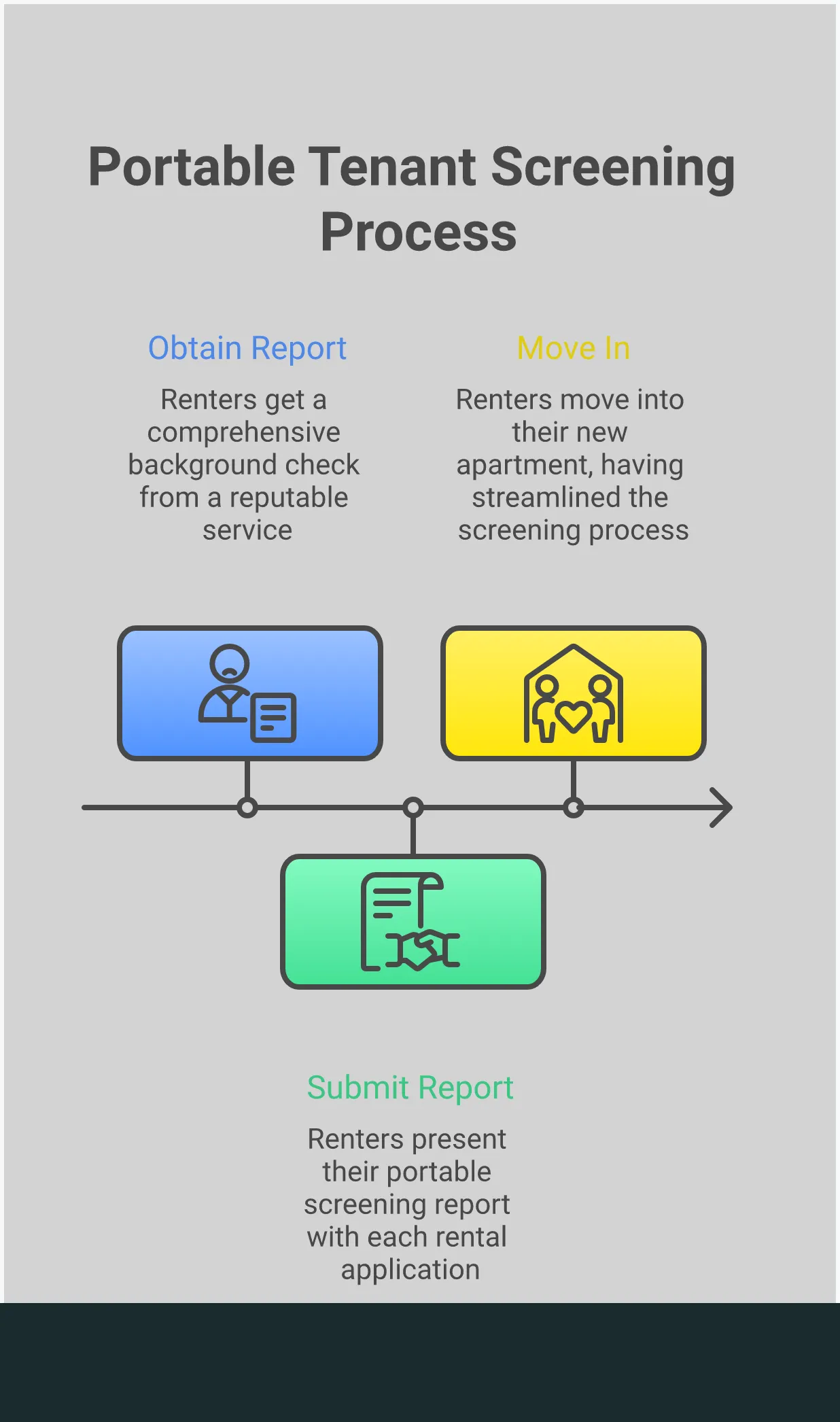
The most efficient way to manage your rental applications is with a Portable Tenant Screening Report (PTSR). A PTSR allows you to pay once and reuse your verified report for up to 30 days, with no extra fees and no new applications. This approach helps you stay organized, protect your data, and save on repeat application fees. Instead of paying for a new background check for every apartment you like, you have one comprehensive, verified report ready to go. This not only saves you money but also gives landlords the confidence to approve your application faster because they receive a trusted, complete picture of your rental history.
Beyond portable reports, you can also request your rental history from traditional tenant screening companies. These services provide landlords with specific insights into your past rental behavior and are a common part of the application process. However, the main difference is that you typically pay a separate fee, often between $20 and $50, for each application you submit. This can add up quickly in a competitive rental market. While these providers are an option, they lack the reusability and cost-effectiveness of a portable report, requiring you to start the process from scratch with every new potential landlord.
Surprisingly, most renters never check their own reports. Don’t be one of them. Taking a few minutes to get your report can save you a lot of headaches later.
Think of your rental history report as your resume for renting. It’s a detailed summary that shows potential landlords how you've managed your responsibilities as a tenant in the past. This report gives them a clear picture of what they can expect if they rent to you. It typically includes where you've lived, if you paid rent on time, if you've ever been evicted, and if you broke any lease rules. Understanding what’s inside is the first step to confidently sharing it. A comprehensive report from a service like Portable Tenant pulls all this crucial information into one secure, shareable document, putting you in control of your rental journey.
This is one of the most important parts of your report. Landlords want to see a consistent record of on-time rent payments because it shows you’re financially reliable. This section will detail your payment habits, including any late payments, missed payments, or outstanding balances owed to previous landlords. A clean payment history is a huge green light for property managers, signaling that you’re a low-risk tenant who can be trusted to meet your financial obligations each month. It’s the strongest evidence you can provide to show you’ll be a dependable resident.
This section covers any major issues from your past rentals. It will show if a previous landlord ever filed for eviction against you, even if you weren't ultimately removed from the property. It can also include documented lease violations, such as causing significant property damage, having unauthorized pets, or receiving multiple noise complaints. While this information can be concerning, it’s important to know that most negative records, like evictions, will typically disappear from your report after seven years. Knowing what’s in this section ahead of time allows you to prepare an explanation if needed.
This part of the report is a straightforward log of your previous rental addresses and the duration of each lease. It serves as a factual check for the information you provide on your rental application. Landlords use this to verify your housing history and look for stability. A history of long-term tenancies can make you a more attractive applicant because it suggests you’re a stable renter who is likely to stay for a while. Conversely, a pattern of very short leases might prompt a landlord to ask a few more questions. You can learn more about what's included in a report in our help center.
Beyond the hard data, your report may include feedback from your former landlords. When a potential landlord checks your references, they’ll ask about your payment habits, how you cared for the property, if there were noise complaints, and if you followed the lease rules. This is why leaving a rental on good terms is so important. A positive reference can be the deciding factor that sets you apart from other applicants. It gives a future landlord confidence that you’re not just a responsible payer but also a respectful and considerate tenant.
Your rental history report is like your professional resume for landlords. It tells the story of your reliability as a tenant, so you want to make sure it’s telling the right one. An error, even a small one, could be the reason you miss out on your dream apartment. Taking the time to review your report for accuracy is one of the most important steps in the rental application process. It puts you in control and helps you present yourself in the best possible light.
It’s easy to assume that an official-looking report is always 100% correct, but that’s a common misconception. The truth is, errors can and do appear on rental history reports. These mistakes might include incorrect payment records, addresses you never lived at, or even lease violations that never happened. These inaccuracies can unfairly damage your reputation as a renter. Many people apply for apartments without ever seeing what’s in their file, which can lead to confusing and frustrating rejections. Knowing what’s on your report is the first step to ensuring it’s accurate.
The best way to protect yourself is to get a copy of your report and review it carefully before you start applying for apartments. When you get your report, check every detail: your name, past addresses, lease dates, payment history, and any notes from previous landlords. Catching a mistake early gives you time to fix it, so you can apply with confidence. Using a portable tenant screening report allows you to see all your information in one place before you decide to share it with a potential landlord, giving you full transparency and control.
If you find an error on your report, don’t panic. You have the right to dispute it. Start by contacting the company that created the report. You’ll need to clearly explain the mistake and provide proof to back up your claim, such as copies of rent receipts, bank statements, or your lease agreement. The Fair Credit Reporting Act gives you the right to an accurate report, and reporting agencies are required to investigate your dispute. Taking this step ensures your rental history truly reflects your record as a great tenant.
Having your own shareable rental report does more than just simplify the application process. It gives you a strategic advantage in your housing search, putting you in a position of confidence and control. Instead of reacting to each landlord's request, you can proactively present yourself as the ideal tenant. This shift can make all the difference, especially in a crowded market.
The traditional rental hunt often involves filling out endless applications and paying repeated fees. Each landlord runs their own background check, and those costs add up. A portable tenant screening report changes that. With a Portable Tenant Screening Report (PTSR), you pay a single fee for a comprehensive report you can reuse for up to 30 days. This lets you apply to multiple properties without new screening costs each time. It’s a smarter, more budget-friendly way to find your next home, saving you both time and money.
Walking into a viewing with a verified screening report sends a powerful message. It shows you’re a serious, organized, and transparent applicant. Landlords want reliable tenants, and providing your own report gives them the information they need upfront, which builds immediate trust. This proactive approach helps landlords streamline their process, making them more likely to move your application to the top of the pile. It’s a simple step that demonstrates responsibility and can make a huge difference in their decision.
Your rental history is more than a list of addresses; it’s the story of your reliability. When you let each landlord pull a new report, you lose control over that narrative. Getting your own shareable report puts you back in the driver's seat. You can review it for accuracy, understand what landlords will see, and prepare to address any potential red flags on your own terms. It’s about presenting the full picture and ensuring your story is told correctly, giving you complete control over your data.
In a hot rental market, apartments can be leased within hours. When you’re competing against other applicants, being prepared is your secret weapon. Having a shareable rental report ready means you can submit a complete application on the spot. This preparedness makes you stand out and shows the landlord you’re ready to move forward. It eliminates delays and makes the landlord’s job easier, giving you a significant advantage. By avoiding common rental application mistakes, you position yourself as the ideal candidate who is ready to sign a lease.
You have your shareable rental history report, a huge step toward landing your next place. But how you present it matters. Sharing your report effectively can make a big difference in a landlord’s decision, helping you stand out as a responsible and organized applicant. When you control the report, you control the narrative. Let's walk through how to do it right.
The best time to share your report is when you submit your application. Presenting it upfront shows you’re proactive, transparent, and have nothing to hide. It saves the landlord time and immediately sets you apart from other applicants. When you use a portable screening report, you can simply share a secure link. This protects your sensitive information since you’re not emailing attachments, and you can revoke access anytime. It’s a professional touch that demonstrates you’re a serious renter who respects both your own privacy and the landlord’s time.
Your rental history report is key, but it works best as part of a complete package. To make the best impression, bundle it with a few other documents. Include a brief cover letter introducing yourself and explaining your interest in the property. You should also have your completed rental application, proof of income, and a list of references ready to go. Providing everything at once makes the landlord's job easier and shows that you are a thorough applicant. It streamlines their review process and keeps your application at the top of the pile.
Life happens, and your rental history might reflect that. If you have a late payment or a broken lease, don't panic. The key is to be honest and address it head-on. Before sharing your report, review it carefully so you know exactly what’s on it. If there’s a negative mark, write a short letter of explanation. Acknowledge the issue, briefly explain the circumstances (like a past job loss), and show how your situation has improved. This proactive approach is much better than letting a landlord discover it on their own. For more guidance, our help center has resources to assist you.
What's the real difference between a portable report and the one a landlord runs? The biggest differences are control and cost. When a landlord runs a report, it's a one-time transaction for a single application. A portable report is one you purchase and own, allowing you to reuse it for multiple applications. This means you pay once to apply for several properties, saving you from paying separate screening fees for every apartment that catches your eye.
How long can I use my shareable rental report? A portable tenant screening report is typically valid for 30 days. This gives you a full month to apply to as many properties as you like without paying for new reports. The information remains current and verified during this period, so landlords can trust its accuracy while you have a solid window of time for your apartment search.
What should I do if my rental history isn't perfect? Don't let a past issue stop your search. The best approach is to be upfront and honest. When you get your own report, you can see exactly what a landlord will see. If there's a negative mark, like a late payment, you can prepare a brief, professional letter of explanation to submit with your application. Acknowledging the situation and showing how things have changed can build trust with a potential landlord.
Is it safe to share my report with landlords? Yes, sharing a report through a secure service is much safer than emailing sensitive documents. Instead of sending attachments with your personal data, you provide a secure link. This gives you complete control over who sees your information, and you can even revoke a landlord's access to your report at any time, protecting your privacy throughout your search.
Why should I get my own report instead of just paying the landlord's application fee? Getting your own report is a strategic move that puts you in a stronger position. It allows you to review your information for accuracy and address any issues before a landlord ever sees them. It also shows you're a prepared and serious applicant, which can give you an edge in a competitive market. Plus, the cost savings are significant if you plan to apply for more than one property.