
Every time you apply for an apartment, you hand over your most sensitive information: your Social Security number, your financial history, your past addresses. It can feel unsettling not knowing where that data is going or how securely it’s being stored by multiple landlords and property managers. In an age where data privacy is paramount, there’s a better way to protect yourself. The solution lies in learning how to get a tenant screening report for myself through a secure, centralized service. This approach minimizes your digital footprint by letting you share a single, secure link with potential landlords. You control who sees your information and can revoke access at any time, giving you complete peace of mind during your search.
When you apply for a rental, landlords don't just go on a gut feeling. They use a tenant screening report to get a clear picture of your financial and rental history. Think of it as a background check specifically for renters. It helps landlords assess whether you're likely to pay rent on time and take care of their property. For you, the renter, this report can feel like a mystery box that decides your fate. But it doesn't have to be. Understanding what’s in this report and seeing it for yourself before you apply can make your apartment hunt much smoother and save you from unexpected rejections.
A tenant screening report pulls together information from several different sources to create a comprehensive profile. It’s much more than just a credit score. A typical report includes your credit history from a major bureau like Experian, a nationwide criminal background check, and any past eviction records. Landlords will see your payment history, outstanding debts, and relevant public records. Many reports also verify your employment and income to confirm you can afford the rent. Our portable reports package all of this information together, giving landlords a complete and reliable overview in one secure document.
Running a tenant screening report on yourself is one of the smartest moves you can make as a renter. It lets you see exactly what potential landlords will see, so there are no surprises when you start applying. This gives you a chance to spot and fix any errors, like an incorrect debt or a mistaken eviction record, before they can cause your application to be denied. Knowing what’s on your report helps you apply with confidence. You can address any potential red flags upfront with the landlord or focus your search on properties where you know you’ll be a strong candidate, saving you time and application fees.
Your screening report is a major factor in a landlord's decision. A strong report with a good credit history and no evictions can put your application at the top of the pile. On the other hand, negative information can lead to a denial or less favorable lease terms, like a higher security deposit. If a landlord denies your application because of something in your report, they are required by law to give you an "adverse action notice." This notice explains their decision and provides information on the screening company they used. This is part of your rights under the Fair Credit Reporting Act (FCRA).
Getting your own tenant screening report is one of the smartest moves you can make in your apartment search. Instead of paying separate application fees for every place you like, you can run one comprehensive report and share it with multiple landlords. This puts you in the driver's seat, saving you time, money, and a lot of headaches. The process is straightforward, and having your report ready to go shows landlords that you’re a serious and prepared applicant. Let’s walk through the simple steps to get your report.
First things first, you need to find a reliable service that offers a portable tenant screening report. This is a reusable report you control and can share with landlords as you apply for different properties. In states like Colorado, Washington, and California, landlords are legally required to accept these reports, which means they can’t charge you their own application fees if you provide one. Look for a service that provides a comprehensive check, including credit, background, and eviction history. A trustworthy provider will be transparent about what’s in the report and how your data is protected, giving you peace of mind throughout your search.
To generate your report, you’ll need to provide some personal information. A complete screening report typically covers four key areas. It includes your credit history, which shows landlords your financial responsibility through your credit score and payment patterns. It also includes a nationwide criminal background check for any serious offenses. The report will show your rental history, including any past evictions, which gives landlords insight into your reliability as a tenant. Finally, you’ll often need to provide information to verify your income, proving you can afford the rent. Having this information handy will make the application process quick and smooth.
Once you’ve chosen a service and gathered your info, it’s time to fill out the application. The process is usually done entirely online and only takes a few minutes. You’ll start by providing basic details like your name and email address. From there, you’ll fill in your personal, rental, and employment history. After you securely submit your payment, the service will run the checks and compile your report. You’ll then receive a secure, shareable link that you can send to landlords and property managers. It’s a simple way to get your report and take control of your rental journey.
This final step is crucial: always review your report before you start sharing it. Go through each section carefully to make sure all the information is accurate. Checking your own report is the best way to catch any potential errors, like an incorrect address or a debt that doesn’t belong to you. Finding and fixing these issues beforehand ensures you’re presenting the most accurate picture to potential landlords. If you find a mistake, you have the right to dispute any inaccuracies with the credit bureaus. Once you’ve confirmed everything looks good, you can confidently download and share your report.
Figuring out the cost of tenant screening can feel a little murky, especially when you’re juggling multiple applications. The price isn't standardized and can change depending on how much information a landlord wants to see. Some reports are basic, while others are incredibly detailed. The key is to understand what you're paying for and find ways to make the process more efficient and affordable. Paying for a report that you can reuse is one of the best ways to save money during your apartment search.
A tenant screening report is a detailed look into your history as a renter and consumer, and its cost typically reflects the depth of that look. A basic report might only include a credit check, while a more comprehensive one will pull in your nationwide criminal and eviction history, verify your income, and package it all with your rental application. Landlords and property managers use this information to make sure they’re choosing a reliable tenant. The price for these reports can range from $25 to $75 or more, and that fee is usually paid by you, the applicant, for each property you apply to.
You might see mentions of free reports, and it's important to know what that means. Under federal law, you are entitled to a free copy of your credit report from each of the three major credit bureaus once a year. This is a great way to check for errors. Also, if a landlord denies your application because of something in a screening report, you have the right to request a free copy of that specific report. However, a comprehensive screening report compiled by a third-party service for a landlord almost always comes with a fee. These services charge for gathering and organizing data from multiple sources into one easy-to-read document.
This is where a portable tenant screening report (PTSR) changes the game. Instead of paying a separate application and screening fee for every apartment, you pay for one comprehensive report that you can share with multiple landlords for up to 30 days. This approach saves you a significant amount of money, especially in a competitive rental market where you might apply for several places at once. With a service like Portable Tenant, you pay a flat fee for a report that you control, giving you a smart and budget-friendly way to manage your housing search.
Once you have your tenant screening report in hand, it’s time to play detective. Think of this as a final proofread before you turn in a major assignment. Catching and correcting mistakes now can save you from confusion and potential rejection down the line. Landlords rely on this document to make their decision, so you want it to be a perfect reflection of you as a responsible applicant.
A single typo or piece of outdated information can cause unnecessary delays or even lead to a denial. Go through your report section by section with a fine-tooth comb. Pay close attention to your personal details, credit history, rental background, and income information. It’s your data, and you have the right to ensure it’s accurate. We’ll walk through exactly what to look for in each part of the report.
Your credit history is a big piece of the puzzle for landlords, as it gives them a sense of your financial reliability. Your screening report will pull data from major credit reporting agencies like Experian to show your credit score, payment history, and any outstanding debts.
Start by confirming that all the accounts listed actually belong to you. Look for any late payments that seem incorrect or debts that you’ve already paid off. Even small errors can impact your score and how a landlord perceives your application. Make sure your personal information, like your name and current address, is also correct, as a simple mix-up can sometimes pull in someone else’s data.
This section is critical, as an error here can be an immediate red flag for property managers. Your report will list your previous addresses and, most importantly, any eviction records filed under your name. Unfortunately, incorrect eviction records are a common and damaging type of error found on screening reports.
Double-check that all your past rental addresses and dates are accurate. Most importantly, confirm that the eviction history section is clear, assuming you’ve never been evicted. If you see a record that doesn’t belong to you, it’s crucial to address it immediately. An inaccurate eviction record can make it incredibly difficult to find housing, so ensuring this information is correct is one of the most important steps you can take.
Landlords need to verify that you can comfortably afford the rent, so they’ll look closely at your employment and income details. Your screening report should show your current employer, job title, and income. If you’ve recently changed jobs or received a raise, the information on the report might be outdated.
Confirm that your employer’s name is spelled correctly and that the income listed matches your pay stubs or offer letter. If the numbers are off, a landlord might mistakenly think you don’t meet their income requirements, which are often set at three times the monthly rent. Having accurate information here presents you as a qualified and prepared applicant.
Beyond the big three sections, other mistakes can pop up. Simple data entry errors like a misspelled name, a wrong birthdate, or a transposed digit in your Social Security number can link you to someone else’s negative history. Carefully review every piece of personal information.
The Consumer Financial Protection Bureau (CFPB) has noted that renters often bear the costs of these errors. If a landlord decides against renting to you based on information in the report, they are required by the Fair Credit Reporting Act (FCRA) to give you an "adverse action notice." This notice tells you which screening company was used and that you have the right to see the report and dispute any inaccuracies.
Finding a mistake on your screening report can feel like a major setback, but don't panic. Errors happen, and there's a clear, established process for getting them fixed. The key is to act quickly and methodically. By understanding your rights and following a few simple steps, you can correct inaccuracies and make sure your report reflects the real you. This process protects you and ensures landlords are making decisions based on the right information. Let's walk through exactly what you need to do if you spot something that doesn't look right.
First things first, you have powerful legal protections under the Fair Credit Reporting Act (FCRA). This federal law is designed to promote accuracy and fairness in the information used by consumer reporting agencies. If a landlord denies your application or offers you less favorable terms (like a higher security deposit) because of information in your report, they are required to give you what’s called an "adverse action notice." This notice must tell you which screening company provided the report and how to contact them. It also confirms your right to get a free copy of that report and to dispute any inaccurate information you find.
Once you have the report and have identified an error, your next step is to formally dispute it. You have the right to dispute inaccurate information with the screening company that prepared the report. While you can dispute an error at any time, it’s best to act immediately to avoid delays with your rental applications. You should submit your dispute in writing. Clearly explain which item on the report is wrong and why you believe it's an error. The Consumer Financial Protection Bureau offers great advice and even sample letters you can adapt for your situation.
A dispute is much stronger when you have evidence to back it up. Before you send your letter, take some time to gather any documents that prove the information on your report is incorrect. This could include things like bank statements to prove income, court records showing a case was dismissed or expunged, or a letter from a previous landlord clarifying your rental history. Submitting a clear, written dispute with specific details and supporting evidence gives the screening company everything it needs to investigate properly and correct the errors. Make copies of everything you send and keep the originals for your records.
After you submit your dispute, the screening company is legally required to investigate your claim, usually within 30 days. They must review your evidence and also contact the source of the information to verify it. Once the investigation is complete, they have to give you the results in writing and provide a free copy of your corrected report if the investigation resulted in a change. Remember that initial adverse action notice? It’s your starting point. It must provide the name, address, and phone number of the screening company, so you know exactly who to contact to get the ball rolling on your dispute.
Once you have your tenant screening report in hand, you’re ready to start your housing search with confidence. Think of this report as your rental resume. It’s a powerful tool that gives you a significant advantage in a competitive market. Instead of just reacting to landlord requests, you can proactively manage your information and streamline the entire application process. This shift from a reactive to a proactive mindset is what makes all the difference. You're no longer just a name on an application; you're a prepared candidate who respects the landlord's time and your own.
By taking control of your screening report, you can get ahead of potential issues, highlight your strengths as a tenant, and make a great first impression before a landlord even meets you. This preparation shows that you’re organized and serious about your search, which can set you apart from other applicants. It also gives you the space to focus on what really matters: finding a home that you love, not just one that will accept your application. The goal is to move from a position of hoping for approval to one where you are presenting a complete, accurate, and compelling picture of yourself as a reliable tenant. This section will guide you on how to use your report strategically. We'll cover how to apply to multiple properties without breaking the bank, how to protect your sensitive personal data throughout the process, and what you can do to address any potential red flags before a landlord ever sees them. Let’s walk through how to make your report work for you, so you can find your next home with less stress and more control.
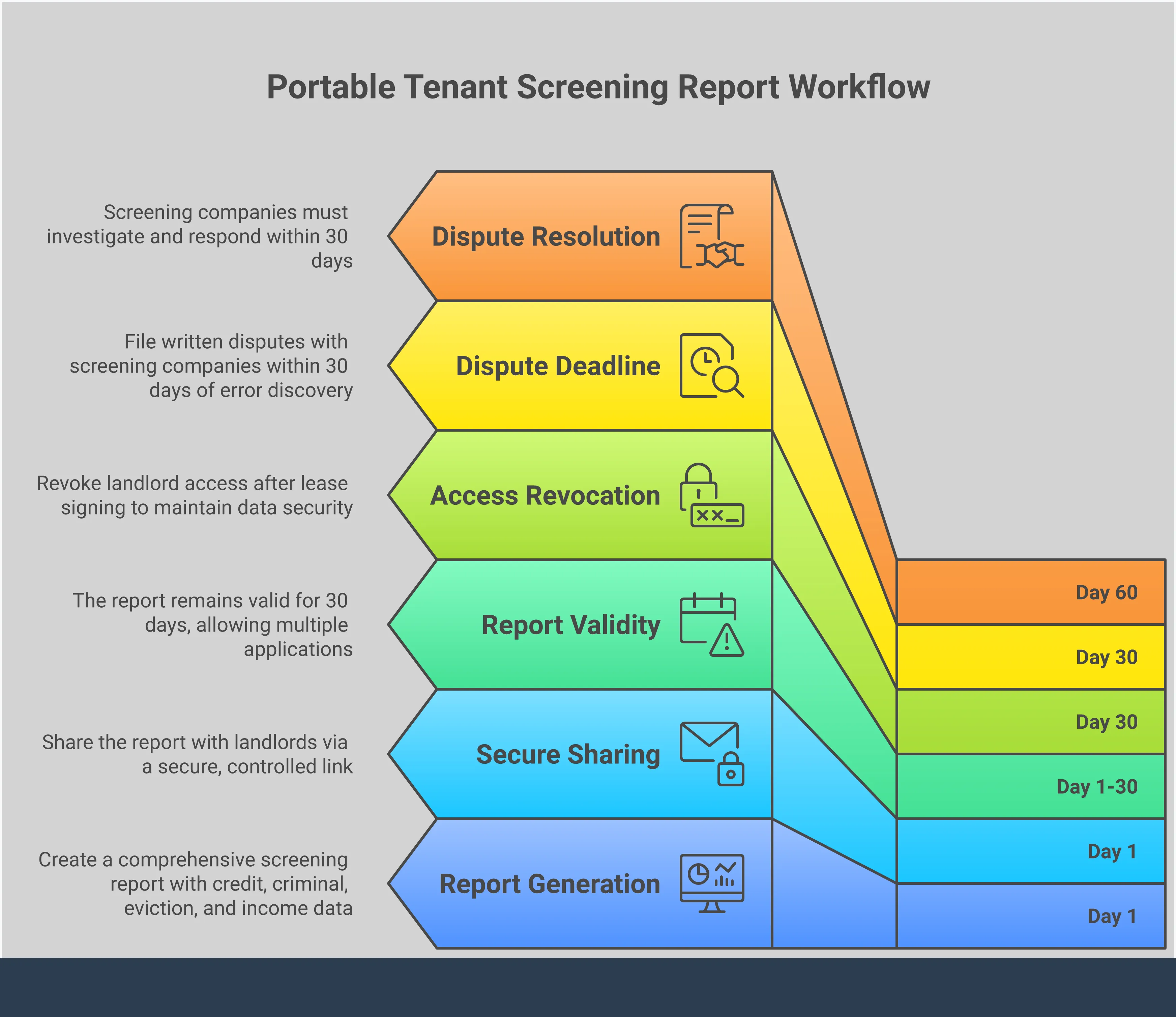
In a fast-moving rental market, you often need to apply to several places at once. Paying separate application and screening fees for each one adds up quickly. This is where a Portable Tenant Screening Report (PTSR) changes the game. A PTSR is a reusable report that you can share with multiple landlords, saving you both time and money. Instead of filling out new background checks for every apartment, you simply provide access to your single, comprehensive report. This lets you move faster on listings you love and shows landlords that you’re a prepared and serious applicant. It’s a smarter, more efficient way to handle your rental search.
Sharing your personal information is a necessary part of renting, but you should always be in control. Using a single, secure screening service means you aren’t sending your sensitive data to dozens of different platforms. With a portable report, you grant and revoke access, so you decide which landlords can see your information and for how long. It’s essential to choose a provider that is compliant with the Fair Credit Reporting Act (FCRA), which ensures your data is handled securely and accurately. This approach protects your privacy and gives you peace of mind knowing your information isn’t floating around unsecured.
Before you start sharing your report, take one last look at it from a landlord’s perspective. If there are any negative marks, like a past late payment or a low credit score, be ready to explain them. It’s always better to address these things upfront. You can prepare a short, honest letter of explanation to submit with your application. This shows landlords that you’re responsible and transparent. Of course, the most important step is to correct any inaccuracies you find. If you’ve already gone through the process to dispute errors on your report, you’ll be applying with the most accurate information possible, which greatly improves your chances of approval.
What’s the difference between a credit report and a full tenant screening report? Think of a credit report as just one chapter of your financial story. A full tenant screening report is the whole book. While your credit report shows your payment history and debts, a screening report also includes a nationwide criminal background check and a search for any past eviction records. Landlords need this complete picture to understand your reliability as a potential tenant, which is why a comprehensive report is so much more powerful than a credit score alone.
Why should I pay for my own report if a landlord is just going to run one anyway? Running your own portable report actually saves you money and puts you in control. Instead of paying a separate application fee, which can be $50 or more, for every single apartment, you pay one flat fee for a report you can share with multiple landlords. It also gives you the crucial advantage of seeing what landlords see before they see it, so you can correct any errors and apply with total confidence.
Will checking my own tenant screening report lower my credit score? No, it won't. When you request your own report through a service like ours, it’s considered a "soft inquiry." Soft inquiries don't affect your credit score at all. They are simply a way for you to review your own information. This is different from a "hard inquiry," which happens when a lender checks your credit for a loan or credit card application and can cause a temporary dip in your score.
What if I know my report isn't perfect? Is it still worth getting? Absolutely. In fact, it's even more important. Knowing about any potential red flags, like a low credit score or a past late payment, allows you to get ahead of the issue. You can prepare a brief, honest letter of explanation to submit with your applications. This transparency shows landlords that you are responsible and aware of your history, which can often make a much better impression than if they discover the issue on their own.
How long does it take to fix a mistake I find on my report? Under the Fair Credit Reporting Act (FCRA), once you file a formal dispute with the screening company, they generally have 30 days to investigate and resolve your claim. This is why it’s so important to review your report before you start your apartment search. Finding and fixing an error ahead of time prevents it from causing delays or denials when you’ve found a place you love.