
Applying for a new apartment often means handing over your sensitive personal information again and again, with little control over who sees it. A new law in Illinois is changing that, putting you firmly in the driver's seat of your rental search. The Illinois reusable tenant screening report is more than just a way to save money on application fees; it’s a tool that gives you complete control over your own data. You get one secure, comprehensive report and decide which landlords get to see it and for how long. This guide explains your new rights and how to use this powerful process.
If you’ve ever searched for a new apartment, you know the routine: find a place you love, fill out an application, and pay a non-refundable fee for a background check. When you’re applying to multiple places, those fees add up fast, turning an exciting search into a costly ordeal. Illinois has introduced a new law to fix this exact problem, making the rental process more efficient and affordable for everyone. The Illinois Reusable Tenant Screening Report, also known as a Portable Tenant Screening Report (PTSR), is a single, comprehensive screening report that you can purchase once and use for multiple rental applications.
This new system is designed to save you significant time and money. Instead of paying a new fee to every landlord, you can get one report and share it with as many properties as you like within a 30-day period. For landlords, it streamlines their process by providing a standardized, reliable report from a trusted source right from the start. It’s a practical solution that removes a major point of friction from the rental journey. This change simplifies one of the most stressful parts of moving and creates a more transparent system for both renters and property owners.
The main goal behind the Illinois Reusable Tenant Screening Report law is to ease the financial pressure on renters. The state recognized that paying for separate screening reports for every potential home was a significant barrier for many people. This law aims to help prospective tenants save on application fees by allowing them to use one report for all their applications within a 30-day window.
By creating a standardized, portable report, the law also makes the application process more transparent and fair. It ensures that the information landlords receive is consistent and comes from a verified consumer reporting agency. This includes all the essentials: your credit history, criminal background, eviction records, and income verification. Ultimately, it’s about making the rental market more accessible for tenants while maintaining a reliable screening process for landlords.
Mark your calendars: this new law takes effect on January 1, 2025. Starting on this date, the law mandates that landlords in Illinois must accept a valid reusable tenant screening report from a prospective tenant. If you provide a complete report that meets the landlord's criteria, they are prohibited from charging you an application or screening fee.
So, what makes a report valid? It must be prepared by a consumer credit reporting agency within the last 30 days and include your name, contact information, proof of income, and eviction history, along with the date the information is current through. As a renter, it’s your responsibility to ensure the report is complete before sharing it. For landlords, this means adapting your process to accept these reports and forgoing your usual fee when a compliant one is presented.
The Illinois reusable tenant screening report creates a straightforward and fair process for both renters and landlords. Instead of filling out a new application and paying a new fee for every apartment, renters can now use a single, comprehensive report for multiple applications. For landlords, it means receiving pre-vetted, detailed information from serious applicants. The system is designed to be efficient, transparent, and secure, saving everyone time and money. Let’s break down exactly how it functions from each perspective.
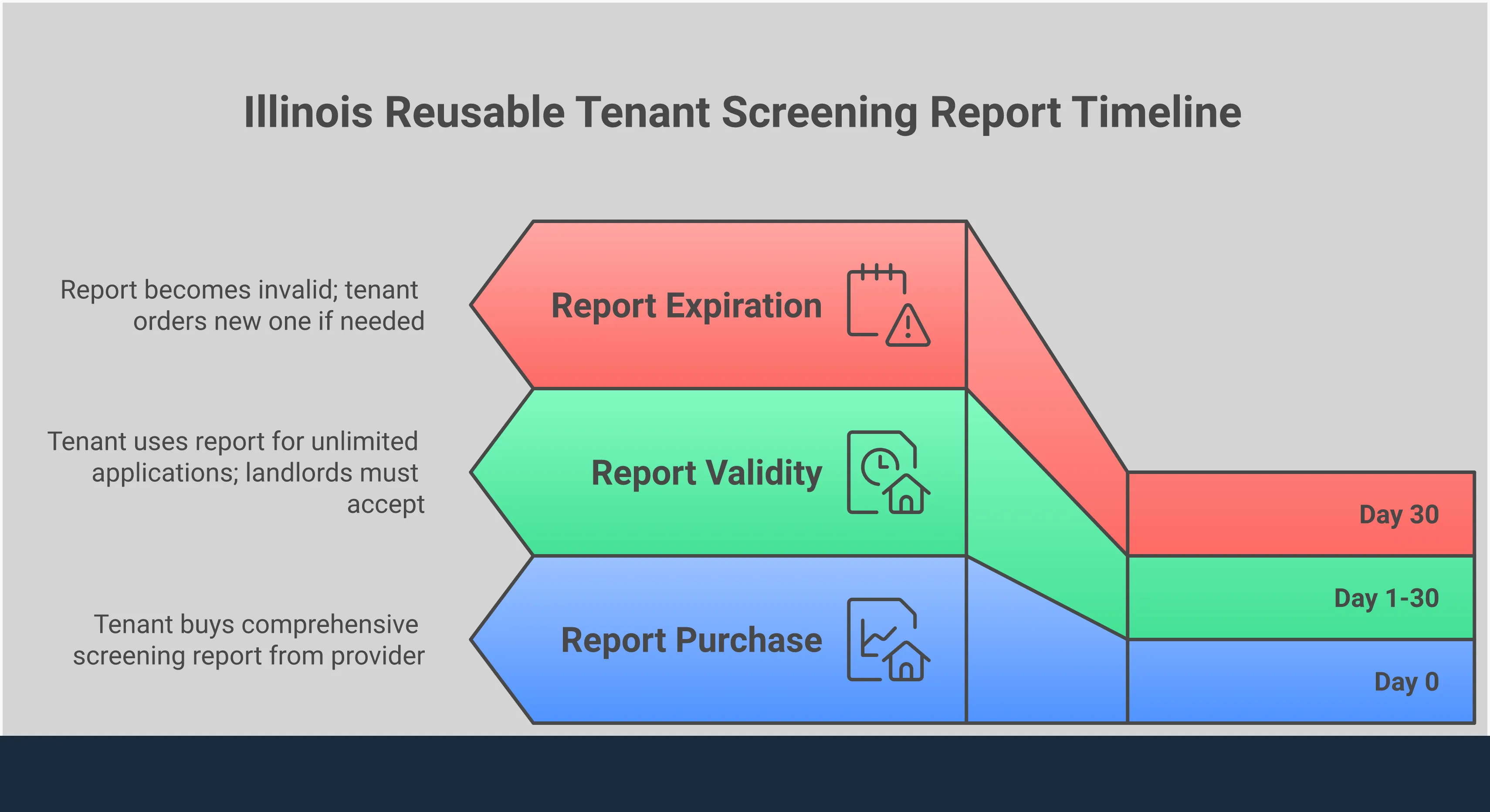
As a renter, the process puts you in control. Your first step is to get your reusable report from a trusted screening company. This report will include your background information, credit history, and rental history, giving landlords a complete picture. Once you have your report, you can use it for as many rental applications as you like within a 30-day period. This means you no longer have to pay separate screening fees for every place you apply to. You simply provide your secure report to any prospective landlord, streamlining your apartment hunt and keeping your costs down.
If you’re a landlord in Illinois, the law requires you to accept a valid PTSR from any applicant. When a potential tenant provides you with one, you cannot charge them an application or screening fee. This new process helps you attract serious applicants who have already taken the step to get their screening done. You can still do your due diligence; the law allows you to ask the applicant to certify that no significant information, like their income or employment, has changed since the report was created. This ensures you have current, reliable information to make your decision. Following this guidance for landlords keeps you compliant and simplifies your screening.
The key to the Illinois PTSR is its 30-day validity period. A report is considered valid and reusable for 30 days from the date it was issued. During this window, a renter can share their report with an unlimited number of landlords, and landlords must accept it without charging additional fees. This timeframe ensures the information, such as credit and criminal history, is recent and relevant. For renters, paying a one-time fee for a report that lasts a full month makes apartment hunting in a competitive market much more manageable and affordable. After 30 days, the report expires, and a new one would be needed for future applications.
So, what exactly does an Illinois Portable Tenant Screening Report (PTSR) contain? Think of it as a complete, standardized rental resume that gives landlords a clear and consistent picture of who you are as an applicant. Instead of you filling out different forms and paying for separate checks at every apartment you see, the PTSR bundles everything into one secure, reusable document. This report is designed to include all the essential information a landlord needs to make a confident decision, covering your financial standing, rental background, and personal identity.
The goal is to create a transparent and efficient process for everyone. For you, the renter, it means you control your information and save money. For landlords, it means they receive a comprehensive, verified report that meets all legal requirements. A PTSR from a trusted provider like Portable Tenant gives both parties peace of mind. It’s a single source of truth that streamlines the entire application journey. The report is broken down into three main categories: your credit and financial history, your rental and eviction records, and your background and identity checks. Let's look at what each of these sections includes.
This part of the report gives landlords a snapshot of your financial responsibility. It features a full credit report from a major bureau like Experian, which includes your credit score. This score helps a landlord understand how you’ve managed financial obligations in the past. Beyond the score, this section also includes income verification to confirm that you can comfortably afford the rent. By providing a clear view of your financial health, this part of the PTSR helps build trust and shows a landlord that you are a reliable applicant who is likely to pay rent on time, every time.
Your history as a renter is one of the most important factors for a landlord. This section of the PTSR details your past addresses and, crucially, includes a nationwide eviction search. It shows a landlord your track record and helps them gauge your reliability as a tenant. The Illinois law also requires that the report clearly states when the information was last updated, so the landlord knows they are looking at current data. This verified rental history gives property managers the context they need to assess your application fairly and understand your experience as a tenant in previous homes.
Finally, the PTSR includes checks to verify your identity and ensure community safety. The report will contain your full name, date of birth, and contact information, confirming that you are who you say you are. It also includes a nationwide criminal background check. This comprehensive screening is a standard part of the rental process and provides an essential layer of security for the property owner and other residents. By packaging these checks into one compliant report, the PTSR makes the process straightforward while ensuring all necessary verifications are completed thoroughly and securely.
The shift to portable tenant screening reports in Illinois is a huge win for both renters and landlords. This new approach is designed to make the entire rental application process smoother, more affordable, and much more efficient. Instead of starting from scratch with every new application, a single, comprehensive report can be used multiple times. This saves everyone time, reduces administrative headaches, and cuts down on unnecessary costs. It’s a modern solution that addresses some of the most common frustrations in the rental market, creating a more transparent and streamlined system for finding your next home or your next tenant.
For renters, the competitive rental market often feels like a race against time and money. Juggling multiple applications and paying separate screening fees for each one can be exhausting and expensive. The reusable report puts you back in control, allowing you to apply for several properties with one document. For landlords and property managers, the benefits are just as significant. You can fill vacancies faster by receiving standardized, easy-to-read reports from applicants. This consistency removes guesswork and helps you make fair, informed decisions quickly. It’s a simple change that fosters a more positive and professional relationship between landlords and potential tenants from the very first interaction.
If you’re a renter, you know how quickly application fees can add up. Paying $30, $40, or even $50 for every single apartment you’re interested in is a major financial hurdle. The Illinois reusable screening report law was created to solve this exact problem. Now, you can purchase one detailed screening report and share it with multiple landlords as you apply for different properties. This means you can say goodbye to paying repeated fees, making your apartment search much more affordable. This process not only saves you money but also speeds things up, since you’ll have your report ready to go. Understanding how it works is the first step toward a smarter, more cost-effective apartment hunt.
For landlords, a streamlined process means you can fill vacancies faster with qualified tenants. While a new law can seem like another rule to follow, this one simplifies your workflow. When a prospective tenant provides you with a valid portable screening report, you get a consistent, comprehensive look at their background, credit, and rental history all at once. Under the law, you must accept a report that is less than 30 days old without charging the applicant an additional fee. This creates a more positive experience for applicants and ensures you receive standardized, easy-to-review information. Our platform for landlords offers more details on how to integrate this simple process into your leasing operations.
Ultimately, reusable screening reports mean less administrative work for everyone. Renters no longer have to fill out the same personal information on countless different application forms. You get one secure, thorough report and control who sees it. For landlords and property managers, this system cuts down on the time spent processing individual screening requests and managing stacks of paperwork. With one clear, verifiable report per applicant, you can make informed decisions more quickly and confidently. This efficiency helps create a rental market that is less about tedious paperwork and more about connecting great tenants with great homes.
Adapting to new rental laws can feel like a chore, but Illinois' move toward portable tenant screening reports is designed to make life easier for everyone, including you. Understanding your responsibilities under the new law is the key to a smooth and compliant leasing process. It all comes down to a few simple principles: knowing when you have to accept a report, what you can (and can’t) charge for, and how to properly verify the information you receive.
Think of it as a simple checklist for your application process. When a potential renter hands you a reusable report, you’ll know exactly what to do. This guide will walk you through the essential steps to confidently handle these reports, ensuring you follow the law while still protecting your property and business interests. By getting a handle on these rules now, you can avoid potential headaches and create a more efficient system for filling your vacancies. Let’s get into what you need to know to stay compliant.
The biggest change for Illinois landlords is that accepting a portable tenant screening report is no longer optional. Under the new law, if a prospective tenant provides you with a valid and complete report, you are required to accept it. This means you can't insist they pay for and use your specific screening service if they already have a compliant report in hand. The report must have been generated within the last 30 days and include all the necessary information, like a credit check, eviction history, and criminal background check. This requirement helps streamline the application process for renters and ensures a consistent standard for the information you receive.
The new law directly impacts application fees. If a tenant provides a valid portable screening report, you cannot charge them an application fee. The purpose of this rule is to prevent renters from paying multiple fees for background checks when applying for different properties. However, this doesn't mean you can never charge for screening. If an applicant does not provide their own report, you can still charge a fee to cover the cost of running your own background and credit checks, just as you did before. The key is that the fee must be waived when a compliant report is presented.
Your main responsibility is to ensure the report you receive is legitimate and current. First, always check the date to confirm it was issued within the last 30 days. Next, review the contents to make sure it’s complete and meets your screening criteria. A trusted provider like Portable Tenant makes this easy by delivering comprehensive, Experian-powered reports directly to you. The law also allows you to ask the applicant to certify that no significant information, like their income or employment, has changed since the report was created. This simple verification step helps you protect your investment while remaining fully compliant with Illinois law.
Getting your reusable tenant screening report is a straightforward process that puts you in control of your rental search. Instead of filling out a new application and paying a fee for every apartment you like, you get one comprehensive report to share with multiple landlords. Think of it as your rental passport. Here’s how you can get yours in three simple steps.
First, you’ll need to select a company that provides reusable screening reports. It’s important to choose a trusted provider that follows the rules set by the Fair Credit Reporting Act (FCRA). This ensures your personal information is handled securely and the report is accurate and compliant with state law. A qualified provider will generate a comprehensive report that landlords can trust. At Portable Tenant, we specialize in creating secure, reusable reports that you control. Our process is designed to be simple for renters and fully compliant for landlords, making your apartment hunt smoother from the start.
To generate your report, you'll need to provide some basic personal information. Having these details ready will make the process quick and easy. You should be prepared to share your full name, date of birth, and current contact information. The report will also typically include your rental history, last known address, and proof of income to verify you can afford the rent. This information is used to compile your credit, criminal, and eviction histories into one secure document. Gathering everything beforehand means you can get your report generated without any delays and start applying for apartments right away.
One of the biggest benefits of a reusable report is the cost savings. Instead of paying a separate application fee for each property, you pay a single fee for a report you can use for 30 days. In Illinois, these reports generally cost between $25 and $60. Once you purchase your report, it’s valid for 30 days, giving you a full month to share it with as many landlords as you need. This one-time fee covers everything, from the credit check to the eviction history. It’s a smart way to manage your budget during your apartment search, saving you both time and money.
Any new law comes with a learning curve, and Illinois's move to reusable tenant screening reports is no exception. Whether you're a renter excited to save on fees or a landlord adapting to new rules, you probably have a few questions. Let's clear up some of the most common ones so you can feel confident about this new process.
One of the biggest concerns with any screening report is accuracy. The great thing about a PTSR is that you, the tenant, get to see it first. This gives you a chance to review all your information and correct any errors before sharing it with a potential landlord. For landlords, this process provides an extra layer of confidence. While you can't run a new report if the tenant provides a valid one, you can ask them to confirm that key details, like their income or employment, haven't changed since the report was generated. This simple step helps ensure the information you're basing your decision on is still relevant and up-to-date.
A Portable Tenant Screening Report is a comprehensive background check that the tenant orders, not the landlord. Because several different companies provide these reports, you'll notice they don't all look the same. Don't let different layouts throw you off. As long as the report comes from a reputable consumer reporting agency and includes all the legally required information (like credit, eviction, and criminal history), it's valid. The key is to focus on the substance of the report, not the specific design. This new addition to the Landlord and Tenant Act is about standardizing the information, not the formatting.
The biggest adjustment for everyone is the shift in the application workflow. As of January 1, 2025, Illinois tenants can use a single screening report for multiple applications, as long as it was generated within the last 30 days. For landlords, the most important change is financial. If a prospective tenant gives you a qualifying PTSR, you cannot charge them an application fee. This might feel like a big change, but it ultimately simplifies the process by reducing your administrative tasks. It's a streamlined approach that, once adopted, saves time and paperwork for both you and your potential tenants.
This new law isn't just about convenience; it's about giving you specific rights as a renter. Understanding these protections helps you apply for apartments with confidence, knowing the process is fair and secure. From saving money on fees to controlling your personal data, here’s what you need to know.
The most significant change this law brings is financial relief. You no longer have to pay separate application fees for every apartment you like. As of January 1, 2025, if you give a landlord a valid reusable screening report that is less than 30 days old, they cannot charge you an application fee. This puts money back in your pocket. For this to apply, the landlord must be able to access your report at no cost, which is how services for landlords are designed to work. This protection lets you focus on finding the right home, not on how many fees you can afford.
Your screening report needs to be accurate, and you have the right to dispute any incorrect information. Providers of portable tenant screening reports must follow the Fair Credit Reporting Act (FCRA), which gives you the power to review your information and request corrections. Before sharing your report, look it over carefully. If you spot an error, like a debt that isn't yours, contact the screening provider to start the dispute process. A clean, accurate report is your best tool for securing your next home, and our process makes it simple to get and review your information.
Sharing sensitive information can feel risky, but this law prioritizes your privacy. You have the right to control your personal data. When you use a trusted provider, your information is protected with bank-level security. Instead of giving your details to multiple landlords, you share a secure link to your report. You decide who sees it and can revoke access at any time. This modern approach to tenant screening means your data stays in your hands, giving you peace of mind throughout your apartment search.
As a landlord, can I still deny an applicant based on the information in their portable report? Absolutely. This law changes the application process, not your screening criteria. You still have the right to approve or deny applicants based on your established, non-discriminatory standards for income, credit history, and rental background. The portable report simply provides this information in a standardized format; how you interpret that information to make your decision remains your professional judgment.
What happens if my report expires after 30 days but I'm still apartment hunting? The 30-day window is designed to ensure the information landlords receive is current. If you're still searching for a home after your report expires, you will need to purchase a new one. The good news is that getting an updated report is just as quick and easy as the first time, and it gives you another full month to continue your search with a fresh, valid document.
Does this law apply to all landlords in Illinois, including small, independent ones? Yes, the law applies to landlords throughout Illinois, regardless of the size of their operation. Whether you're applying to a large apartment complex managed by a property company or a single unit owned by an individual, they are required to accept your valid reusable screening report and waive their application fee starting January 1, 2025.
What if a landlord insists I pay their application fee even though I have a valid report? If this happens, you can politely inform the landlord or leasing agent about the new Illinois law. You can explain that you are providing a compliant report that is less than 30 days old, which, under state law, means they cannot charge you an additional application or screening fee. Having a link to the law on your phone can be a helpful, non-confrontational way to clarify the new rules.
Can I choose which sections of my report to share with a landlord? The report is designed to be a complete and transparent package, so you cannot share it in sections. Landlords need to see the full picture, including your credit, criminal, and eviction histories, to make a fair and informed decision. While you can't hide certain parts of the report, you maintain full control over which landlords receive access to the entire document.