
There’s a lot of misinformation out there about eviction records. Many landlords mistakenly believe an eviction will appear on a standard criminal background check, or that it’s perfectly safe to have a strict "no evictions, no exceptions" policy. These common myths can lead to incomplete screenings and serious legal risks. The truth is, evictions are civil matters, and how you use that information is regulated by fair housing laws. To screen effectively, you need to separate fact from fiction. This landlord guide to eviction history checks will debunk the most common myths and give you a clear, actionable framework for reviewing an applicant's rental history with accuracy and confidence.
An eviction check is a key part of the tenant screening process that shows a landlord if a potential renter has a history of being legally removed from a property. It’s important to understand that an eviction isn’t just a landlord asking someone to move out. It’s a formal legal action that goes through the court system, resulting in a court order. This typically happens when a tenant breaks the terms of their lease, most commonly by not paying rent. For landlords, reviewing an applicant's eviction history provides a glimpse into their past rental behavior and helps you make a more informed leasing decision. It’s one of the most direct ways to assess the potential risk of a new tenancy and protect your property from future complications.
A common point of confusion for landlords is the difference between eviction and criminal records. Here’s the simple breakdown: evictions are civil matters, not criminal ones. This means an eviction filing will appear in civil court records, which are completely separate from a standard criminal background check. So, if you only run a criminal check, you could miss a critical piece of an applicant's rental history. To get a comprehensive view of a potential tenant’s reliability, you need a screening service that specifically searches for and includes civil eviction records in its reports.
Running an eviction check is one of the most important steps you can take to safeguard your rental investment. A past eviction can be a red flag for serious issues, like a history of non-payment or a disregard for lease rules. The financial fallout from a single eviction can be staggering, often costing landlords between $3,500 and $10,000. That figure isn't just about lost rent; it also includes legal fees, court costs, potential property repairs, and the expense of finding a new, reliable tenant. By checking for evictions upfront, you can significantly reduce the risk of facing these costly and stressful situations down the road.
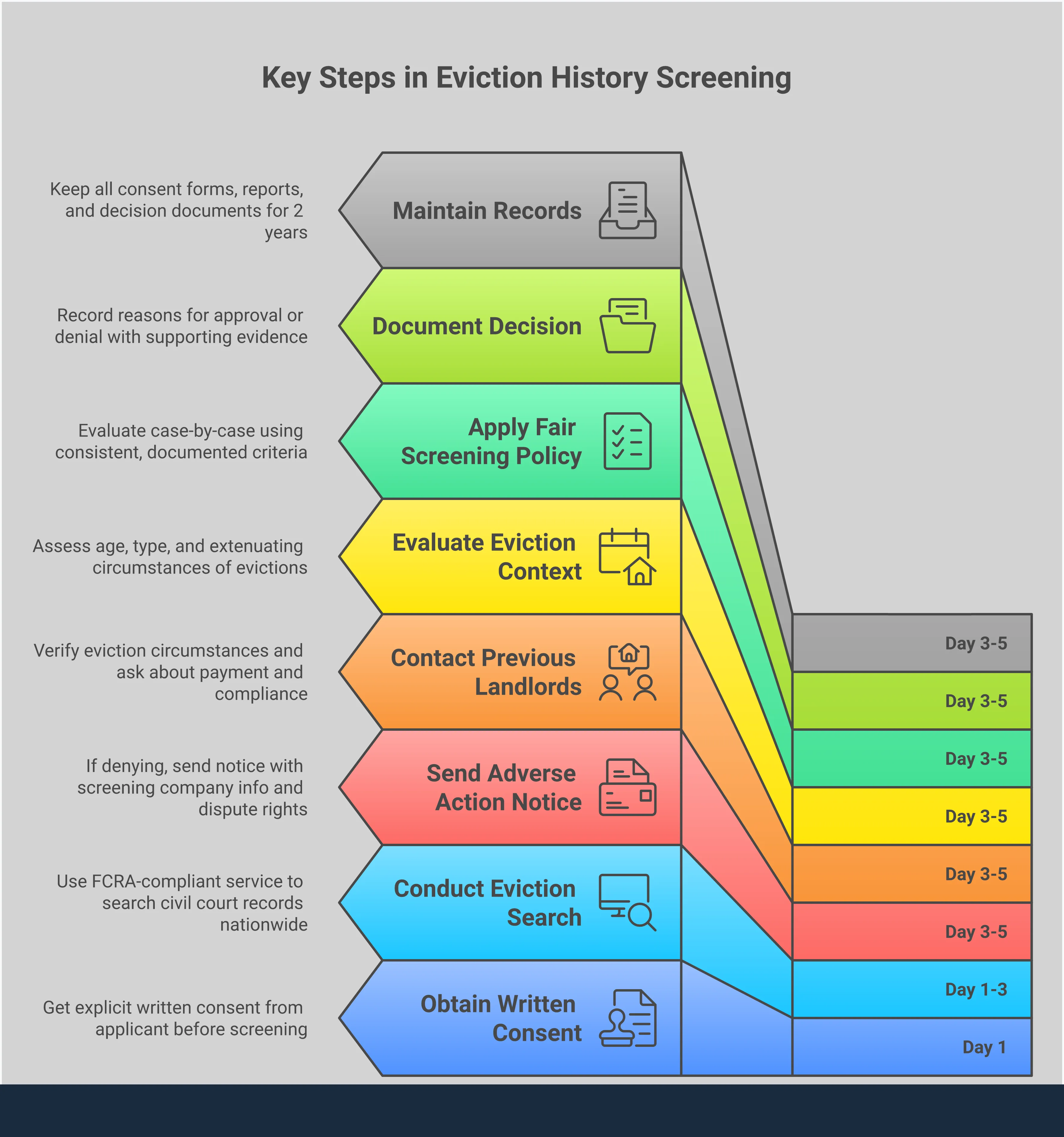
When you run an eviction check, you’re not just getting a simple "yes" or "no." You're accessing a detailed history compiled from official sources. Understanding where this information comes from and how it’s gathered helps you make sense of the report and use it effectively. The process is designed to be fast and accurate, giving you the information you need to protect your investment while treating applicants fairly. It’s a key part of a consistent screening process that keeps your rental business running smoothly.
Eviction information comes directly from public court records. When a landlord files an eviction lawsuit (also known as an unlawful detainer action) against a tenant, it creates a public record, regardless of the outcome. These records contain more than just cases of unpaid rent. They can also reveal issues like significant property damage, lease violations, or unauthorized occupants. This data is crucial for identifying patterns and spotting potential red flags that might not show up in a standard credit check. By reviewing these official records, you get a clearer picture of an applicant's rental past.
Most landlords partner with a tenant screening service to access eviction data. Instead of you having to search through countless county court databases, these services do the heavy lifting. They pull eviction filings and judgments from thousands of city, county, and state court systems across the country. A comprehensive tenant screening report combines this eviction history with other essential checks, like credit reports and criminal background searches. This gives you a complete view of an applicant’s history in one organized, easy-to-read report, saving you time and effort.
With modern screening services, eviction checks are incredibly fast, often delivering results instantly. The accuracy of a report depends on the quality of the service. The best providers pull information directly from court systems nationwide, ensuring the data is up-to-date and comprehensive. A nationwide search is far more effective than a local one, as it can uncover eviction filings from other states. This is essential for protecting your property from applicants who may have a problematic rental history in a different area. A reliable report gives you confidence that you’re making decisions based on complete and accurate information.
An eviction report is much more than a simple "yes" or "no." It’s a detailed summary of official court records related to landlord-tenant disputes. Think of it as a window into an applicant's rental history, showing you not just the outcome, but the entire story of a legal filing. Understanding these details helps you make a fair and well-informed decision for your property.
These reports pull public information directly from thousands of city, county, and state court systems. A comprehensive report gives you the context you need to assess risk accurately. It can uncover a history of lease violations, significant property damage, or unauthorized occupants, offering a clearer picture than a credit score alone. With a portable tenant screening report, you get a consistent and thorough look at this history, all while ensuring the process is fair to the applicant. It’s about gathering the right information so you can find a reliable tenant and protect your investment.
When you look at an eviction report, you’ll see the core facts of the court filing. The report will identify the landlord as the "Plaintiff" and the tenant as the "Defendant," along with the specific court case number and location where the action was filed. It’s important to distinguish between an eviction filing and an eviction judgment. A filing simply means a landlord started the legal process. The case could have been dismissed, settled, or filed in error. A judgment, on the other hand, means a court officially ruled that the tenant violated the lease, which is a more serious red flag for any landlord or property manager.
The "judgment" or "disposition" section of the report tells you how the case ended. This is where you’ll find out if the landlord won possession of the property, meaning the tenant was legally required to move out. It will also show if a monetary judgment was awarded to the landlord to cover things like unpaid rent or damages. An eviction filing can often be an early warning sign, appearing on a report before late payments have a chance to impact an applicant's credit score. Considering a single eviction can cost a landlord thousands in lost rent and legal fees, having this financial context is incredibly valuable.
To ensure you’re looking at the right person, an eviction report includes key identifying information. You’ll see the full property address where the dispute occurred, along with the names of both the landlord and the tenant involved in the case. In legal terms, these cases are often called "unlawful detainer" actions. A thorough screening service will conduct a nationwide search rather than just a local one. This is critical because an applicant could have an eviction history in a different city or state, which a limited search would easily miss. This broad approach ensures you have a complete view of their rental past.
Once you have an applicant’s consent, you have a few different avenues for checking their eviction history. Each method varies in cost, effort, and reliability. Using a dedicated screening service is often the most efficient and accurate way to get a complete picture, but it’s helpful to understand all your options before you begin.
The easiest way to get a comprehensive look at an applicant’s background is with a portable tenant screening report. These services pull eviction data directly from court records and package it with other essential checks, like credit and criminal history. A portable report is initiated by the renter, which means they provide consent upfront and have full control over their personal information.
This approach saves you time and administrative work. Instead of running a separate check for every applicant, you receive a complete, standardized report that the renter can share with multiple landlords. It’s a compliant, secure, and efficient way to get the information you need while providing a better experience for your potential tenants.
Beyond portable reports, numerous online screening services can check for eviction records. These platforms compile public records from various jurisdictions into a single report. While convenient, it’s important to verify that an eviction history check is included in the specific package you choose, as offerings can vary widely between providers.
Most tenant background checks will include eviction history, but it's always best to confirm. These tools are a solid alternative to manual searches, but they often lack the renter-centric benefits of a portable report. Remember that any third-party screening service you use must comply with the Fair Credit Reporting Act (FCRA), which governs how consumer information is collected and used.
If you prefer a more hands-on approach, you can search public court records yourself. This typically involves visiting the local courthouse in person or searching for an online database for the relevant county or state. While this method is often low-cost or free, it can be time-consuming and may not provide a complete picture.
Public records can be tricky. A simple misspelling of a name could cause you to miss a relevant file, and some cases may be sealed or otherwise unavailable. You would also need to search records in every jurisdiction the applicant has lived in, which can quickly become complicated. For these reasons, most landlords find that using a professional screening service is a more reliable and efficient choice.
Finding an eviction on an applicant's record can feel like a major red flag. But it doesn't have to be an automatic "no." Instead of immediately disqualifying the applicant, it's better to treat the eviction as an important piece of a larger puzzle. A thorough and fair evaluation process protects your investment while also giving qualified applicants a fair shot. By looking at the full picture, you can make a confident decision based on a complete understanding of the applicant's history and current situation. The key is to dig a little deeper into the details.
Just seeing an eviction record doesn't tell you the whole story. It’s important to understand the circumstances that led to it. Was it the result of a sudden job loss, a medical emergency, or a roommate who failed to pay their share of the rent? Understanding why it happened provides crucial context. Some situations are temporary setbacks, not indicators of a habitually irresponsible tenant. If your screening process allows for it, you can ask for more information or a letter of explanation to get a clearer picture of what happened and what the applicant has done to resolve the situation since.
Not all evictions carry the same weight. A recent judgment is usually more concerning than one from many years ago. A single eviction from five or six years ago, followed by a consistent, positive rental history, suggests the issue was an isolated incident. On the other hand, multiple evictions over a short period could indicate a pattern of instability. Consider how old the eviction is and what the applicant's record looks like since then. Time can be a great indicator of whether an applicant has overcome past financial difficulties and established a more stable foundation.
An eviction should be considered alongside every other piece of information you have. Look at the whole application, including their current income, credit history, and references from other landlords. A strong application in other areas might outweigh a past eviction, especially if it was long ago or had extenuating circumstances. Using a comprehensive tenant screening report gives you all this data in one place, making it easier to see the complete picture. Always apply your screening criteria consistently to every applicant to ensure you are following all fair housing laws.
Running an eviction history check is a smart move, but it’s not something you can do without following a few important rules. Think of it this way: you’re handling sensitive information that can significantly impact someone’s ability to find housing. Because of this, federal and state laws are in place to protect both you and the applicant. Getting these rules right isn't just about being fair; it's about protecting your business from potential lawsuits and fines.
The good news is that the legal side of screening is straightforward once you know the key requirements. The main regulations fall under the Fair Credit Reporting Act (FCRA), which governs how consumer information, including eviction records, can be used. Following these guidelines ensures your screening process is both effective and compliant. Let’s walk through the three most important legal steps you need to take every time you screen a potential tenant.
First things first, you need to understand that eviction reports are considered "consumer reports" under the Fair Credit Reporting Act (FCRA). This means landlords must follow a specific set of rules when using them to evaluate an applicant. The FCRA was designed to promote accuracy, fairness, and privacy of information in the files of consumer reporting agencies.
For you, this means you have legal obligations when you use a screening report to make a decision. You can’t just pull a report and use it however you want. You must have a legally permissible purpose, like evaluating a rental application. Using a professional, compliant service is the easiest way to make sure you’re meeting these requirements, as they are built to operate within the FCRA’s framework.
This one is non-negotiable. You must get written permission from an applicant before running an eviction check. This isn’t a box they can tick at the bottom of a long application; the law requires this consent to be clear and explicit, often in a separate document. This ensures the applicant knows exactly what you are checking and has formally agreed to it.
Having this signed consent on file is your proof that you’ve followed the rules. It protects you legally and establishes a transparent relationship with your applicant from the start. When you use a service like Portable Tenant, the renter initiates the screening and shares their report directly, so consent is built right into the process, simplifying compliance for you.
What happens if you decide to deny an applicant based on their eviction history? The FCRA requires you to take one more step: sending an adverse action notice. An "adverse action" is any negative decision you make based on information in a consumer report. This includes not only denying their application but also requiring a co-signer or charging a higher security deposit.
If you take any of these actions, you must notify the applicant. This notice needs to include the name and contact information of the screening company that provided the report, a statement that the screening company didn’t make the decision, and information on their right to get a free copy of the report and dispute any inaccurate information. This gives the applicant a fair chance to see the information and correct any potential errors.
When you’re screening tenants, an eviction record can feel like a major red flag. But there’s a lot of misinformation out there that can lead to snap judgments and even legal trouble. Understanding the truth behind these common myths helps you make fairer, smarter decisions for your rental property. A nuanced approach not only protects you from liability but also opens the door to potentially great tenants who might have a complicated rental history. Let’s clear up a few things.
It’s tempting to see an eviction and immediately move an application to the “no” pile. But a single court record rarely tells the whole story. An eviction from five years ago caused by a sudden job loss is very different from a recent one for property damage. Before making a decision, you should always evaluate the context. Consider how old the eviction is and the reason behind it. A comprehensive screening report for landlords gives you a fuller picture, allowing you to weigh the eviction against the applicant’s other qualifications, like steady income and positive references.
This is a common point of confusion. Evictions are civil proceedings, not criminal ones. A standard criminal background check won’t show you if an applicant has been evicted because it pulls from different databases. To find eviction history, you need a report that specifically searches civil court records. This is why using a dedicated tenant screening service is so important. It ensures you’re accessing the right information to properly assess an applicant’s rental background instead of leaving a critical gap in your review process.
Applying a strict "no prior evictions" rule to all applicants is a risky move. This type of blanket policy can lead to discrimination claims under the Fair Housing Act, as it may disproportionately affect certain protected classes. The best practice is to evaluate each applicant on a case-by-case basis. Instead of automatic denials, create a consistent screening policy that considers the age, reason, and frequency of evictions. This individualized approach is not only fairer to applicants but also provides you with better legal protection. For more details on compliance, our help center is a great resource.
An eviction report can feel like a red flag, but it’s rarely that simple. Instead of viewing it as a final verdict, think of it as the start of a conversation. A comprehensive report gives you the details you need to understand the context behind the record. By digging a little deeper, you can make a fair and informed decision that protects your property while giving a qualified applicant a chance. It’s about moving beyond a pass/fail mindset and getting to know who you’re renting to.
Just seeing an eviction record doesn't always mean you should deny an applicant. It’s important to look at the full story. Life happens, and circumstances like a sudden job loss, a medical emergency, or a divorce can lead to a temporary inability to pay rent. The eviction might also have resulted from a dispute with a previous landlord where the details matter. A comprehensive tenant screening report provides the case details, but it’s up to you to consider the human element behind the data.
Context is everything when you’re reviewing an applicant’s rental history. Is there a single eviction from five years ago, or are there multiple recent filings from different properties? A one-time incident, especially one that’s several years old, may not reflect an applicant's current stability. However, a pattern of recent evictions could signal ongoing issues. A recent judgment is usually more significant than an old one. Your goal is to distinguish between a past mistake and a recurring problem, which is a key part of a consistent screening policy.
If an applicant has an eviction on their record, use it as a chance to learn more. This is your opportunity to open a dialogue and get their side of the story. You can ask direct but respectful questions like: When did this happen? What were the circumstances? What has changed in your situation since then? Talking to the tenant about the eviction shows that you’re thorough and fair. Their answers can provide valuable insight into their responsibility, helping you make a more confident leasing decision while staying compliant with fair housing laws.
Screening for evictions is a crucial step in protecting your property, but it’s easy to make mistakes that could land you in legal trouble or cause you to miss out on a great tenant. A past eviction doesn't always tell the whole story, and how you handle that information matters. By being mindful of a few common pitfalls, you can make your screening process fairer, more effective, and fully compliant. Let’s walk through the key mistakes to sidestep.
It can be tempting to create a simple rule that automatically denies anyone with an eviction on their record. However, this approach is risky and often illegal. A blanket "no eviction" policy can be seen as discriminatory and doesn't account for individual circumstances. Instead, you should look at each applicant's situation on a case-by-case basis. Consider the details of the eviction, like how long ago it happened and the reason behind it. A single eviction from five years ago due to a temporary job loss is very different from multiple recent evictions for property damage. A thorough eviction history report provides the context you need to make a more informed and fair decision.
An eviction report gives you important data, but it’s only one part of the picture. To truly understand an applicant's rental history, you need to verify the information by contacting their previous landlords. This step is critical for confirming whether the tenant consistently paid rent on time, followed the lease terms, and took good care of the property. Asking the right questions of a previous landlord can clarify the circumstances of an eviction or reveal a positive rental history that outweighs a single past issue. This conversation provides valuable context that you simply can't get from a report alone.
Above all, your screening process must comply with the Fair Housing Act and any local regulations. This means applying your rental criteria consistently and equally to every single applicant. Your decision to approve or deny a tenant should never be influenced by protected characteristics like race, religion, national origin, or family status. Having a standardized screening process helps ensure you are being fair and objective. Effective tenant screening strategies are always built on a foundation of legal compliance, which protects both you and your potential tenants from discrimination and legal disputes. When in doubt, always review fair housing guidelines.
Screening for evictions isn't just about spotting potential issues; it's about building a fair, consistent, and legally sound process that protects your property and respects applicants' rights. Adopting a set of best practices helps you make informed decisions, find great tenants, and operate your rental business with confidence. By creating a clear and repeatable system, you can secure reliable tenants, ensure the longevity of your rental business, and maintain the value of your property investment. A thoughtful approach to screening minimizes risk while upholding your responsibilities as a landlord. It’s about looking at the complete picture an applicant presents, not just a single data point from their past. This means understanding the story behind the data and making decisions based on a holistic view of their rental history. By focusing on consistency, thorough documentation, and a balanced perspective, you can create a process that is both effective and equitable for everyone involved. This approach not only helps you comply with complex housing laws but also builds a positive reputation as a fair and professional landlord, attracting higher-quality applicants in the long run. The following practices will guide you in developing a screening strategy that is robust, fair, and legally compliant.
The cornerstone of any fair screening process is consistency. Before you even list your property, you should create a written screening policy with clear, objective criteria and apply it to every single applicant without exception. This policy should outline your requirements for things like income-to-rent ratio, credit history, and, of course, eviction records. For example, you might decide to automatically decline applicants with an eviction judgment within the last three years but consider those with older, satisfied judgments on a case-by-case basis. Having these rules in writing not only simplifies your decision-making process but also serves as your best defense against potential fair housing complaints. It demonstrates that your decisions are based on legitimate business reasons, not personal bias.
Documentation is your best friend in the property management world. From the moment you receive an application, you should keep meticulous records of every step in the screening process. This includes the initial application, the consent form for the background check, the full screening report, notes from conversations with previous landlords, and the final leasing decision. A comprehensive rental history report provides crucial details on past leases, payment patterns, and any lease violations. Keeping these records organized and secure is essential. If an applicant ever questions your decision, you’ll have a complete file demonstrating that you followed a consistent, fair, and well-documented process from start to finish.
While an eviction history is a valid concern, it’s important to balance your risk assessment with fair housing principles. Instead of implementing a blanket policy that rejects anyone with an eviction, take a more nuanced approach. Consider the context: When did the eviction happen? Was it a single incident during a difficult time, or is there a pattern of non-payment? Contacting a prior landlord is a critical step in this process. Verifying the details helps you understand if the applicant has since maintained a good rental history. Using a comprehensive and compliant screening service gives you the detailed information you need to evaluate the whole picture, allowing you to make a fair decision that protects your investment while giving qualified applicants a chance.
Is it okay to have a strict "no evictions" policy for all applicants? It's best to avoid a blanket "no evictions" rule. These policies can lead to fair housing complaints because they might unfairly affect certain groups of people. A better approach is to evaluate each applicant individually. Consider how long ago the eviction occurred, the reason for it, and what the applicant's rental and financial history looks like now. This case-by-case method is fairer and provides you with better legal protection.
How is an eviction check different from a criminal background check? This is a great question because it's a common point of confusion. Evictions are civil matters, not criminal ones, so they show up in completely different public records. A criminal background check will not show you an applicant's eviction history. To get a complete view of a potential tenant's background, you need a comprehensive screening report that specifically includes a search of civil court records for eviction filings.
What should I do if I deny an applicant because of their eviction history? If you decide to deny an applicant based on information in their screening report, including an eviction, you are legally required to send them an "adverse action notice." This letter informs them of your decision and provides the name of the screening company you used. It also explains their right to see a copy of the report and dispute any inaccurate information. This is a key requirement under the Fair Credit Reporting Act (FCRA).
Does an eviction filing always mean the tenant was in the wrong? Not necessarily. An eviction report shows both filings and judgments. A filing simply means a landlord started the legal process, but the case could have been dismissed, settled, or even filed by mistake. A judgment, on the other hand, means a court ruled in the landlord's favor. It's important to look at the final outcome of the case to understand the full story.
How far back does an eviction check typically go? The Fair Credit Reporting Act (FCRA) generally limits reporting on civil judgments, including eviction judgments, to seven years. However, eviction filings that did not result in a judgment may be reported for longer depending on state laws and the screening provider's policies. A comprehensive report will give you a clear view of an applicant's recent and relevant rental history within these legal timeframes.