
Your social security number, your credit score, your address history—you hand over a lot of sensitive information when you apply for a rental. But what happens to that data? In the traditional rental process, it’s sent to national tenant information services that create a detailed report for the landlord, often without you ever seeing it. This leaves you with little control over your own personal information. This system is changing. It’s time to understand how these screening services operate, what your rights are regarding your data, and how new, modern approaches are putting power back into the hands of renters, making the process more transparent for everyone.
When you apply for an apartment, landlords need a reliable way to understand if you’d be a good fit for their property. This is where national tenant information services come in. Think of them as specialized companies that help property owners and managers make informed decisions by providing detailed background information on potential renters. A well-known example is the National Tenant Network (NTN), which has been offering these services for decades.
These organizations gather data from various sources to create a comprehensive profile of an applicant. The goal is to give the landlord a clear picture of your financial responsibility and rental history. By using these tools, landlords aim to find dependable tenants who will pay rent on time and take care of the property. While this process is standard in the industry, it’s also one that has a major impact on your housing journey. Understanding how these services operate is the first step toward a smoother, more transparent rental experience.
Tenant screening is the formal process landlords use to evaluate a rental applicant. It’s essentially a background check tailored for the rental market. Before a landlord can run a screen, they must get your written consent to do so. Once you give them the green light, they use a screening service to look into your credit history, public records, and past rental experiences.
The main reason landlords conduct these screenings is to minimize risk. They’re looking for red flags that might signal future issues, like a history of late payments, property damage, or evictions. For landlords, finding a reliable tenant is key to a successful rental business. For you, a clean screening report is your ticket to getting approved for your next home.
The companies that provide tenant screening reports are known as consumer reporting agencies, or CRAs. National tenant information services like NTN fall into this category. They compile detailed background reports for landlords that pull together critical pieces of your personal information, including your credit history, any criminal records, past evictions, and sometimes even your employment history.
These reports are powerful tools that heavily influence a landlord’s decision. Because these agencies handle such sensitive data, they are regulated by federal law to ensure fairness and accuracy. By using a consumer reporting agency, landlords can get a standardized look at every applicant, helping them choose tenants who are most likely to be responsible and reliable.
Think of a tenant screening report as your complete rental resume. It’s a collection of documents that gives a landlord a well-rounded view of who you are as a potential tenant, helping them make a fair and informed decision. While the exact format can vary, a comprehensive report pulls together key pieces of your financial and personal history to show you’re a reliable applicant. For renters, understanding these components helps you prepare and present yourself in the best possible light. A standard report typically covers your credit history, a criminal background check, any past evictions, and verification of your income and rental history.
Each piece tells a part of your story, and together, they help a landlord see if you're a good fit for their property. It’s all about creating a transparent and trustworthy application process for everyone involved. For landlords, this report is an essential tool for risk management, ensuring they find tenants who will care for the property and pay rent on time. For renters, a single, comprehensive report you can reuse saves you time and money on multiple application fees. Knowing what’s inside helps you gather your information and address any potential red flags proactively, making your apartment hunt smoother and more successful.
A credit report is a snapshot of your financial health and habits. Landlords look at this to see how you’ve managed financial responsibilities in the past. It includes your credit score and a detailed history of your payments on loans, credit cards, and other bills. A strong payment history shows that you’re dependable and likely to pay rent on time. Our comprehensive screening reports, powered by Experian, give landlords a clear and secure look at your credit history, helping them feel confident about your ability to handle rent payments consistently.
A criminal background check is a standard safety measure in the rental process. This search looks for any significant criminal history on a national level. For landlords, it’s a crucial step to ensure the safety and security of their property and the community of tenants already living there. The goal is to create a safe environment for everyone, and this check helps landlords responsibly manage their properties. It gives current and future residents peace of mind knowing their neighbors have been vetted for the safety of the community.
An eviction history search shows a landlord if you’ve had any formal eviction proceedings filed against you in the past. This is one of the most important data points for a property manager because it directly relates to your rental track record. A clean record indicates that you follow lease agreements and maintain good relationships with your landlords. If you do have an eviction in your past, it’s an opportunity to be transparent and explain the circumstances. This report gives landlords insight into your reliability as a tenant.
This part of the report confirms that you have a stable and sufficient income to afford the rent. Landlords typically look for tenants whose monthly income is about three times the rent price, though this can vary. The screening service will verify your current employment status and income level. This isn’t about judging your career choices; it’s a practical step to ensure the rent won’t be a financial strain for you. Providing this verification upfront helps a landlord quickly and confidently confirm that you’re a great financial fit for the property.
Your rental history provides a more detailed story of what you’re like as a tenant. Beyond just evictions, it can include information about your past rental addresses, the duration of your stays, and sometimes feedback from previous landlords. This helps a property manager understand your consistency and behavior over time. Did you move frequently, or do you tend to stay for longer periods? A positive rental history demonstrates that you’re a responsible tenant who takes care of the property and communicates well, making you an ideal candidate for a new home.
As a landlord, your property is one of your most significant investments. Tenant screening is the single best tool you have to protect it. A consistent and fair screening process helps you find tenants who will pay rent on time and take care of your property, which is the foundation of a successful rental business. It’s not about being difficult; it’s about creating a safe and stable environment for everyone. By taking the time to properly vet applicants, you set the stage for a positive landlord-tenant relationship from day one.
A thorough screening report gives you a clear, factual picture of an applicant’s history. By reviewing their credit, criminal, and eviction records, you can make an informed decision instead of relying on a gut feeling. This simple step helps you avoid costly problems down the road, like property damage, unpaid rent, and the lengthy, expensive process of eviction. Think of it as due diligence for your business. Finding a reliable tenant who respects your property and pays on time is far more cost-effective than dealing with the fallout from a bad rental situation. It’s the most straightforward way to protect your income and your asset.
Modern screening methods, like a Portable Tenant Screening Report, make the application process smoother for both you and your potential tenants. When an applicant provides you with their own comprehensive report, it shows they are serious and prepared. Because the renter pays for one report that they can share multiple times, you tend to attract more qualified applicants who are ready to move forward. This approach saves you the administrative work of running checks yourself and can reduce your screening costs. It creates a more efficient, professional experience that helps you fill vacancies faster with great tenants.
Navigating tenant screening laws can be tricky, but it’s absolutely essential. Federal laws like the Fair Credit Reporting Act (FCRA) have strict rules about how you can obtain and use a person’s credit information. You must have a "permissible purpose," like a rental application, to view their report. Using a professional screening service ensures you receive compliant reports and follow proper procedures. This is especially important because screening laws can vary by state. A reputable service helps you avoid legal pitfalls and potential discrimination claims, giving you peace of mind that you’re making decisions fairly and legally.
When you’re searching for a new home, it can feel like all the power is in the landlord’s hands. You submit your application, pay the fee, and wait, hoping the information in your tenant screening report paints an accurate picture. But you’re not just a passive participant in this process. As a renter, you have legal rights designed to protect you and ensure you’re treated fairly. Understanding these rights is the first step toward a more confident and empowered apartment search.
The most significant protections come from a federal law called the Fair Credit Reporting Act (FCRA). This law governs how consumer reporting agencies—the companies that compile tenant screening reports—can collect and share your data. It’s the reason you’re entitled to see what’s in your report and to challenge information you believe is incorrect. Think of it as a system of checks and balances that holds screening companies and landlords accountable for using accurate information. Beyond data accuracy, you are also protected by the Fair Housing Act, which prohibits discrimination based on race, color, religion, sex, national origin, familial status, or disability. Knowing these rules exist helps you spot red flags and advocate for yourself if something seems wrong.
The Fair Credit Reporting Act (FCRA) is your best friend when it comes to the accuracy of your rental application. This federal law regulates how your personal and financial information is handled by consumer reporting agencies. Because tenant screening reports are considered consumer reports, you have specific rights under the FCRA that ensure fairness. The most important right is your ability to see and dispute the information in your file. If a landlord denies your application based on information in a screening report, they are legally required to tell you which company provided the report and how to contact them. This transparency is key to making sure a simple mistake doesn’t stand between you and your next home.
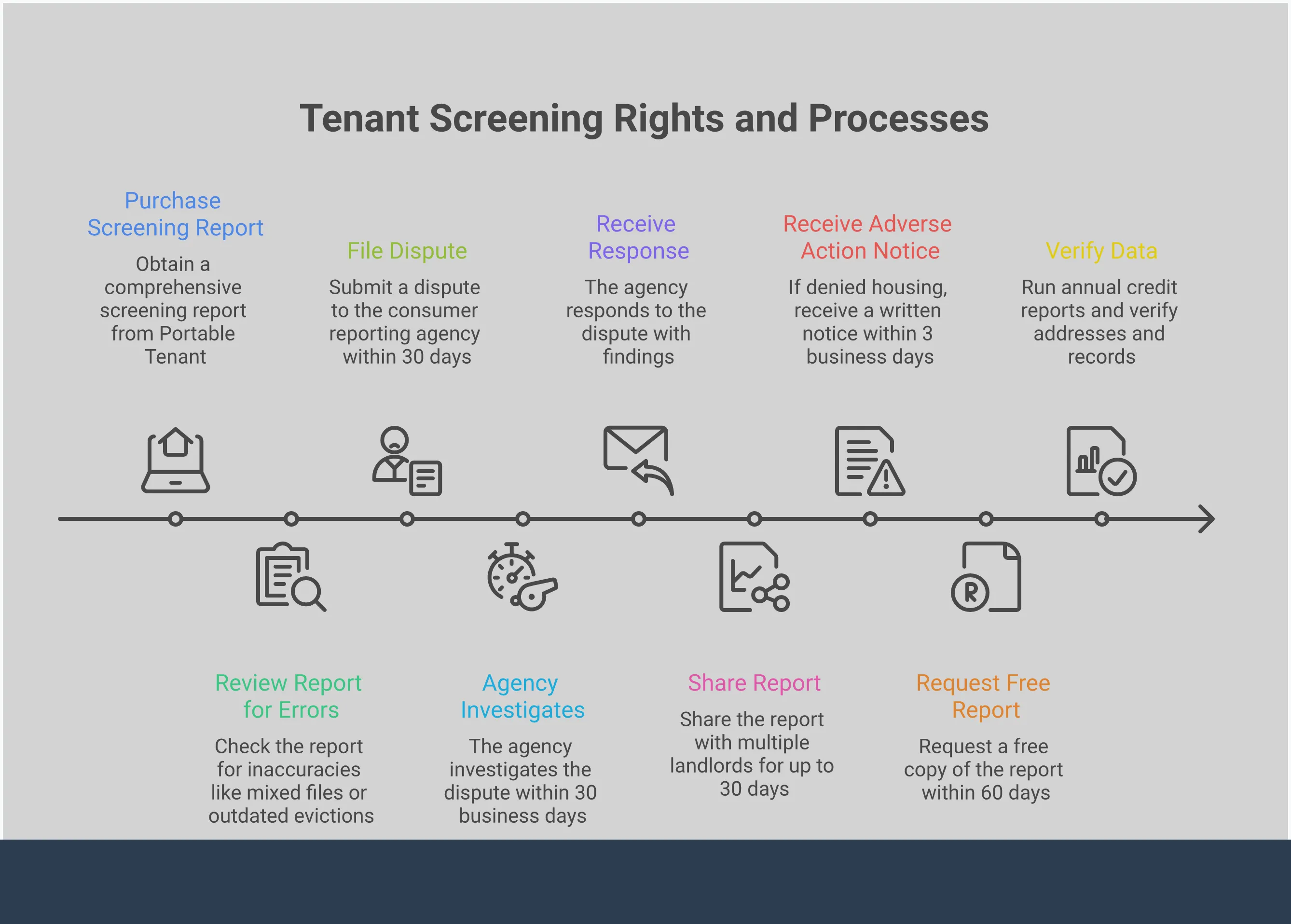
Finding an error on your tenant screening report can be stressful, but the FCRA gives you a clear path to fix it. If you discover incorrect information, you can initiate a dispute directly with the screening company that created the report. Most companies have an online form or a mailing address for their consumer relations department. Once you file, the agency is legally required to investigate your claim, typically within 30 days. It’s a good idea to provide any documentation you have that supports your claim. Taking this step ensures that your report accurately reflects your history and gives you a fair shot at securing a rental.
A tiny error in a tenant screening report can have huge consequences. Inaccurate data—like a misspelled name that pulls up someone else’s criminal record or an old eviction that was legally resolved—can lead to an immediate application denial. Even minor mistakes can result in a landlord requiring a much higher security deposit or demanding you find a co-signer. These significant consequences can unfairly block you from safe and affordable housing. This is why it’s so important to review your screening report whenever possible. Checking for accuracy and disputing errors promptly is one of the most powerful actions you can take to protect your rental future.
When you’re navigating the rental market, you’ll come across different ways landlords check into your background. Not all screening services are created equal, and understanding the differences can save you time, money, and a lot of headaches. From long-standing networks used by property managers to modern, renter-friendly options, the landscape of tenant screening is varied. Let's break down some of the common services and models so you can see how they stack up against each other.
You might hear about the National Tenant Network, or NTN, especially if you’re applying to a property managed by a larger company. It’s one of the older players in the game, with a history stretching back over three decades. NTN provides landlords with detailed reports covering your credit, criminal history, and past rental performance. They maintain a massive database of renter history, which property owners use to gauge whether an applicant is a good fit. For landlords, the goal is to avoid potential issues like property damage or missed rent, and services like NTN give them a deep dive into an applicant's background.
The biggest difference you'll encounter is between traditional and portable screening reports. A traditional report is what most people are used to: you apply for an apartment, pay a fee, and the landlord runs a background check on you directly. If you apply to another place, you repeat the whole process and pay another fee.
A portable tenant screening report flips that model on its head. You, the renter, order your own report. It contains all the same essential information—credit, criminal, and eviction history—but you control it. You can then share this single report with multiple landlords for up to 30 days. This approach saves you from paying separate application fees for every apartment you’re interested in, making your housing search much more efficient and affordable.
Cost and accuracy are two of the most important factors in tenant screening. With the traditional model, application fees can quickly add up, sometimes costing renters hundreds of dollars just to apply for multiple homes. A portable report is a one-time expense you can reuse, which is a huge financial relief.
Accuracy is another major concern. Studies have shown that a surprising number of credit reports contain errors, which can unfairly impact your rental applications. When a landlord runs a report you never see, you have no opportunity to catch these mistakes. A portable report lets you review your information first, giving you the chance to dispute any inaccuracies before a landlord ever sees them. This ensures you’re presenting the most accurate version of your history.
Tenant screening is meant to create a safe and reliable rental experience for everyone, but the process can be surprisingly tricky. For renters, inaccurate information can lead to unfair rejections. For landlords, simple missteps can result in serious legal trouble. Understanding these common issues is the first step toward a smoother, fairer process for both sides. From data errors to compliance mistakes, let's look at the most frequent problems that pop up during tenant screening and how you can handle them.
Imagine being denied an apartment because of a mistake on your screening report. It happens more often than you’d think. One of the biggest issues is something called a "mixed file," where information from another person accidentally ends up on your report. This is especially common if you have a name that many other people share. These tenant screening errors can unfairly prevent you from renting a home, causing a lot of stress and frustration. When your report contains someone else’s criminal history or eviction record, landlords may get the wrong impression and deny your application without realizing the data is incorrect. That’s why having access to your own report and the ability to verify its accuracy is so important.
For landlords, staying on the right side of the law is crucial, but it’s easy to make a mistake without meaning to. A major area of concern is following the Fair Housing Act, which prevents discrimination based on race, religion, sex, disability, and other protected classes. Even an accidental violation can lead to significant fines and lawsuits. Another common mistake involves new state laws around portable screening. In states like Colorado and Washington, landlords must inform applicants that they accept reusable reports. They also cannot charge an application fee to a renter who provides their own compliant portable tenant screening report, a rule many are still learning about.
The best way for landlords to ensure fairness and protect themselves legally is to establish a consistent screening process. This means you need to apply the same criteria to every single person who applies. Don’t make exceptions or change your standards from one applicant to the next. A solid screening process is about more than just a background check; it’s about looking at the complete picture of an applicant in a standardized way. By making tenant screening a standard part of your property management routine, you create a fair system that treats every applicant equally. This consistency not only helps you find reliable tenants but also serves as your best defense against claims of discrimination.
If you’ve ever applied for a rental, you know the drill: fill out an application, pay a fee, and wait. If you apply for five different places, you pay five different fees, and those costs add up fast. A Portable Tenant Screening Report (PTSR) changes that. It’s a comprehensive background and credit check that you, the renter, purchase once and can then share with multiple landlords.
Think of it as your rental resume. It gives landlords a clear picture of your background, including credit history, eviction records, and criminal checks, so they can feel confident about their decision. Instead of landlords running individual checks for every person who applies, you provide them with a single, secure, and reusable report. This approach streamlines the application process for everyone and, most importantly, puts you in control of your personal information. It’s a smarter, more efficient way to find your next home.
The process is refreshingly simple. As a renter, you order your own screening report from a trusted provider. This report gathers all the essential information a landlord needs: a full credit report from a major bureau like Experian, a nationwide criminal background check, and a search for any past evictions.
Once your report is ready, you receive a secure link to share with potential landlords. Instead of paying a separate application fee for every apartment you’re interested in, you can use the same report for multiple applications, typically for up to 30 days. This saves you from filling out redundant paperwork and paying repeated fees, making your apartment hunt much more efficient.
One of the biggest advantages of a PTSR is the control it gives you over your sensitive information. In the traditional screening process, your data is handed over to various landlords and property managers, and you have little say in how it's stored or used. With a portable report, you own your data.
You decide which landlords can view your information and for how long. Services like Portable Tenant even allow you to revoke access instantly, giving you complete peace of mind. Because the report is reusable for 30 days, you can apply to as many places as you need without repeatedly sharing your private details or paying for new checks each time.
The financial benefits of a PTSR are clear for renters. Application fees can range from $30 to $75 or more. If you apply to several properties, those costs can easily run into the hundreds. A portable report is a one-time expense that saves you significant money during your search. It also saves you the time you’d otherwise spend re-entering your personal information for every single application.
Landlords benefit, too. By accepting a PTSR, you attract serious applicants who have already invested in their own screening. This can reduce your administrative workload and costs. You receive a comprehensive, standardized report that helps you make informed decisions quickly, allowing you to fill vacancies faster with qualified tenants.
Using a tenant screening service is a standard part of being a landlord, but it comes with a serious set of responsibilities. You can’t just pull a report on anyone and make decisions based on a gut feeling. Federal and state laws are in place to protect applicants from unfair or discriminatory practices. Following these rules isn’t just about being a good landlord—it’s about protecting your business from legal trouble. Think of these regulations as your roadmap for a fair and compliant screening process. From getting proper consent to handling denials the right way, every step is important.
The most important law you need to know is the federal Fair Credit Reporting Act (FCRA). This act regulates how consumer reporting agencies (like tenant screening services) can collect and share information. As a landlord, the FCRA requires you to have a "permissible purpose" to request a screening report. This simply means you need a legitimate business reason, like an applicant filling out a rental application and giving you written consent to run a background check. You can't pull a report on a curious whim. This fundamental rule ensures that an applicant's private information is only accessed for valid reasons, forming the bedrock of a fair screening process.
While the FCRA sets the national standard, your state and even your city might have additional, stricter laws. For example, some states place limits on what kind of information a screening service can provide. In Massachusetts, "instant" screening services are restricted from accessing certain criminal record databases, which means a report might not be as comprehensive as you think. This is why it's so important to understand your local regulations. Using a screening service that is designed to be compliant with specific state laws, like those for portable screening reports, helps you stay on the right side of these complex rules and avoid costly mistakes.
If you decide to deny an applicant, require a co-signer, or charge a higher deposit based on information in their screening report, you are taking "adverse action." When this happens, the FCRA requires you to follow a specific process. You must provide the applicant with an adverse action notice. This notice must include the name and contact information of the screening company you used, a statement that the screening company did not make the decision to deny them, and a notice of their right to dispute inaccurate information in the report and get a free copy. Following this procedure gives applicants a fair chance to correct errors and protects you from potential lawsuits.
Choosing a tenant screening service can feel like a major commitment, whether you're a landlord trying to protect your property or a renter navigating a competitive market. The right service acts as a trusted third party, providing clear, accurate information that helps build a foundation of trust from the very beginning. It’s not just about running a background check; it’s about finding a partner that streamlines the application process, ensures fairness, and keeps everyone’s sensitive data secure. When you start comparing options, you’ll find that services vary widely in what they offer, how much they cost, and the level of support they provide. Thinking through your specific needs will help you find a service that makes the rental process smoother and more transparent for everyone involved.
When you’re evaluating a screening service, you need to look beyond the basics. A truly valuable report provides a complete and clear picture of an applicant's background. This means it should include a comprehensive credit report from a major bureau, a nationwide criminal and eviction history search, and ideally, income verification. These components give landlords the insight they need to make confident decisions. A key feature gaining traction is the Portable Tenant Screening Report, a reusable background and credit check that the renter purchases once and can share with multiple landlords for up to 30 days. This model empowers renters and saves time and money for everyone, making it a critical feature to look for.
Don't underestimate the importance of good customer support. When you have a question about a report's details or need help with a technical issue, you want to know you can reach a knowledgeable person quickly. Before you commit to a service, do a little digging. Does their website have a clear and accessible help center or FAQ section? Can you easily find a phone number or email address for support? Reading online reviews can also offer clues about how responsive and helpful a company’s support team is. A service that invests in quality customer support shows that it values its users and is there to help you handle any issues that might come up.
While price is always a factor, the cheapest option isn't always the best value. It’s important to understand the full cost structure. Some services charge landlords for every applicant they screen, which can add up quickly. In contrast, the portable screening model typically involves the renter paying a single fee for a report they can reuse. This saves renters from paying multiple application fees and offers a cost-effective solution for landlords as well. Look for transparent pricing without hidden fees. The true value lies in the combination of cost, accuracy, compliance, and security. A comprehensive, easy-to-understand report that helps you avoid a costly eviction is worth much more than a cheap, inaccurate one.
What if I know there's something negative on my report, like a low credit score? It’s a common worry, but a single negative mark doesn’t automatically disqualify you. Landlords are often looking at the complete picture of your financial habits and rental history. If you know your credit score is low or you have a past eviction, the best approach is to be transparent. Consider writing a brief, honest letter explaining the circumstances and the steps you’ve taken to improve your situation since. This shows responsibility and can make a big difference in a landlord’s decision.
Why should I accept a portable report from a renter instead of running my own? Accepting a portable report can actually make your job easier and help you find better tenants. When a renter provides their own comprehensive screening report, it shows they are serious and prepared. This saves you the administrative time and cost of running the check yourself. You receive a standardized, compliant report instantly, allowing you to make a quick and informed decision and fill your vacancy faster with a qualified applicant.
How can I be sure the information in a screening report is even accurate? That’s a great question, because errors on screening reports are more common than you might think. A major benefit of a portable report is that the renter gets to see their information first. This gives them the opportunity to spot and dispute any inaccuracies—like a debt that’s been paid off or information belonging to someone with a similar name—before you ever see the report. This process results in more reliable data for you and a fairer process for the applicant.
How many times can I really use a portable tenant screening report? A portable report is designed to make your apartment search more efficient and affordable. Typically, you pay one fee for a report that you can reuse for up to 30 days. During that time, you can share your secure report with as many landlords or property managers as you need to. This saves you from paying a new application fee for every single apartment you’re interested in.
What happens if I deny an applicant based on their screening report? If you decide not to rent to someone because of information found in their screening report, you are legally required to provide them with an "adverse action" notice. This is a formal notification that tells the applicant they were denied based on the report. The notice must include the name and contact information of the screening company you used and inform the applicant of their right to get a free copy of the report and dispute any inaccurate information. This is a critical step in staying compliant with federal law.