
If you’ve ever been on the apartment hunt, you know the drill. You find a place you love, only to pay a $50 application fee... and then do it all over again at the next place. It’s expensive, time-consuming, and you’re handing over your sensitive personal information repeatedly. But the rental process is changing for the better. Modern nationwide tenant screening services are flipping the script by putting you in control of your own data. Instead of landlords running a new report every time, you can get one comprehensive, reusable report to share with as many properties as you like. This guide explains how this new approach works, what landlords are looking for, and how you can save money and time on your next move.
Nationwide tenant screening is a process landlords and property managers use to review the background of potential renters. Think of it as a way to get a clearer picture of an applicant before handing over the keys. The main goal is to help property owners make smart, informed choices when picking tenants, so they can feel more secure about their property and the person living in it. It’s not about being invasive; it’s about creating a safe and stable rental situation for everyone involved.
For landlords, this process helps minimize risks like late rent payments, property damage, or potential legal issues down the road. For renters, it’s a chance to show you’re a reliable and responsible applicant. A good screening service pulls together information from various sources across the country to create a comprehensive report. This gives landlords a consistent way to evaluate every application fairly. With a service like Portable Tenant, renters can even get their own report and share it with multiple landlords, saving time and money on application fees. This modern approach makes the whole process more transparent and efficient for both sides.
Tenant screening services help property owners make sound decisions when renting out their properties. These services help you avoid the financial headaches and legal troubles that can come from renting to the wrong person. The process is pretty straightforward: a potential tenant fills out a rental application and gives the landlord permission to run a background check. The landlord then uses a screening service to run the check.
The service gathers information from various databases to check things like past addresses, civil and criminal court records, employment history, and eviction records. It also verifies landlord references and pulls a tenant credit report. This information is compiled into a single, easy-to-read report that helps the landlord assess the applicant’s reliability. For landlords using Portable Tenant, the process is even simpler because the renter provides a ready-made, comprehensive report.
A tenant screening report pulls together key data on an applicant’s financial history, rental behavior, and legal background. It’s designed to give you a well-rounded view so you can make a confident decision. While the exact contents can vary by service, a comprehensive report typically includes a credit check to review debt, payment history, and any collections accounts.
It also includes a criminal background check that shows felonies, misdemeanors, and sex offenses at the state and county levels. You’ll also see an eviction history, which details any past eviction filings or judgments against the applicant. Finally, many reports include income and employment verification to confirm that the applicant can afford the rent. The goal is to get a fast, accurate, and affordable snapshot of an applicant’s history, all in one place.
Think of a tenant screening report as a complete rental resume. It’s a collection of documents that gives a landlord a well-rounded picture of a potential tenant, helping them make a fair and informed decision. It’s not just about one number or a single piece of information; it’s about understanding an applicant’s history as a renter and consumer. For landlords, this report is a crucial tool for assessing risk and finding a reliable tenant who will pay rent on time and take care of the property. For renters, it’s your chance to showcase your reliability and responsibility.
While the exact contents can vary slightly between services, a comprehensive report pulls together key information from different sources to verify an applicant’s identity and background. It typically includes a deep dive into your financial habits, a look at any past legal issues, and confirmation of your ability to pay rent. Let’s break down the four main components you’ll find in almost every tenant screening report.
This is one of the most important parts of your application. A landlord will look at your credit report to get a sense of your financial responsibility. This section includes your credit score, payment history for loans and credit cards, and any outstanding debts or collections. It’s not about judging your spending habits; it’s about assessing your track record of paying bills on time. A history of consistent, on-time payments suggests you’re likely to treat your rent obligation with the same level of care. Landlords use this information to gauge whether you can reliably handle the monthly rent payments.
A criminal background check is standard practice and is used to ensure the safety and security of the property and its community. This part of the report scans various national, state, and local databases for any criminal records associated with your name. Landlords have a responsibility to provide a safe environment for all their tenants, and this check helps them do that. It’s important to know that landlords must apply their screening criteria consistently to all applicants to comply with Fair Housing laws, which prevent discrimination based on a criminal history that isn't relevant to a tenancy.
This section of the report shows whether a potential tenant has ever been formally evicted from a property. An eviction history is a significant red flag for many landlords because it indicates a serious past issue, such as failure to pay rent or a major lease violation that led to a court-ordered removal. Seeing a past eviction can make a landlord hesitant, as it suggests a higher risk of future problems. If you have an eviction on your record, it’s often best to be upfront about the circumstances and show what has changed since then.
Simply put, a landlord needs to know that you can afford the rent. This part of the screening process confirms that you have a stable and sufficient source of income. You’ll typically be asked to provide recent pay stubs, bank statements, or an offer letter from your employer. The general rule of thumb many landlords use is that a tenant's monthly income should be at least three times the monthly rent. This isn't a strict rule, but it’s a common benchmark used to ensure that you won’t be stretched too thin financially and can comfortably cover your rent each month.
With so many tenant screening services on the market, finding the right one can feel overwhelming. The best choice really depends on your specific needs. Are you a renter tired of paying application fees for every apartment? Or are you a landlord looking for the most detailed financial data available? Each service offers a slightly different approach, from traditional landlord-initiated reports to modern, renter-controlled screening.
The main differences often come down to who pays for the report, who has control over the data, and how the information is packaged. Some services are standalone screening tools, while others are part of a larger property management platform. Understanding these distinctions is the first step to finding a service that makes your rental process smoother, more secure, and compliant with all the necessary regulations. Let’s walk through some of the most popular options available so you can see how they stack up.
Portable Tenant flips the traditional screening model on its head by putting the renter in control. Instead of landlords running a new report for every application, renters purchase one comprehensive, reusable report that they can share with multiple landlords. This model is especially relevant as more states, like Colorado, now have laws requiring landlords to accept portable tenant screening reports that meet certain criteria.
For renters, this means saving a significant amount of money on application fees. For landlords, it streamlines the process and ensures they receive a compliant, verified report without the administrative hassle. Powered by Experian, the reports include everything a landlord needs: credit history, nationwide criminal and eviction records, and income verification. It’s a modern solution designed for efficiency and transparency.
Coming directly from one of the three major credit bureaus, TransUnion SmartMove is a trusted name in the industry. This service is designed for landlords who want to initiate the screening process themselves. After a landlord requests a report, the prospective tenant receives an email to approve the check, which keeps their sensitive information private and results in a soft inquiry on their credit report.
SmartMove provides landlords with detailed credit reports, comprehensive criminal background checks, and a thorough eviction history, giving them the information needed to make confident decisions. Because the data comes straight from the source, many landlords rely on it for accuracy. It’s a solid, traditional choice for property owners who want to ensure they find quality renters for their properties.
RentSpree has become a popular choice for landlords and real estate agents because it offers a complete and easy-to-use screening package. The platform allows applicants to apply directly to a property and authorize the screening in one simple workflow. Landlords receive a comprehensive report that includes a credit report and score, a criminal background check, and a detailed eviction history.
The service is designed to be fast and efficient, often delivering results within minutes. RentSpree also integrates with many popular real estate platforms, making it a convenient tool for professionals managing multiple listings. Its straightforward process and comprehensive screening service make it a go-to for landlords who value speed and simplicity without sacrificing detail.
Formerly known as Cozy, this screening service is now fully integrated into the Apartments.com rental platform. This is a huge plus for landlords who want an all-in-one solution for managing their properties. From listing a vacant unit to collecting rent, the platform handles the entire rental lifecycle. Tenant screening is a key part of this process, allowing landlords to request credit and background checks directly through the site.
Because it’s part of a larger ecosystem, the screening reports are seamlessly connected to the rental application. This integration helps streamline the rental process for both landlords and tenants. It’s an ideal option for property owners who are already using Apartments.com to list their properties and want to keep everything organized in one place.
MyRental, a service from CoreLogic, is known for its user-friendly interface and detailed reports. It offers several screening packages, allowing landlords to choose the level of detail they need. A basic report might include an eviction history and a criminal search, while premium options add a full credit report from TransUnion and more in-depth background checks.
The service is designed to be straightforward, helping landlords quickly get the information they need to make a decision. MyRental provides a Tenant Score, which is a numerical rating from 200 to 800 that predicts the likelihood of a tenant paying their rent on time. This feature, along with its clear report formatting, helps landlords easily understand a tenant screening report and assess risk.
Let's talk about the bottom line. The cost of tenant screening can vary between services, but it’s one of the most valuable investments a landlord can make. A small fee upfront can save you from the massive financial and emotional costs of a difficult tenancy or an eviction down the road. For renters, the landscape is changing, too. Instead of paying separate application fees for every apartment, new options are making the process much more affordable.
The price often depends on how comprehensive the report is and the service you choose. Most modern screening services operate on a simple, pay-per-report model, which keeps things straightforward for everyone involved. Let’s break down what you can expect to pay and who typically covers the cost.
Most tenant screening services charge a flat fee per applicant, with prices often starting around $20 and going up from there depending on the depth of the report. This fee typically gets you a bundled package that includes the essentials: a credit report, a nationwide criminal background check, and an eviction history search. This all-in-one approach is usually the most cost-effective way to get a complete picture of an applicant.
Many online platforms offer this service without requiring any memberships, subscriptions, or minimum orders. This flexibility is perfect for independent landlords who may only need to screen a few applicants a year. You simply pay for the report you need, when you need it. For renters, using a service with a single, transparent fee means you know exactly what you’re paying for. You can check out Portable Tenant's pricing to see how a one-time fee gives you a reusable report you can share with multiple landlords.
So, who actually foots the bill for the screening report? In most situations, the rental applicant pays the fee. Landlords typically include the cost of the background and credit check within a general application fee. This allows landlords to cover the expense of vetting potential tenants without having to pay out of pocket, making it a standard part of the rental process.
This is where the concept of a portable report really shines for renters. Instead of paying a $30, $40, or even $50 application fee to every single landlord you apply with, you can pay once for a comprehensive report and share it securely wherever you apply. This model saves renters a significant amount of money and time during their apartment search. You can see exactly how it works and why it’s becoming the new standard. For landlords, accepting a portable report streamlines the process and can attract more qualified, serious applicants who appreciate the modern approach.
With so many tenant screening services on the market, picking the right one can feel like a job in itself. But the service you choose is more than just a tool—it’s a partner in your rental business. The best platforms help you find reliable tenants while ensuring the process is fair, legal, and efficient for everyone involved. When you’re comparing options, it’s easy to get lost in feature lists. Instead, focus on the four things that truly matter: the quality of the data, built-in compliance tools, overall ease of use, and how well it fits into your existing workflow. Thinking through these key areas will help you find a service that protects your investment and helps you build a positive relationship with your tenants from day one. A great screening partner provides the comprehensive information landlords need to make confident decisions.
The foundation of any good screening report is accurate, up-to-date information. A decision based on faulty data isn’t just unfair to the applicant; it can also put you at risk. Unfortunately, some reports can contain errors or outdated records. Look for a service that is transparent about where its information comes from. The most reliable reports pull data directly from trusted, primary sources like the three major credit bureaus (Experian, TransUnion, and Equifax) and nationwide criminal and eviction databases. A service that cross-references multiple sources is more likely to provide a complete and accurate tenant screening report you can depend on.
Staying on the right side of the law is non-negotiable. Landlording comes with a lot of rules, and tenant screening is governed by strict federal, state, and local laws, including the Fair Housing Act and the Fair Credit Reporting Act (FCRA). A top-tier screening service will have compliance built into its platform. This means it should help you apply consistent screening criteria to all applicants and guide you through legally required steps, like sending an adverse action notice if you deny an application based on the report’s findings. Choosing a service with strong tenant screening compliance features isn’t just about avoiding lawsuits—it’s about running a fair and ethical business.
In a competitive rental market, time is of the essence. A slow, clunky application process can cause qualified applicants to look elsewhere. The right service should offer a simple, intuitive experience for both you and the renter. Look for a platform that delivers reports quickly and makes them easy to read and understand. The entire screening process should be straightforward, from sending the application link to receiving the completed report. A smooth, modern interface shows applicants that you’re a professional and organized landlord, setting a positive tone for the potential tenancy.
If you use property management software like AppFolio, Buildium, or Zillow Rental Manager, check for integrations. A screening service that connects with the tools you already use can save you a significant amount of time and prevent manual data entry errors. When your systems are integrated, you can order background checks, receive reports, and manage applicants all from one dashboard. This creates a seamless workflow that lets you focus less on administrative tasks and more on managing your properties. Before committing to a service, see if they have a list of integration partners to ensure it will fit neatly into your existing operations.
The tenant screening process can feel mysterious, and a lot of assumptions float around for both landlords and renters. Believing these myths can lead to missed opportunities for great tenants or unfair rejections for otherwise qualified applicants. When you rely on outdated or incorrect information, you risk making biased decisions that could violate fair housing laws or simply cause you to overlook the perfect person for your property. For renters, these myths can create unnecessary anxiety and confusion about what landlords are actually looking for.
Let's clear the air and look at what’s really going on behind the scenes. By debunking these common misconceptions, we can help everyone make fairer, more informed decisions that lead to better rental experiences for all. Understanding the truth about what screening reports can—and can’t—do is the first step toward a more transparent and equitable rental market.
It’s easy to think of a screening report as a complete biography of a potential tenant, but that’s not quite right. While a comprehensive report gives you critical data points, it’s just one piece of the puzzle. It’s important not to fall for common tenant screening myths and to remember that a report can’t tell you if someone is responsible, respectful, or a good communicator. That’s why it’s still essential to check references, speak with previous landlords, and conduct an interview. Think of the screening report as your starting point for a more complete picture, not the final word.
Seeing a late payment on a credit report can feel like a major red flag, but it rarely tells the whole story. Many landlords operate under the myth that "One Late Payment Will Disqualify You," but life happens. A single missed payment could be the result of a one-time medical emergency, a temporary job loss, or a simple banking error. Instead of focusing on an isolated incident, look for patterns. Does the applicant have a long history of late payments, or was this a single blip on an otherwise solid record? Context is everything, and a good tenant shouldn't be overlooked because of one tough month.
This is one of the most dangerous myths out there. It’s tempting to assume the data in a screening report is 100% accurate, but errors are more common than you might think. In fact, many tenant screening reports contain false or irrelevant information, such as incorrect eviction records or data belonging to someone with a similar name. This is why renter-controlled reports are so valuable—they give applicants the chance to review their information for accuracy before sharing it. For landlords, it means you’re getting verified information directly from the source, reducing the risk of making a decision based on faulty data.
When you receive an application from a couple or a group of roommates, you might think screening just one person is enough. This is a risky shortcut. Every adult who will be living in the property and contributing to rent should be on the lease and fully screened. If you only screen the primary applicant, you have no insight into the financial or rental history of the other occupants. This can seriously backfire if the unscreened tenant has a history of evictions or stops paying rent. Screening everyone is a standard practice that protects your investment and ensures all tenants are equally accountable.
Screening tenants is a critical step in protecting your investment, but it comes with serious legal responsibilities. Staying compliant isn’t just about avoiding fines; it’s about running a fair, ethical, and professional business that treats every applicant with respect. While the rules can seem complex, they generally boil down to a few key principles: be consistent, be transparent, and be fair.
Think of compliance as your roadmap for making sound rental decisions. By understanding the major laws, communicating clearly with applicants, and keeping organized records, you can protect both your property and your reputation. Let’s walk through the essential steps to ensure your screening process is effective and fully compliant.
The foundation of compliant tenant screening rests on two key pieces of federal legislation: the Fair Housing Act and the Fair Credit Reporting Act (FCRA). The Fair Housing Act is straightforward: it prohibits discrimination in housing based on race, color, national origin, religion, sex, familial status, or disability. This means your screening criteria must be applied equally and consistently to every single applicant, without exception.
The FCRA regulates how consumer reports—including credit, criminal, and eviction histories—are used. It ensures that the information used to evaluate applicants is accurate and handled confidentially. Understanding these laws helps you create a screening process that is not only effective but also equitable and legally sound.
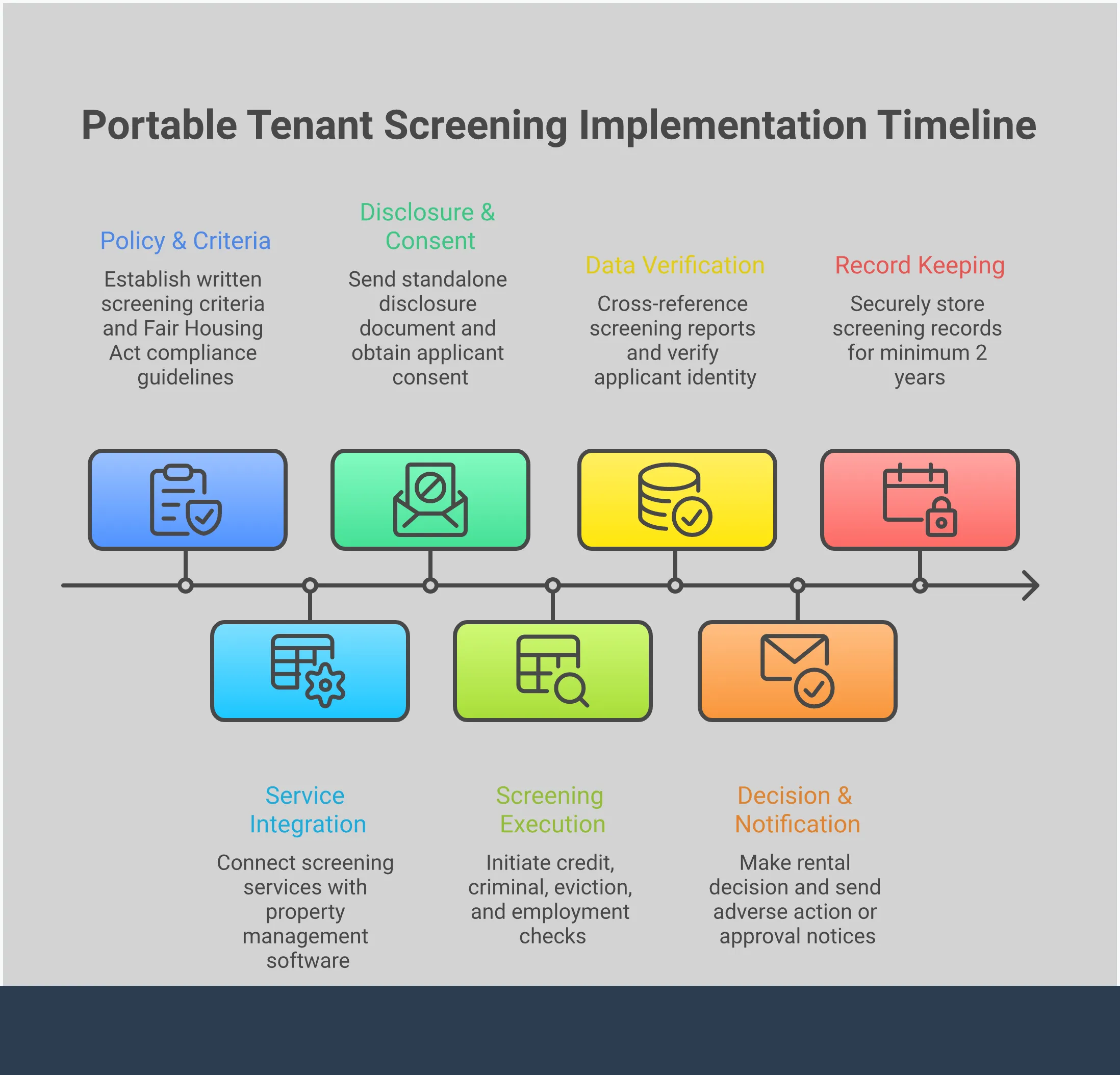
Clear communication is a cornerstone of compliance. Before you run a background check, you must inform the applicant in writing and receive their written consent. This notice should be a standalone document, not buried in the fine print of the rental application. It lets the applicant know that you will be using the information in their report to help make your decision.
If you decide to take any "adverse action" based on the report's findings, you are required to provide another notice. This ensures the applicant understands why they were denied or why their terms were changed and gives them an opportunity to review their report for inaccuracies. Transparency at every step is non-negotiable.
An "adverse action" is any decision that isn't an outright approval on the applicant's proposed terms. This includes denying the application, requiring a co-signer, or charging a higher security deposit. If you take any of these steps based wholly or partly on information from a tenant screening report, you must provide the applicant with an adverse action notice.
This notice must include the name and contact information of the screening company you used, a statement that the screening company did not make the rental decision, and a notification of the applicant's right to obtain a free copy of their report and to dispute any inaccurate information it contains.
Consistent and thorough documentation is your best tool for demonstrating a fair screening process. Start by establishing a clear set of written rental criteria before you even list your property. These criteria should be objective and directly related to the applicant's ability to be a good tenant—think income-to-rent ratio, credit history, and rental history.
Apply these criteria uniformly to every applicant and keep detailed records of the entire process, from the initial application to your final decision. This paper trail shows that your choice was based on legitimate business reasons, not discriminatory factors. Using a service that helps you manage applications and reports in one place can make this process much simpler for landlords and property managers.
Will a low credit score automatically get my application denied? Not necessarily. While your credit score is an important factor, most landlords look at your entire financial history to get the full picture. They are often more interested in patterns, such as a consistent history of on-time rent and bill payments, rather than a single number. If you know your credit isn't perfect, it can be helpful to be upfront about it and explain the circumstances, especially if you've taken steps to improve your financial situation since.
How long does the tenant screening process usually take? The turnaround time for a screening report is typically very fast with modern online services. In many cases, a landlord can receive a complete report within minutes of the applicant authorizing the check. The process is designed for speed and efficiency because both landlords and renters want to move quickly in a competitive market. A streamlined process helps landlords fill vacancies faster and allows renters to secure a new home without unnecessary delays.
As a landlord, do I have to accept a portable screening report from a renter? This depends on your location. A growing number of states, including Colorado, have passed laws that require landlords to accept a portable tenant screening report provided by an applicant, as long as it meets certain criteria. This approach saves everyone time and money. Even in states without these laws, many landlords choose to accept them because it streamlines their process and shows that an applicant is serious and prepared.
What should I do if I find a mistake on my screening report? If you discover an error on your report, you have the right to dispute it. Under the Fair Credit Reporting Act (FCRA), you can contact the screening company that prepared the report to correct any inaccurate information. This is a key reason why renter-controlled reports are so beneficial—they give you the chance to review your information for accuracy before you even share it with a landlord, preventing misunderstandings from the start.
Why can't I just ask for a screenshot of an applicant's credit score? Relying on a screenshot is risky and incomplete. A single score doesn't provide the necessary context about payment history, debt, or public records like evictions. More importantly, using a comprehensive, FCRA-compliant screening service ensures the data is verified and protects you legally. A professional report gives you the detailed, accurate information you need to make a fair and informed decision while keeping the process compliant with housing laws.