
The rental application process can feel like a mystery. You submit your information, pay a fee, and wait, hoping for the best. If your application gets denied, it’s easy to feel discouraged and wonder what went wrong. The good news is, you have rights. Landlords can’t just reject you without an explanation if their decision was based on your background check. You are legally entitled to a notice about tenant screening reports that explains your right to see the information used against you. This article will empower you with the knowledge you need to understand the process, check your report for errors, and protect your rights as a renter.
Think of a tenant screening report as a resume for your rental history. It’s a document landlords use to get a clear picture of a potential tenant before handing over the keys. When you apply for a new apartment or house, the landlord or property manager will almost always ask for your permission to run one. According to the Consumer Financial Protection Bureau, these reports are the primary tool landlords use to decide if an applicant is a good fit for their property.
The goal is to make an informed, fair decision based on consistent criteria. For landlords, it helps them choose reliable tenants who are likely to pay rent on time and take care of the property. For renters, it’s a chance to show you’re a responsible applicant. The whole process is designed to create a safe and stable rental situation for everyone involved. With a service like Portable Tenant, you can even get one comprehensive report to share with multiple landlords, saving you time and money on application fees.
So, what exactly are landlords looking at? A standard screening report pulls together several key pieces of your personal history to create a complete profile. While the specifics can vary, most reports include a background check, credit report, and eviction history.
Here’s a quick rundown of what you can expect to see:
These components help a landlord assess risk and determine if you meet their rental criteria.
While it might feel like you’re under a microscope, tenant screening reports are meant to protect both parties. They help landlords find trustworthy tenants, but they also give you, the renter, important rights. Using accurate data is crucial, because outdated or incorrect information can cause problems for everyone.
If a landlord denies your application based on something in your report, they are legally required to tell you. They must provide the name and contact information of the company that supplied the report and inform you of your right to get a free copy of it. Most importantly, you have the right to dispute any information you believe is inaccurate. This ensures the decision-making process is transparent and gives you a chance to correct any errors that could unfairly impact your housing search.
When you're dealing with something as important as a rental application, it's easy to get lost in the paperwork. But behind every application and background check, there's a set of legal rules designed to protect everyone involved. Think of them less as red tape and more as a clear roadmap for fairness and transparency. For landlords, understanding these rules is non-negotiable for staying compliant, avoiding potential lawsuits, and building a trustworthy relationship with tenants from day one. For renters, knowing your rights ensures you're treated fairly throughout the process and gives you the power to act if something seems off.
The main legal framework you'll hear about is the federal Fair Credit Reporting Act (FCRA), which governs how consumer reports are used nationwide. However, the rules don't stop there. State and local laws often add another layer of requirements that can impact everything from application fees to the questions you're allowed to ask. Let's break down exactly what you need to know about the legal side of tenant screening notices so you can handle the process with confidence.
The Fair Credit Reporting Act (FCRA) is the big one—it's a federal law that sets the ground rules for how consumer reports can be used. If you're a landlord using a credit check, criminal background report, or eviction history to make a decision, you have to follow the FCRA. The Federal Trade Commission (FTC) makes it clear that you must have a valid reason, or a "permissible purpose," to even look at an applicant's report. Simply being curious isn't enough; you need to be using it for a legitimate business need, like evaluating a rental application. Following these guidelines is the first step to a fair and legally sound screening process.
Before you pull any reports, you need to get the applicant's permission in writing. This is a crucial step that shows you have a valid reason for accessing their personal information. Once you have the report, what you do next is just as important. If you decide to take an "adverse action"—like denying the application, requiring a larger deposit, or asking for a co-signer—based on what you found, you are legally required to tell the applicant. This notification is key, as it gives the renter a chance to see the report and correct any potential errors. The FTC provides a great resource on what landlords need to know about these requirements.
While the FCRA provides a national standard, it's not the only rulebook. Many states and even cities have their own specific laws about tenant screening that you need to follow. These local rules can cover everything from how much you can charge for an application fee to what kind of information you're allowed to consider. For example, some areas have stricter guidelines on using criminal history in housing decisions. It's essential for landlords to get familiar with their local landlord-tenant laws to avoid any legal trouble. Staying informed on both federal and state levels is the best way to ensure your screening process is completely above board.
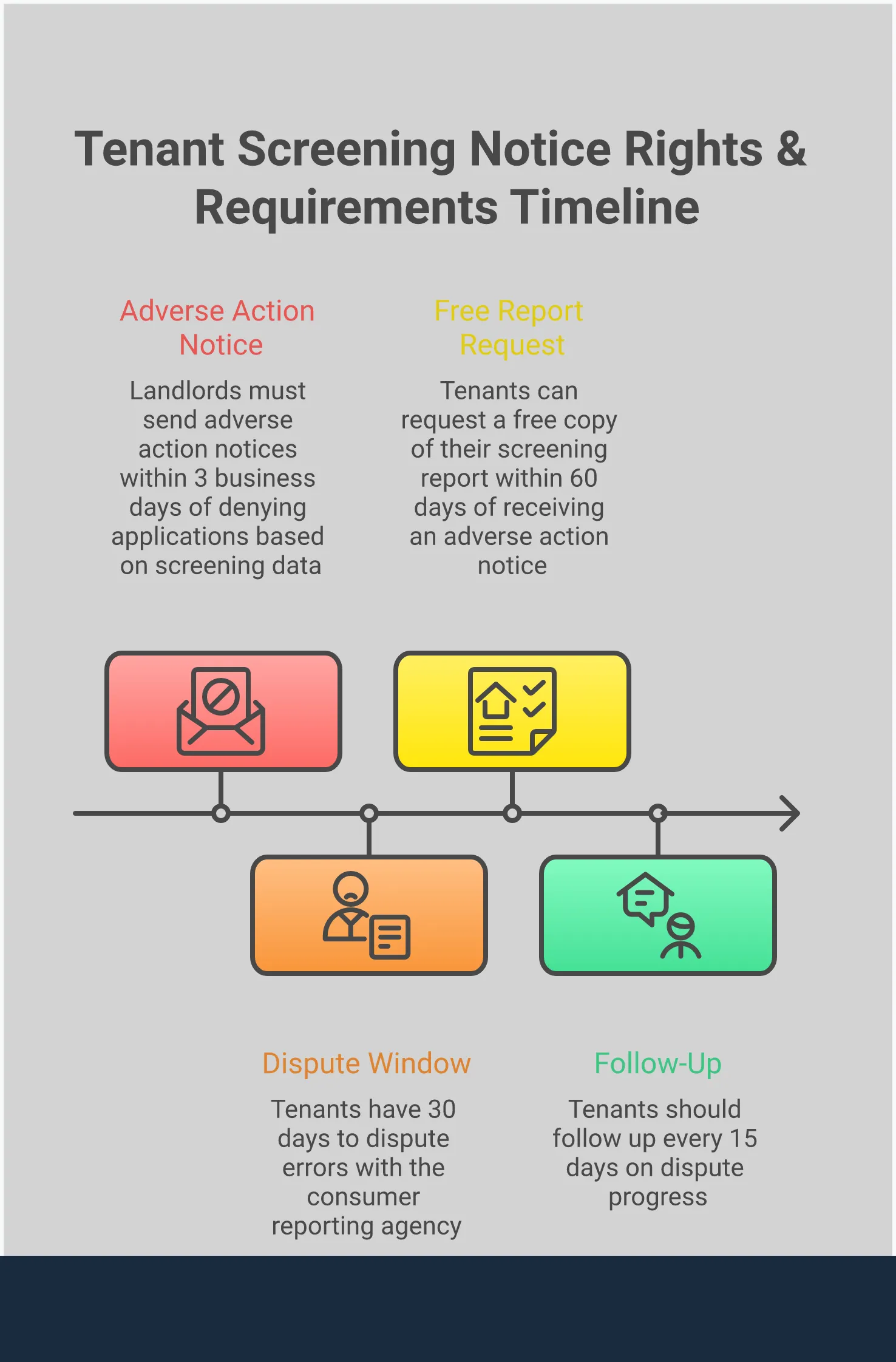
If you’re a landlord, there will be times when you have to deny a rental application. When that decision is based, even partly, on information from a tenant screening report, you can’t just say "no" and move on. The law requires you to send something called an Adverse Action Notice. Think of it as a formal letter that explains the decision and, more importantly, tells the applicant how they can see the information that influenced your choice. This process isn’t just about following rules; it’s about being transparent and fair. For renters, understanding what this notice should contain is key to protecting your rights and ensuring the information used to evaluate you is accurate.
When you send an adverse action notice, you need to include a few specific pieces of information to stay compliant. Leaving any of these out can lead to legal trouble, so it’s best to have a template ready. According to the Fair Credit Reporting Act (FCRA), every notice must state that the credit reporting agency (the company that provided the screening report) did not make the rental decision and can’t explain why it was made. You also have to inform the applicant of their right to get a free copy of their report within 60 days and their right to dispute any inaccurate information it contains.
One of the most critical parts of the notice is the contact information for the consumer reporting agency that supplied the report. This isn't optional—you must include the agency's full name, address, and phone number. Why is this so important? It directs the applicant to the source of the information. If a renter believes there’s an error on their report, they need to contact the agency to get it fixed, not the landlord. Providing this information empowers the applicant to take the next steps to correct their record, ensuring that a simple mistake doesn't follow them to their next application.
You need to send an adverse action notice even if the screening report was just one small factor in your decision. Maybe you had two great applicants, and a minor detail in one report tipped the scales. You still have to send the notice. While the law technically allows for the notice to be given orally, it’s always better to put it in writing. An email or a printed letter creates a clear record that you’ve met your legal obligations. This simple step protects you from potential disputes down the road and ensures the applicant has a written copy of their rights and the agency’s contact details.
The rental application process can feel like you’re putting your life under a microscope. But it’s not a one-way street. As a renter, you have specific rights designed to protect you and ensure the information used to evaluate your application is fair and accurate. Understanding these rights is the first step toward a more transparent and confident apartment search. When you know what to expect, you can make sure landlords and screening companies are playing by the rules.
If a landlord decides to deny your application, charge you a higher rent, or require a larger security deposit based on information in your screening report, they can’t just leave you guessing why. This is called an "adverse action," and you have a legal right to be notified. The landlord must tell you that their decision was influenced by the report. This isn't just a courtesy; it's a requirement under federal law. The Federal Trade Commission provides clear guidance for landlords on this, stating they must inform you if they make an unfavorable decision based on a consumer report. This notice is your key to understanding what happened and what you can do next.
Receiving an adverse action notice automatically gives you another important right: the right to see the report for yourself. If a landlord denies your application because of something in your screening report, they must tell you which screening company they used. The Consumer Financial Protection Bureau explains that you can request a free copy of that report within 60 days. This is your chance to review every detail and check for mistakes. The notice must also inform you of your right to dispute any inaccurate information you find. This ensures you have the opportunity to correct the record if an error is holding you back.
What if you get your report and find an error? It’s more common than you might think. In fact, research on tenant screening algorithms shows that applicants are often unfairly penalized for outdated information or data that belongs to someone else. If you spot an inaccuracy, you should immediately contact the screening company that created the report to file a dispute. You should also contact the original source of the information, like a credit bureau or courthouse, to correct it there. Challenging errors is a critical step in protecting your rental future and ensuring your report accurately reflects you as a tenant.
The rental application process can feel confusing, and a lot of myths float around about tenant screening. It’s easy to get tripped up by bad information, whether you’re a renter trying to find a home or a landlord looking for the right tenant. Let’s clear up some of the most common misunderstandings so you can feel confident every step of the way.
It’s easy to assume that a screening report is always 100% accurate, but that’s a risky belief. Reports can sometimes contain errors, like outdated information or records that belong to someone else with a similar name. Another common myth is that you just have to accept the cost of paying for a new screening report for every single apartment you apply for. This can add up quickly, making your housing search more stressful and expensive than it needs to be. Using a portable tenant screening report gives you control over your information and lets you reuse one comprehensive report for multiple applications, saving you both time and money.
A major myth for landlords is that you can run a background check on anyone who applies. The truth is, you absolutely must get an applicant’s written consent before you run a screening report. Skipping this step can land you in serious legal trouble. Another point of confusion is the application fee. While you can typically pass the screening cost on to the applicant, you need to be transparent about it and follow state-specific laws regarding the amount. It’s critical to have a consistent and fair process for every applicant. Using a compliant screening service helps ensure you’re following all the rules and treating every potential tenant fairly, which protects both you and your applicants.
Staying on top of legal requirements can feel like a full-time job, but it doesn't have to be complicated. When it comes to tenant screening, a few key practices can ensure you’re handling everything correctly, fairly, and transparently. Following a straightforward checklist helps protect you as a landlord and respects the rights of every applicant. It’s all about clear communication, using the right tools, and keeping organized records. Let’s walk through the three essential steps to make sure your screening process is compliant and smooth for everyone involved.
If you decide not to move forward with an applicant based on their screening report, you can't just leave them guessing. Federal law is very specific here. The Federal Trade Commission states that if you make an unfavorable decision, like denying an application or requiring a larger deposit, you must inform the applicant. This notice, often called an adverse action notice, needs to include the name and contact information of the screening company you used. You also have to clarify that the screening company didn't make the rental decision and let the applicant know they have a right to dispute inaccurate information and get a free copy of their report. Putting this all in writing is the best way to create a paper trail and show you’ve followed the rules.
One of the simplest ways to ensure you’re following the law is to work with a screening service that has compliance built into its process. Before you run any background checks, you absolutely need to get written permission from the applicant. A professional service will help you manage this consent properly. Using a compliant screening solution also means you’re getting reliable, up-to-date information directly from the source, which is far more secure than accepting a report handed to you by an applicant. These services are designed to guide you through the necessary steps, taking the guesswork out of staying compliant with regulations like the Fair Credit Reporting Act (FCRA).
Good habits make for good business, and that’s especially true with record-keeping. Maintaining organized files for every applicant—not just the ones you approve—is essential. This includes their application, their signed consent for the screening, the report itself, and any notices you sent them. Keeping detailed records, especially concerning security deposits and screening decisions, can help you avoid misunderstandings or legal issues later on. Using outdated or incorrect information can create problems for both you and the applicant, so ensuring your data is accurate and your records are complete is a critical step. It’s your best defense and a hallmark of a professional, trustworthy landlord.
What should I do if I find a mistake on my screening report? If you spot an error, you should act on it right away. Your first step is to contact the screening company that created the report and formally dispute the inaccurate information. The landlord is required to give you their contact details. You should also reach out to the original source of the error, whether it's a credit bureau or a courthouse, to get it corrected there. This ensures the mistake is fixed at its root and won't reappear on future reports.
As a landlord, do I still need to send a notice if the screening report was only part of my decision to deny an applicant? Yes, you do. The law is very clear on this point. If the information in a screening report influenced your decision in any way, even if it was just one factor among many, you are required to send an adverse action notice. This ensures the applicant is aware of their right to see the report and challenge any potential inaccuracies. It’s a critical step for staying compliant and maintaining a fair process.
Can a landlord charge me for a screening report, and how does a portable report help? Landlords can typically charge an application fee to cover the cost of screening. The problem is that these fees can add up quickly when you're applying to multiple places. A portable tenant screening report changes that. Instead of paying a new fee for every application, you pay once for a comprehensive report that you can securely share with as many landlords as you like, saving you significant time and money during your search.
Why can't a landlord just accept a screening report that I print out and give them? Landlords need to be certain that the information they're using to make a decision is authentic, complete, and hasn't been altered. A printed copy doesn't offer that security. Using a professional service ensures the report comes directly from a trusted, verified source. This protects the landlord from potential fraud and gives them confidence that they are complying with fair housing laws by using consistent, reliable data for every applicant.
What's the difference between federal and state laws for tenant screening? Think of federal law, like the Fair Credit Reporting Act (FCRA), as the foundation that sets the minimum rules for everyone in the country. It covers the basics, like getting consent and sending adverse action notices. State and even city laws can then build on that foundation by adding more specific or stricter requirements. These might include limits on application fee amounts or rules about how a landlord can consider an applicant's criminal history. Landlords must follow both to be fully compliant.