
Rental scams can cost you money and expose sensitive application data before you ever receive a key.
Get a renter-controlled report you can share with landlords.
Protect yourself from rental scams by verifying the listing, property, landlord, lease, and payment instructions independently before you send money or sensitive documents. Treat urgency, below-market rent, remote-only communication, and unusual payment requests as warning signs. Use secure application channels, share only what is necessary, and keep control of who can access your screening information.
A convincing listing can still be fake. Scammers may copy photos from a real property or impersonate an owner. Others create polished application pages to collect deposits, Social Security numbers, identity documents, and bank details. The safest approach is a short verification process. Slow down before your money or data leaves your control.
Rental scams are schemes that use a fake or misleading listing, landlord identity, lease, payment request, or rental application to steal money or personal information. The scam may target you before a viewing, during an application, or after someone has gained your trust through a legitimate-looking property advertisement.
The Federal Trade Commission explains that scammers can copy real listing photos and descriptions, change the contact information, and collect an application fee, deposit, or rent before disappearing. A property can be real while the person contacting you is not authorized to rent it.
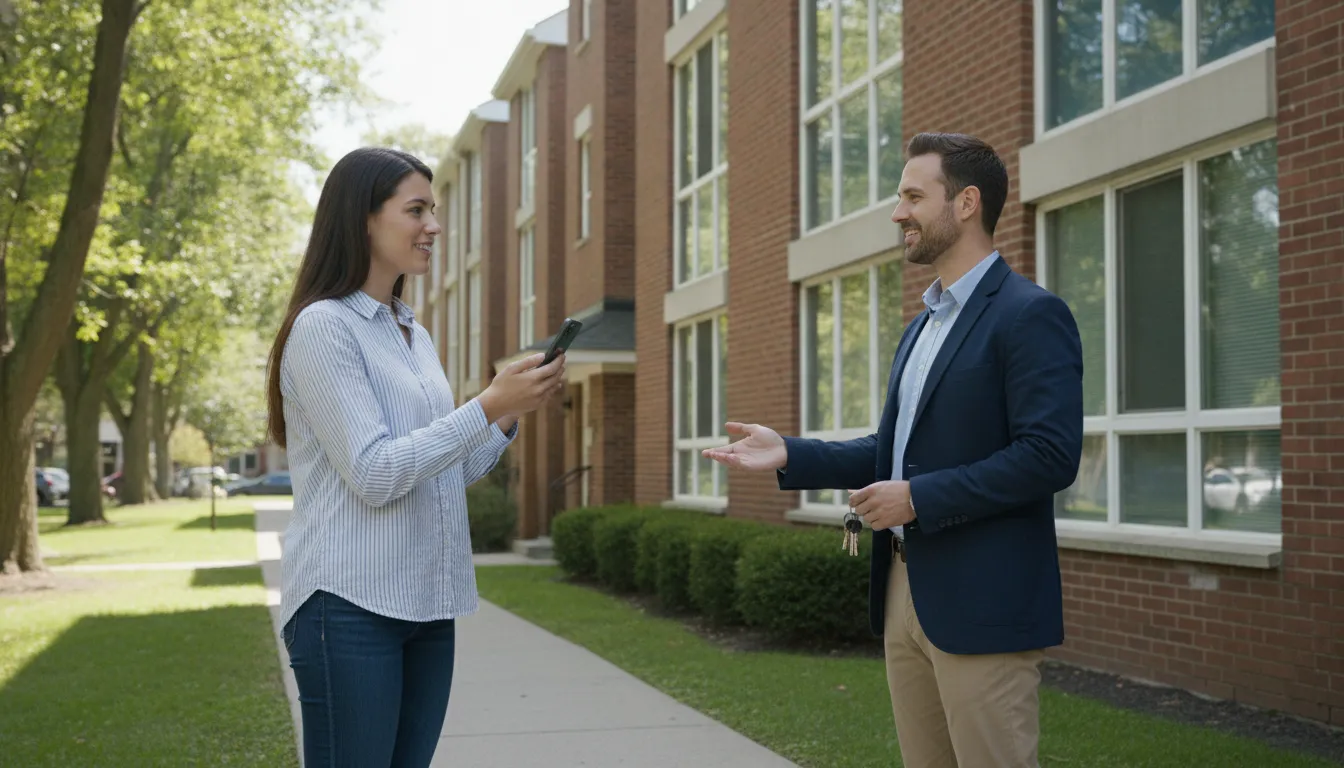
One warning sign does not prove that a listing is fraudulent, but several together should stop the transaction until you can verify the details through an independent source. Watch for these patterns:
Scammers often combine a believable story with one urgent request. Treat the request itself as a data point. A legitimate landlord should be able to explain the application process, identify the responsible business or owner, and give you reasonable time to verify the transaction.
Verify the property and contact through sources you found yourself. Do not rely only on links or phone numbers supplied in the listing. This sequence helps separate a real opportunity from a rushed request.
| Warning sign | Safer next step |
|---|---|
| The rent is dramatically below comparable homes. | Compare other listings and ask the official management company about the price. |
| The contact refuses a viewing. | Pause until you or a trusted person can see the specific property. |
| The sender supplies a payment link immediately. | Find the company's official website and confirm the link and recipient independently. |
| The application asks for extensive data before basic verification. | Ask why each field is needed and use a verified, secure application channel. |
| The lease names a different person than the contact. | Request an explanation and confirm the landlord or manager through an independent source. |
These checks work best when you treat the rental as a transaction that deserves documentation. Save the original listing before it changes. Write down the name of the person you spoke with and the company they claim to represent. If the answers change when you ask for proof, do not let a deadline force you to continue.
Rental application scams use the normal screening process as cover for collecting too much information. A fake application may ask for a Social Security number, date of birth, driver's license, pay stubs, bank details, passwords, or a payment before you verify the property.
A scammer may copy a real property manager's branding or use a lookalike domain. A logo or professional layout does not prove that a page is safe. Find the management company's website yourself and start the application from that verified source.
Landlords and screening providers may request different information at different stages. Ask what each field is for, who will receive it, and how it will be protected. Ask whether the request can wait until the listing and landlord are verified. Avoid emailing identity documents or financial records to an unverified contact.
A scammer may claim that an immediate credit check or payment is the only way to reserve the property. A legitimate process still needs to be transparent. Know the screening provider and what you are authorizing. You should also receive instructions for reviewing or correcting information if an issue appears.

Good data protection is a combination of verification, minimization, secure sharing, and follow-up. Before submitting an application, use this checklist:
A renter-controlled Portable Tenant Screening Report (PTSR) can reduce repeat screening. Portable Tenant provides an Experian-powered report with credit, nationwide criminal and eviction reports, income verification, and a rental application. Renters share a link and can revoke access instantly. That control helps manage sharing. A PTSR does not verify a listing or promise fraud prevention.
That distinction matters. Screening information helps a verified landlord evaluate an application, but it cannot tell you whether the person who sent a listing is the property's owner. Confirm the rental first. Then choose a screening process that gives you a clear record of what you shared and who received it.
See how Portable Tenant lets renters create and control one reusable screening report.
If you suspect a rental scam, act quickly and preserve evidence. The right response depends on what you shared and how you paid, so do not wait for the scammer to respond before protecting your accounts.
The Consumer Financial Protection Bureau provides general resources about reviewing credit reports, disputing errors, and understanding tenant screening information. If a screening report contains inaccurate information, use the dispute process described by the screening company and keep records of your request.
No. A Portable Tenant Screening Report helps a renter collect screening information in one reusable report and control access through sharing and revocation. It does not confirm that a property is available, authenticate every landlord, guarantee approval, or prevent someone from posting a fake listing. Always verify the rental independently before you apply or pay.
For Colorado renters, portable screening rules can affect how a landlord handles a report. State and local requirements can change. Check current official guidance for your situation. Ask a qualified professional for legal advice when you need an interpretation of the law.
Legal disclaimer: This article is general education only. It is not legal, financial, credit, identity-theft, or housing advice. It does not create an attorney-client relationship. Laws and recovery options vary by location and circumstance.
Landlords can learn how to accept renter-controlled reports for free.
Look for several warning signs together: unusually low rent, pressure to pay, refusal to show the property, inconsistent names, unusual payment methods, or an unverified application link. Confirm the property and contact using independent sources before you share data or money.
Use caution before sending any application fee, deposit, or rent when you have not seen the property or verified who controls it. The FTC advises renters not to pay for a property they have never seen or to someone they have never met without completing meaningful verification. If a contact creates urgency, pause and confirm the details independently.
Share only information needed for a verified application and ask why each sensitive field is required. Confirm the recipient, screening provider, security process, and retention practices before submitting identity or financial documents. Never share passwords, send documents to an unverified email, or assume a copied application page is legitimate.
A Portable Tenant Screening Report gives renters a reusable report and control over sharing access. Portable Tenant says renters can revoke access instantly, which can help them manage who can view a report. A PTSR does not authenticate a listing or landlord, so verify the rental separately and use only legitimate application channels.
Stop sending money, preserve evidence, contact the payment provider, secure exposed accounts, and report the listing. If identity information was exposed, use IdentityTheft.gov for a recovery plan and review your credit and financial activity. Consider local consumer protection or legal help for advice specific to your circumstances.
Create a report you control and share it with verified landlords.