
The rental application process is often stressful for everyone involved. Applicants worry about their private data, and landlords worry about making the right choice. What if there was a better way that built trust from the very beginning? A great secure tenant data verification process does just that. By using a secure, renter-driven platform, you empower applicants to control their own information while you receive a comprehensive, verified report. This creates a more transparent and respectful experience that attracts high-quality tenants. It shows you’re a modern landlord who values security and fairness, setting the stage for a positive landlord-tenant relationship from day one.
Think of secure tenant data verification as the modern, tech-savvy way to handle tenant screening. Instead of sifting through stacks of paper and trying to decipher blurry pay stubs, this process uses technology to quickly and accurately confirm an applicant's identity, income, and rental history. It’s about moving beyond static documents that can be easily faked and instead using verified, real-time data to get a clear picture of who an applicant is and whether they can reliably meet their rental obligations. This isn't just about running a background check; it's about verifying the core data points that matter most.
This approach, sometimes called "Know Your Tenant" (KYT), brings the same level of rigor to leasing that banks use for financial transactions. It helps you confirm an applicant's identity and financial standing with a much higher degree of confidence. By automating the verification of financial and identity information, you can make faster, more informed decisions without the manual guesswork. This not only protects your investment but also creates a smoother, more transparent experience for your potential tenants. It’s a smarter, safer way to build a foundation of trust from the very beginning and ensure the person moving into your property is exactly who they say they are.
The traditional way of verifying tenants is filled with potential pitfalls. Relying on paper applications, photocopied IDs, and self-reported income creates opportunities for fraud and honest mistakes. It's a time-consuming process that often leads landlords to cut corners. In fact, it's a common tenant screening mistake for landlords to skip a full background check or fail to properly verify an applicant's rental history and references.
Beyond the risk of accepting a fraudulent application, these outdated methods can also create legal headaches. The tenant screening industry is regulated, and landlords have specific obligations. For example, the Consumer Financial Protection Bureau has highlighted that many landlords don't consistently inform applicants of their right to dispute information in screening reports, as required by the Fair Credit Reporting Act (FCRA). Sticking to manual processes makes it harder to ensure you’re staying compliant.
Secure verification services are designed to solve the problems of old-school screening by protecting both you and your applicants. These platforms use advanced technology to handle sensitive information with care. Instead of you having to collect and store personal documents, the applicant shares their information through a secure, encrypted portal. This minimizes your liability and gives renters more control over their private data.
Modern systems often use AI-powered tools to automatically analyze applicant documents for authenticity, cross-referencing information to spot inconsistencies and red flags. This helps you weed out fraudulent applications before they become a problem. By using a trusted screening service, you get comprehensive reports on everything from credit history to eviction records, all delivered in a way that safeguards everyone's information and helps you make decisions based on accurate, verified data.
As a landlord, your goal is to find reliable tenants who will pay rent on time and take care of your property. But a simple application and a friendly chat aren't enough to guarantee that. Secure tenant data verification is your most important tool for protecting your investment, staying on the right side of the law, and ensuring your rental business runs smoothly. Think of it as the foundation of a successful landlord-tenant relationship. It’s not about being distrustful; it’s about being a smart and responsible business owner.
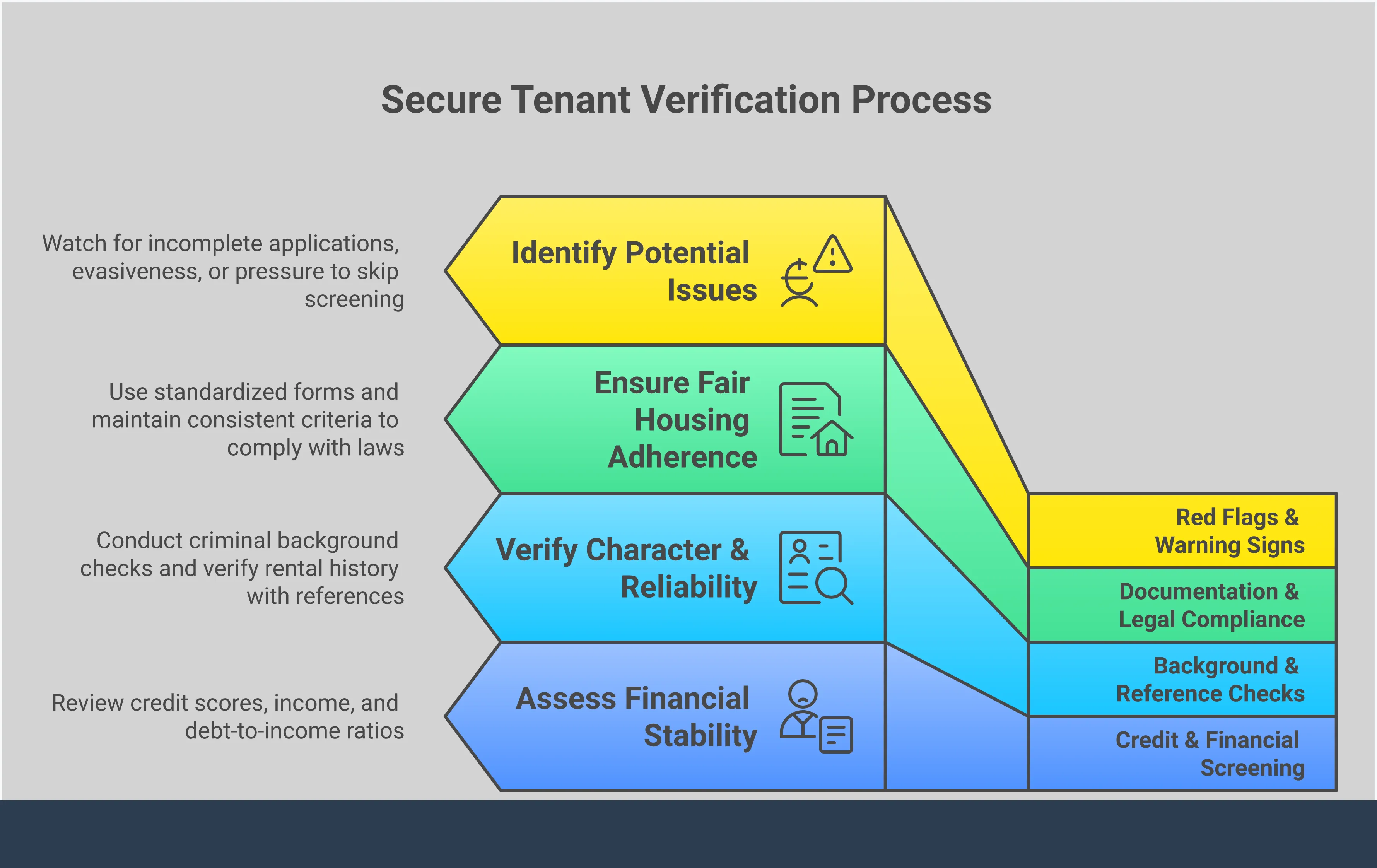
In a world of editable PDFs and fake pay stubs, it’s become alarmingly easy for applicants to misrepresent themselves. Relying on documents an applicant emails you is a huge gamble. Secure verification is your first line of defense against the growing problem of rental application fraud. A proper verification process confirms an applicant's identity and cross-references their information against reliable data sources to check for authenticity. This helps you weed out fraudulent applications before they become a problem, ensuring the person you’re renting to is exactly who they claim to be. This is a critical component of landlord risk management and the best way to protect your property from someone with dishonest intentions.
The rental industry is governed by a complex web of regulations, including the Fair Credit Reporting Act (FCRA) and Fair Housing laws. It’s your responsibility to follow them, but it can be tricky to keep up. For example, the Consumer Financial Protection Bureau has noted that many landlords fail to properly inform applicants of their right to dispute information found in a screening report. Using a secure, compliant verification service takes the guesswork out of the process. These services are designed to operate within legal guidelines, ensuring you provide the correct notices and handle sensitive data properly. This protects you from potential lawsuits and fines while also treating every applicant fairly and consistently.
A single bad tenant can cost you thousands of dollars in unpaid rent, legal fees for eviction, and property damage. A comprehensive screening report gives you a much deeper look at an applicant than what they might present on paper. It helps you spot potential red flags, like a history of evictions or a significant amount of debt, before you hand over the keys. By investing a small amount in a secure verification process upfront, you significantly reduce your financial risk. This is one of the most effective ways to protect your rental property, which is a major financial asset. Our process for landlords is designed to give you the confidence you need to make the right choice.
When you have a vacant unit, the pressure to fill it fast is real. It can be tempting to take a shortcut on tenant screening, maybe by just glancing at a pay stub or trusting a gut feeling. But taking the time for thorough verification isn't just a best practice; it's the very foundation of successful property management. Skipping this crucial step opens you up to a world of preventable problems, from financial losses and legal headaches to property damage that can take months to fix. Think of proper screening as your first and best line of defense. A solid landlord risk management strategy starts with knowing exactly who you're handing the keys to. It establishes trust and protects your investment from the very beginning. A good screening process helps you find reliable tenants and avoid problems, which in turn builds your reputation as a great landlord. In contrast, a reputation for being lax can attract tenants who are trying to hide something, creating a cycle of difficult situations. Ultimately, a comprehensive verification process is an investment in your property's future and your own peace of mind.
It’s easier than ever for applicants to create fake pay stubs or alter bank statements. If you don't verify the information you're given, you could approve a tenant who can't actually afford the rent. This leads directly to missed payments, stressful conversations, and the costly process of eviction. A fraudulent application isn't just a white lie; it's a major red flag. Using layered screening tools that cross-reference information is the most effective way to catch inconsistencies. By carefully checking applicant documents, you can weed out these risky applications and make sure your decisions are based on accurate, verified data, protecting your cash flow.
The world of rental laws is complex, and making a mistake can be expensive. Landlords are subject to regulations like the Fair Credit Reporting Act (FCRA) and Fair Housing laws. For example, the FCRA requires you to inform applicants of their right to dispute information in a screening report. Many landlords miss this step, which can lead to serious legal exposure. Using a compliant screening service ensures these rules are followed automatically. This protects you from fines and lawsuits while showing tenants you operate a professional, fair business. Staying on the right side of the law isn't just about avoiding trouble; it's about building a reputable and sustainable rental business.
A tenant's history is often the best predictor of their future behavior. A thorough screening process that includes rental and criminal background checks helps you find reliable tenants who will treat your property with respect. Landlords who screen tenants well can avoid the nightmare scenarios of significant property damage, late-night noise complaints, and other lease violations. More importantly, it helps you avoid the eviction process altogether. Evictions are not only expensive in terms of legal fees and lost rent, but they are also incredibly time-consuming and emotionally draining. A few hours spent on proper screening upfront can save you months of stress down the road.
The rental market moves fast, and the tools we use for screening need to keep up. Gone are the days of just running a simple credit check and calling it a day. Today’s environment requires a smarter, more secure approach to verification. An applicant can look perfect on paper, but a deeper look is necessary to spot potential red flags before you hand over the keys. This is where modern verification methods come into play, offering a much clearer picture of who you’re renting to by combining multiple data points into one cohesive profile.
The best screening services now use advanced technology, like AI-powered identity verification and income analysis, to confirm an applicant is who they say they are and can comfortably afford the rent. Instead of manually sifting through pay stubs and bank statements, these systems can automate the process, saving you time and reducing the chance of human error. These tools don't just pull a single report; they create a layered screening process that significantly reduces your risk and strengthens your Fair Housing compliance. As the tenant screening market continues to grow, adopting these kinds of proptech innovations is how savvy landlords and property managers can stay ahead of the curve. It’s about working smarter, not harder, to protect your investment and build a community of reliable tenants.
This is exactly why the Portable Tenant Screening Report (PTSR) is such a game-changer for landlords. It bundles a comprehensive, Experian-powered background check, including credit, criminal, and eviction histories, into a single, secure, and reusable report. The renter purchases the report and shares it directly with you, which streamlines the application process and puts them in control of their sensitive data. For you, this means you get a verified, in-depth look at your applicant without the administrative hassle. It brings the rigor of identity verification and fraud prevention to your leasing process, helping you make confident decisions while staying fully compliant with state laws.
When you’re choosing a tenant screening service, it’s easy to get overwhelmed by options. But not all background checks are created equal. A basic check might give you a glimpse into an applicant's history, but a great verification service acts as a true partner in protecting your investment. It goes beyond the surface to give you a clear, accurate, and secure picture of who you’re renting to. Think of it less as a simple report and more as a complete verification system.
The best services are built on four essential pillars: ironclad security, smart fraud detection, comprehensive data, and guaranteed legal compliance. These aren’t just nice-to-haves; they are the core features that separate a reliable service from one that could leave you exposed to risk. A modern verification process should make your job easier, not add more worries. By focusing on these key features, you can confidently choose a service that helps you find trustworthy tenants while keeping your rental business safe and compliant.
You’re handling some of the most sensitive personal information imaginable, from Social Security numbers to income details. That’s why top-tier security isn’t optional. A great verification service uses bank-level security and end-to-end encryption to protect every piece of data. This means information is scrambled and unreadable to anyone without authorized access, just like at a major financial institution. This level of security is fundamental to how tenant verification improves property management by creating a smoother, more secure process for everyone. It protects you from liability in case of a data breach and shows applicants that you take their privacy seriously, building trust from the very first interaction.
In a world of Photoshop and fake document generators, manually verifying pay stubs and bank statements is becoming nearly impossible. This is where artificial intelligence comes in. The best tenant screening services use AI to spot red flags that the human eye might miss. AI-powered identity verification can cross-reference information to confirm an applicant is who they say they are. It can also analyze financial documents for signs of tampering and flag inconsistencies in an application. This technology is a game-changer for preventing rental scams and ensuring an applicant can comfortably afford the rent, giving you confidence in your decision.
Making a quick decision is often essential in a competitive rental market, but you can’t sacrifice accuracy for speed. A great verification service gives you the best of both worlds with real-time access to comprehensive reports. Instead of waiting days for outdated information, you get an up-to-the-minute look at an applicant’s history. Verified financial and identity data, automated ID checks, and real-time fraud signals provide a more complete view of each applicant. This includes a full credit report from a major bureau like Experian, a nationwide criminal and eviction search, and verified income information, all delivered securely in one easy-to-read report.
Navigating landlord-tenant law can be complex, and making a mistake can be costly. The Fair Credit Reporting Act (FCRA) has strict rules about how you can use consumer reports for tenant screening. Choosing a service that guarantees FCRA compliance is critical to safeguarding your investment. A compliant service ensures you have permissible purpose, get proper consent from the applicant, and follow all required procedures, like providing adverse action notices if you deny an application based on the report. This takes the legal guesswork off your plate and protects you from potential lawsuits, allowing you to focus on finding the right tenant for your property.
Switching to a secure verification process might sound complicated, but modern services have made it surprisingly straightforward. Instead of a messy pile of paperwork, you get a clear, streamlined system that protects you and your potential tenants. It generally boils down to three key phases: confirming the applicant's identity with their consent, using technology to verify their documents, and delivering a comprehensive report through a secure channel. Let's walk through what each step looks like in practice.
The first step is all about establishing trust and staying compliant. Before you look into anyone’s background, you need to confirm they are who they say they are and get their explicit permission to run a screening. Modern services use verified financial and identity data to help you confirm an applicant's identity and financial standing. This process is built around renter consent. The applicant securely connects their accounts to provide the necessary information, giving them control. This is a huge improvement over asking for paper documents and ensures you have the green light to proceed, which is a legal must-have for any landlord.
Once you have consent, technology takes over the heavy lifting. Gone are the days of manually squinting at pay stubs or bank statements and hoping they’re legitimate. AI-powered systems automatically evaluate tenant applications by cross-referencing information and analyzing documents for authenticity. These tools can spot inconsistencies or signs of fraud that the human eye might miss, bringing much-needed clarity and consistency to the verification process. This automated approach doesn't just save you time; it replaces manual guesswork with verified data, giving you a more accurate picture of an applicant’s qualifications and reducing your risk.
After the automated checks are complete, all the verified information is compiled into a single, comprehensive report. This report gives you a much deeper look at an applicant who might seem perfect on paper, helping you spot potential red flags before you hand over the keys. More importantly, this sensitive data is delivered securely. Instead of risky email attachments, you’ll access the report through a secure online portal. This method protects everyone’s private information and ensures you are using layered screening tools that strengthen your compliance with fair housing laws and protect your investment.
Screening potential tenants is one of the most important parts of being a landlord, but it’s also where some of the biggest headaches can pop up. You’re trying to find a reliable renter who will take care of your property, but the path to that handshake is often filled with obstacles. From spotting increasingly sophisticated fake documents to keeping up with a dizzying web of regulations, the verification process can feel like a full-time job in itself.
On top of that, you’re handling incredibly sensitive personal data, which puts the responsibility of security squarely on your shoulders. Creating a process that is fair, consistent, and thorough for every single applicant adds another layer of complexity. Let's break down these common challenges and why they make a secure, streamlined verification system so essential.
In a world of digital tools, creating a fake pay stub or bank statement is easier than ever. An application that looks perfect on the surface might be built on completely fabricated information. Manually verifying every detail can be incredibly time-consuming, and even the most careful eye can miss a well-made forgery. This puts you at risk of renting to someone who can't actually afford the property, leading to missed payments and potential eviction battles down the road. Automated systems that can analyze tenant documents for authenticity are becoming a crucial tool for weeding out fraudulent applications and ensuring you’re making decisions based on real information.
The legal landscape for landlords is constantly shifting. Between federal laws like the Fair Credit Reporting Act (FCRA), state-specific rules, and local ordinances, staying compliant can feel like trying to hit a moving target. For example, the Fair Credit Reporting Act requires you to inform applicants of their right to dispute information in a screening report. According to the Consumer Financial Protection Bureau, many landlords don't consistently provide these notices, which can lead to legal trouble. Without a clear and compliant process, you could unintentionally violate a renter’s rights, opening yourself up to fines and lawsuits.
When a potential tenant applies for your property, they are trusting you with their most sensitive information: Social Security numbers, bank account details, and employment history. As the landlord, you are responsible for protecting that data. Storing paper applications in a filing cabinet or saving digital files on an unsecured computer creates a massive liability. Some outdated methods even involve asking for login credentials to a tenant's bank or employer portal, which is a huge data security risk. A single data breach can damage your reputation and lead to serious legal consequences, making a secure, encrypted system a non-negotiable part of modern landlording.
To ensure you’re compliant with the Fair Housing Act, you need to have a standardized screening process for every applicant. This means you ask for the same information, run the same checks, and use the same criteria to evaluate everyone. A consistent process not only protects you from accusations of discrimination but also makes your decision-making more efficient and defensible. Using a layered screening approach that is applied uniformly helps you reduce risk while treating every potential tenant fairly. It removes guesswork and ensures you’re making objective, fact-based decisions every time.
When it comes to tenant verification, a few common misconceptions can hold landlords back from adopting a secure and effective process. These myths often lead to risky shortcuts that can end up costing you much more in the long run. Let's clear up some of the biggest myths so you can screen applicants with confidence and protect your investment.
Many landlords worry that proper screening is a costly and optional step. The truth is, the long-term costs of a bad tenant almost always outweigh the small, upfront expense of verification. Avoiding a difficult tenancy saves you from lost rent, legal fees, and property damage. A portable screening report shifts the cost to the renter, who pays a single fee for a report they can use for multiple applications. This makes the process affordable for everyone involved and ensures you get the information you need without breaking your budget. You can see how this pricing model works for landlords, partners, and renters.
It’s natural to be concerned about handling sensitive data, but modern verification methods actually protect privacy far better than old-school practices. Leaving a paper trail of Social Security numbers and bank statements creates unnecessary risk. Secure platforms are built to prevent this. As one industry expert explains, "Data privacy isn’t just about compliance; it’s about maintaining trust with your tenants." A secure system gives applicants control over their own information, allowing them to grant and revoke access instantly. This approach shows you respect their privacy, which helps you build a positive relationship from day one.
Thinking any background check will do is a critical mistake. A quick, unverified search can easily miss major red flags. A truly comprehensive tenant screening report gives you a much deeper look at an applicant who might seem perfect on paper. It pulls together verified information from trusted sources like Experian to confirm credit history, nationwide criminal records, eviction history, and income. This complete picture is what helps you spot inconsistencies and make an informed decision. Settling for a less thorough report means you might not get the full story until it’s too late.
When you’re ready to find a new tenant, one of the first questions you’ll likely ask is about the cost of screening. The price for tenant verification can vary quite a bit, depending on the provider and how detailed the report is. Think of it as an investment in protecting your property. The small upfront cost of a thorough screening is minimal compared to the potential financial headache of a difficult tenancy. Let's break down what you can expect to pay and how to think about the costs involved.
Tenant screening services typically charge in one of two ways: a flat fee per report or a monthly subscription. A single report can range from $25 to $75, usually including essentials like a credit report, criminal background check, and eviction history. More advanced services might offer deeper insights, such as AI-powered identity verification and income analysis, which can give you greater confidence that an applicant is who they say they are and can comfortably afford the rent. For landlords with multiple properties, a subscription model might be more cost-effective. These plans can offer a set number of screenings per month for a fixed price, which often lowers the cost per applicant.
The good news is that you don’t always have to absorb the cost of screening yourself. It’s standard practice for landlords to pass the cost on to the applicant as part of a non-refundable application fee. This is a widely accepted part of the rental process. Another way costs are being managed is through the growing adoption of portable screening reports. With a service like Portable Tenant, renters pay a single fee for a comprehensive report they can share with multiple landlords. This saves them money and makes your application process more appealing, while you still get the secure verification you need at no cost to you.
It’s helpful to view tenant screening not as a cost, but as a crucial part of your risk management strategy. The fee for a comprehensive report is a small price to pay to avoid the thousands of dollars you could lose from unpaid rent, property damage, or lengthy eviction proceedings. A thorough screening process helps you find reliable tenants who will pay on time and take care of your property. This not only protects your investment but also helps you build a reputation as a great landlord. Avoiding common tenant screening mistakes from the start is one of the smartest financial decisions you can make for your rental business.
Putting a secure verification system in place might sound complicated, but it’s really about being consistent, compliant, and smart with your tools. A solid process protects your investment, respects applicants' rights, and saves you from major headaches down the road. Here’s how you can get started with a verification method that works for you and your future tenants.
Think of your verification process as your property's first line of defense. To make it effective, you need to apply the same standards to every single applicant. This consistency isn't just about fairness; it's about creating a reliable system that minimizes risk. Start by defining what a complete application looks like for you. A solid tenant screening report is typically built on three pillars: a credit report, a criminal background check, and an eviction history. By making these checks a non-negotiable part of your process, you get a clear, comprehensive picture of who might be living in your property. This standardized approach helps you spot red flags early and establishes a foundation of trust from day one.
Navigating the legal side of tenant screening is critical. The most important rule is to be transparent and always get an applicant's consent before you run any checks. This means clearly explaining what your screening process involves and getting their permission in writing. You also have a legal duty under the Fair Credit Reporting Act (FCRA) to inform applicants of their right to dispute inaccurate information. Unfortunately, many landlords fail to provide these notices, leaving renters unable to correct errors. If you decide to deny an applicant based on their report, you must send them an adverse action notice. Staying compliant protects you from legal trouble and shows respect for your applicants.
Manually verifying documents and cross-referencing information is time-consuming and leaves room for error. This is where technology can be a game-changer. Modern verification services use automated systems to analyze applications, confirm identities, and check for fraudulent documents with incredible accuracy. This "Know Your Tenant" or KYT approach relies on verified data sources rather than just taking paperwork at face value. Using a service that leverages this technology helps you make decisions based on accurate information, not just what an applicant presents. It streamlines the entire process, helping you weed out fake applications and select reliable tenants with confidence, all while saving you valuable time.
Isn't my current method of checking pay stubs and calling references good enough? While checking references is a good step, relying on paper documents like pay stubs has become very risky. It's surprisingly easy for applicants to create fake documents that look completely real. A secure verification process goes deeper by using technology to confirm income and identity directly from verified sources. This gives you a much more accurate picture and protects you from potential fraud that a visual check might miss.
I'm a small landlord with only one property. Does this really apply to me? Absolutely. In fact, it might be even more important for you. For a small landlord, a single bad tenancy can have a huge financial impact. The costs of unpaid rent, potential legal fees for an eviction, and property damage can be devastating. Using a secure verification process is your best form of insurance to protect what is likely one of your biggest financial assets.
How does a Portable Tenant Screening Report (PTSR) make this process easier for me? A PTSR streamlines everything. Instead of you collecting application fees and running checks yourself, the renter purchases one comprehensive report and shares it with you securely. This means you get a complete, verified background check, including credit, criminal, and eviction history, without the administrative work. It saves you time, reduces your compliance burden, and makes the process smoother for everyone.
I'm worried about handling sensitive data. How does this process protect me from liability? This is one of the biggest benefits of using a modern verification service. Instead of you collecting and storing sensitive documents like Social Security cards or bank statements, the applicant shares their information through a secure, encrypted platform. The service handles the data protection, which significantly reduces your liability. You get the verified information you need without the risk of keeping private data in a filing cabinet or on your computer.
This sounds like it will cost me a lot of money. Is it worth it? It's helpful to think of verification not as a cost, but as an investment in protecting your property. The small fee for a thorough report is minimal compared to the thousands of dollars you could lose from a single eviction or months of unpaid rent. Plus, with a portable report system, the applicant often pays the fee for a report they can reuse, meaning you get the protection you need at no direct cost to you.