
A vacant property costs you money every single day. The traditional screening process, with its endless paperwork and back-and-forth, only prolongs the vacancy. You’re left chasing down application fees and waiting on reports, while great applicants move on to more efficient landlords. There is a better way. A modern screening process streamlines everything, allowing you to review comprehensive, verified reports almost instantly. By adopting a system that provides secure tenant screening for renters, you eliminate friction and delays. This helps you fill vacancies faster with qualified tenants who appreciate a smooth, professional experience from the very beginning.
Tenant screening is your process for evaluating potential renters before you hand over the keys. It’s how you verify the information on a rental application to find a responsible and reliable tenant for your property. A standard screening report gives you a look into an applicant's financial and rental background, typically including a credit report, nationwide criminal and eviction histories, and income verification. But it’s not just about getting this information; it’s about how you get it. That’s where secure screening comes in.
Secure tenant screening means using a process that protects the applicant’s sensitive personal data, like their Social Security number and financial details. In an age where everyone is more conscious of data privacy, showing applicants you take their security seriously can set you apart. It builds trust from the very first interaction and can attract more qualified renters who are careful about where they share their information. Using a modern, secure screening process shows that you’re a professional and considerate landlord, which is exactly the kind of person great tenants want to rent from.
A thorough screening process is one of the best tools you have for protecting your investment. Verifying an applicant's income helps you confirm they can comfortably afford the rent, reducing the risk of late or missed payments. Similarly, their credit and rental history can give you a sense of their financial responsibility and track record as a tenant. It’s all about making an informed decision rather than relying on a gut feeling.
But protection is a two-way street. For renters, a secure screening process protects their sensitive data from being stored on multiple unsecured laptops or in filing cabinets. When you use a service that gives renters control over their own data, you offer them peace of mind. They can share their information confidently, knowing it’s protected by bank-level security and that they can revoke access at any time. This approach helps you find great tenants while respecting their privacy.
When you screen tenants, you are handling sensitive information that is regulated by federal and state laws, most notably the Fair Credit Reporting Act (FCRA). These laws aren't just suggestions; they are strict rules with real consequences. For example, if you decide to deny an applicant based on information found in their screening report, you are legally required to provide them with an adverse action notice. This notice informs them of the decision and which reporting agency provided the information.
Failing to follow these regulations can lead to lawsuits and significant fines. The legal landscape can be complex, but it’s a landlord's responsibility to understand and adhere to it. Using a fully compliant screening service is the easiest way to make sure you’re always on the right side of the law. It automates many of these legal requirements, taking the guesswork out of the process and letting you focus on finding the right fit for your property.
When you receive a tenant screening report, it’s tempting to look for a single score or a simple "yes" or "no." But a truly useful report is much more than that. It’s a detailed story that gives you a well-rounded view of your applicant. Think of it as a puzzle where each piece provides a different clue about their reliability and history as a renter. Making an informed decision isn’t about finding a "perfect" tenant; it’s about finding the right tenant for your property, and a comprehensive report is your best tool for the job.
A complete screening report gives you the objective information you need to fairly evaluate every person who applies. Tenant screening services provide landlords with background checks, credit reports, eviction history, and income verification to evaluate potential renters before you hand over the keys. By looking at the full picture, you can confidently choose a tenant who is likely to pay rent on time, care for your property, and be a good neighbor. This approach not only protects your investment but also ensures you’re following fair housing laws by applying the same criteria to everyone. The best screening reports bundle these key insights into one easy-to-read document, so you can see how all the pieces fit together. We’ll break down the four main parts you should always review.
An applicant's credit report tells a story about their financial responsibility. It’s your window into how they’ve managed their financial obligations in the past. While the three-digit credit score gets most of the attention, the details behind it are what really count. Look for patterns in their payment history, the amount of debt they carry, and any accounts that have gone to collections. This information helps you gauge their ability to handle debt and meet their commitments.
A strong credit history often points to a reliable tenant, but don't automatically disqualify someone for a lower score. Life happens, and things like medical bills or a past job loss can impact credit. The key is to look at the context. Consistent late payments on multiple credit cards might be a red flag, while a single past issue might be explainable. A comprehensive credit report from Experian will give you the details you need to make a fair assessment.
A criminal background check is a standard part of the screening process, designed to help ensure the safety of your property and the community. These checks search national, state, and local databases for criminal records associated with the applicant. This helps you identify any relevant history that might pose a risk to other tenants or your investment. It’s an essential step in performing your due diligence as a landlord.
However, it's critical to handle this information correctly. According to the Fair Housing Act, you can't have a blanket policy of rejecting anyone with a criminal record. Instead, you must consider the nature of the offense, when it occurred, and whether it’s relevant to their ability to be a good tenant. A secure screening report will provide the necessary details so you can make an individualized and compliant decision.
Past behavior is one of the strongest predictors of future actions, which is why an applicant's rental history is so important. This part of the screening report shows you if a potential tenant has any prior evictions on their record. An eviction filing is a significant red flag, as it indicates a serious issue with a previous landlord, whether it was for non-payment of rent or another major lease violation.
Beyond formal evictions, a thorough report can give you a clearer picture of their reliability. While you can call previous landlords for references, an official report provides objective, verified data that isn't subject to personal opinion. Reviewing an applicant's rental history helps you avoid potential problems down the road and find someone who has a proven track record of being a responsible tenant. As a landlord, this is one of the most direct ways to protect your property and your rental income.
Confirming that an applicant can afford the rent is fundamental to a successful tenancy. Income verification does just that, by confirming that their stated income is accurate and stable. While pay stubs have long been the standard, modern screening services offer more secure and reliable methods. For example, some services can directly and securely link to an applicant's bank account to verify their income and cash flow, which is much harder to falsify.
By verifying an applicant's income, you can determine whether they can comfortably afford to pay rent on time each month. A common guideline is for a tenant's gross income to be at least three times the monthly rent, but you can set your own reasonable criteria. Securely handling this sensitive financial data is also crucial. Reputable screening services follow strict laws governing the collection and storage of applicant data, ensuring both you and your applicant are protected.
Choosing a tenant screening service isn't just about getting a background check; it's about selecting a partner to handle sensitive information securely and legally. With so many options available, it’s easy to get overwhelmed. The best way to cut through the noise is to focus on three core pillars: legal compliance, data security, and renter privacy. A service that excels in these areas protects you from legal trouble, safeguards applicant data from breaches, and builds the kind of trust that attracts high-quality, responsible renters to your property. Let's break down what to look for in each of these critical areas.
First and foremost, any screening service you use must be compliant with the Fair Credit Reporting Act (FCRA). This federal law sets the rules for how consumer credit information is collected, accessed, and used. For landlords, this is non-negotiable. FCRA compliance ensures the reports you receive are obtained legally and that you follow the proper procedures. For example, if you decide not to rent to someone based on their report, you are legally required to provide them with an adverse action notice. Choosing an FCRA-compliant service helps you meet these obligations and protects you from potential lawsuits.
You're handling some of your applicant's most sensitive information, including their Social Security number, financial history, and address history. That data needs to be protected with the highest level of security. When comparing services, look for mentions of bank-level or military-grade encryption. This ensures that all the data shared between the applicant, the service, and you is unreadable to anyone who might try to intercept it. A secure service protects your applicants from identity theft and protects you from the liability that comes with a data breach. This is a fundamental part of a professional and trustworthy screening process.
Modern screening services are shifting toward a more transparent and renter-friendly model. Look for platforms that give applicants control over their own data. For instance, a Portable Tenant Screening Report puts the renter in the driver's seat, allowing them to share their verified report with multiple landlords and revoke access at any time. This approach does more than just protect privacy; it builds trust from day one. When renters feel respected and in control of their information, they are more likely to view you as a responsible and fair landlord, which helps you attract a better pool of applicants.
When you're evaluating a tenant screening service, security shouldn't be an afterthought. It should be at the top of your checklist. The right features protect your applicants' sensitive information, shield you from liability, and build a foundation of trust from the very first interaction. A secure process shows applicants that you’re a professional and responsible landlord. Here are the four non-negotiable security features to look for in any screening service you consider.
Think of bank-level encryption as a digital vault for data. It’s the same high-level security that financial institutions use to protect account information. A tenant screening report contains a goldmine of personal data, including Social Security numbers, credit histories, and income details. Using a service with robust encryption is essential to protect this information from unauthorized access and potential data breaches. This feature isn't just about protecting the applicant; it also protects you from the legal and financial fallout that can happen if your process exposes a renter’s private data.
The best screening services empower renters by giving them control over their own information. Look for platforms where applicants can grant and revoke access to their reports. This means a renter can share their screening report with you and then turn off access once you’ve made your decision. This level of control is a major factor in building trust. When applicants feel their privacy is respected, they are more comfortable with the process and more likely to apply to your property. This feature is a cornerstone of how portable screening reports function, making the process more transparent for everyone.
Navigating the web of rental laws can be complex, but your screening service should make it easier, not harder. A crucial feature is built-in compliance with federal and state regulations, especially the Fair Credit Reporting Act (FCRA). The service should clearly state its adherence to these laws. It should also provide tools to help you meet your legal obligations, such as generating an adverse action notice if you deny an applicant based on information in their report. This ensures your screening process is not only effective but also fair and legally sound.
How a report gets from the applicant to you matters. Emailing sensitive documents as PDF attachments is an outdated and insecure practice. Instead, a secure screening service will use a unique, encrypted link to share the report. This link ensures only you can view the information, and it often expires after a set period to prevent lingering access. This method is not only safer but also creates a clean, professional experience for the applicant. It eliminates the risk of reports being accidentally forwarded or stored insecurely, giving both you and your potential tenant peace of mind.
Choosing the right tenant screening service goes beyond just checking a box. A secure and efficient process is one of the best tools you have for protecting your investment, your time, and your peace of mind. When renters see that you use a professional, transparent service that respects their data, it sets a positive tone for the entire landlord-tenant relationship. It signals that you’re a serious, trustworthy landlord, which in turn helps you attract other serious, trustworthy people to your property. It’s a small choice that makes a big statement about the kind of landlord you are.
Ultimately, a great screening service helps you make better decisions with less stress. Instead of sifting through incomplete applications, chasing down references, or trying to piece together information from multiple sources, you get a consistent, reliable report for every applicant. This allows you to compare candidates fairly and confidently, based on comprehensive data that is easy to understand. By streamlining this critical step, you can reduce the time your property sits empty and build a foundation for a stable, positive rental experience for everyone involved. It’s about working smarter, not harder, to find the right person for your property.
An empty property isn’t just quiet; it’s costly. A streamlined and secure screening process is your fastest route to finding a great tenant. When applicants can easily and securely submit their information through a service like Portable Tenant, the entire timeline shrinks. There’s less back-and-forth and fewer delays. Tenant screening helps landlords find reliable renters who respect the property and pay rent on time. A faster, more professional application process not only fills your vacancy sooner but also reduces the stress that comes with uncertainty, getting you from listing to lease signing in less time.
The best renters are often the most prepared and security-conscious. They look for landlords who are professional and who respect their privacy. Using a secure, modern screening service is a clear signal that you are exactly that type of landlord. This critical process helps you make informed decisions about prospective tenants, and it also makes your property more appealing to the responsible applicants you want to attract. When renters know their sensitive information is protected and they have control over their data, they are more likely to apply. This simple choice can improve the quality of your applicant pool from the very start.
Guesswork has no place in tenant selection. A comprehensive screening report gives you the clarity you need to choose your next tenant with confidence. Secure screening services provide landlords with background checks, credit reports, eviction history, and income verification to evaluate potential renters before signing a lease. This isn't about digging for dirt; it's about confirming that an applicant has a reliable history and the financial stability to handle rent payments. With a complete report in hand, you can verify the information an applicant provides and get a well-rounded view, ensuring you find a tenant who is a great fit for your property.
Imagine a rental application process that’s faster, more secure, and less work for everyone involved. That’s the promise of portable tenant screening. Instead of the old, repetitive cycle of applicants paying for a new report for every property, this modern approach streamlines everything. By accepting a single, reusable report, you not only speed up your leasing cycle but also attract top-tier applicants who appreciate a transparent and respectful process. It’s a simple shift that can significantly reduce your administrative burden and help you build a foundation of trust with your future tenants from day one.
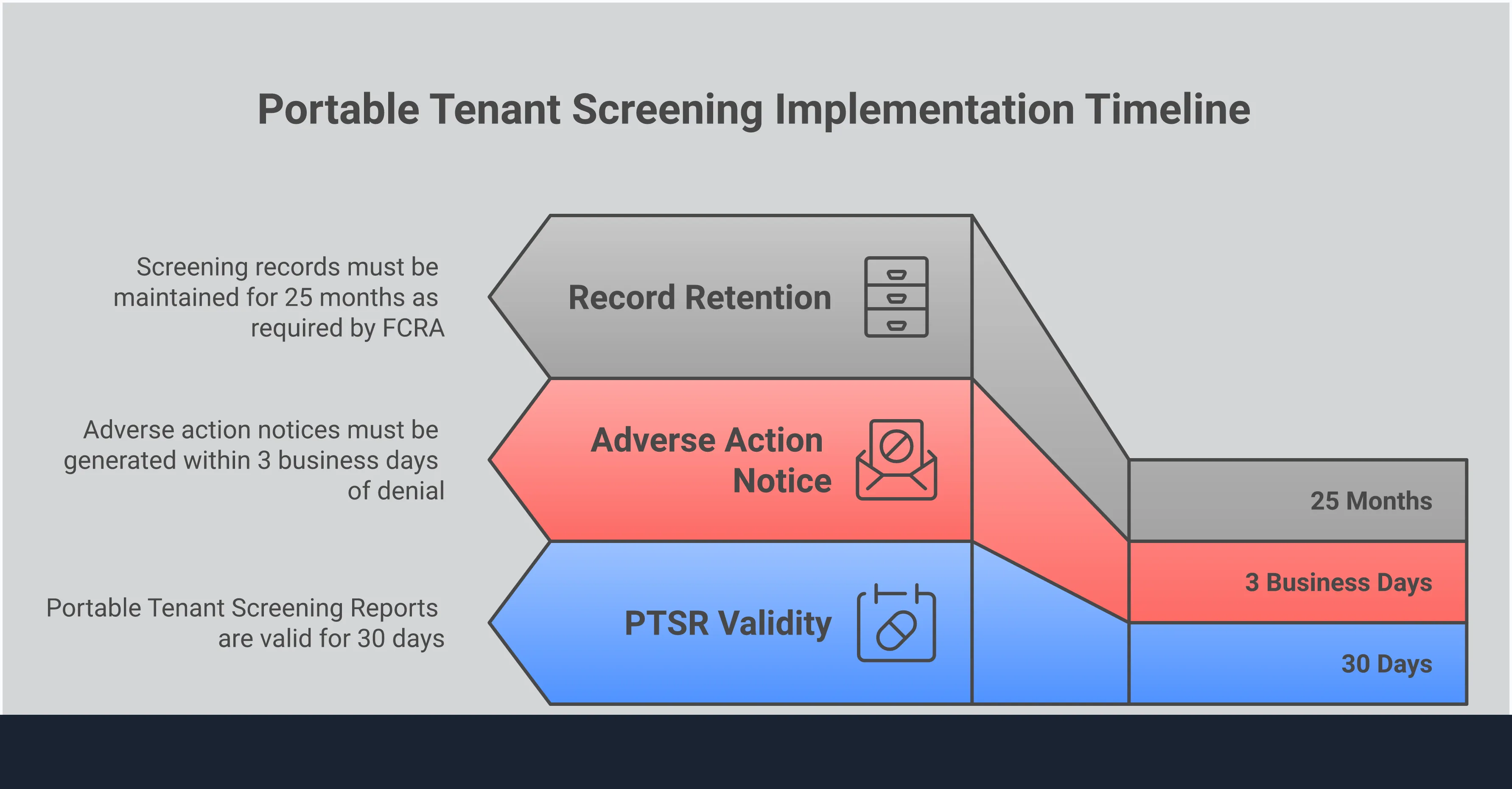
A Portable Tenant Screening Report (PTSR) is a comprehensive screening document that a renter pays for and can reuse for multiple applications. These reports are typically valid for 30 days and contain all the essential information you need, including credit history, background checks, and eviction records. When an applicant provides you with a PTSR, you receive a complete, verified report without having to run one yourself. This means you can review applications faster and move forward with qualified candidates, all while the applicant saves time and money. It’s a win-win that simplifies the first step of your rental process.
Trust is the cornerstone of any good landlord-tenant relationship, and it can start before a lease is even signed. With a portable screening model, renters have control over their personal information. They generate their own report and share it with you using a secure, encrypted link. This renter-controlled access shows applicants that you respect their privacy. It also gives them peace of mind, as they can revoke access at any time. By embracing a system that empowers renters, you position yourself as a modern, trustworthy landlord, which can make your property more attractive to responsible applicants who value their data security.
One of the biggest benefits of portable screening is the time it saves you. Think about the administrative tasks involved in traditional screening: collecting application fees, entering applicant data into a screening portal, and waiting for results. A PTSR eliminates most of these steps. Applicants come to you with a ready-made, comprehensive report in hand. Your job shifts from data collection to simply reviewing the finished product. This efficiency means you can fill vacancies faster, reduce the time your property sits empty, and focus on what matters most: finding the right tenant for your unit.
Tenant screening is a crucial step, but the costs can feel confusing. Let's break down the common pricing structures, who typically pays the fee, and how to avoid any surprise charges so you can budget effectively.
Most screening services offer a few different ways to pay. Some use a tiered package system, where you can choose from basic, standard, or premium reports. A basic check might cover eviction history, while a premium one adds a full credit report and criminal background check. Other services let you pick and choose reports à la carte. This flexibility is great because it allows you to select a tenant screening service that matches your specific needs and budget, ensuring you only pay for the information you actually require. This way, you can tailor your screening process for each property or applicant.
One of the first questions landlords ask is who foots the bill for screening. Traditionally, you have two options: pay for it yourself or have the applicant cover the cost as part of their application fee. Many landlords choose the second option, as it often helps ensure you’re dealing with serious applicants. However, a new model is becoming more common, especially in states with portable screening laws. With a Portable Tenant Screening Report, the renter pays a one-time fee for a comprehensive report they can share with multiple landlords. This saves everyone time and money, and you get a qualified applicant who’s already invested in the process.
When you're comparing services, make sure you're looking at the total cost. Some companies might advertise a low price but add on hidden charges like account setup fees, monthly subscriptions, or other costs you weren't expecting. A trustworthy service will be transparent about its pricing. You should be able to see exactly what you’re paying for without having to hunt for the fine print. With a portable report system, the renter pays a single, clear fee for their report. This means no surprise costs for you and a more straightforward process for everyone involved. Always look for clear, upfront pricing to avoid any budget headaches down the line.
Tenant screening can feel like it’s surrounded by confusing rules and outdated advice. When you’re trying to find the right renter for your property, the last thing you need is misinformation that could lead to a bad decision or a legal headache. Let’s clear the air and bust a few common myths so you can screen applicants with confidence and clarity. Understanding these facts will not only protect your investment but also help you build a better relationship with potential tenants from the very start.
It’s a widespread belief that every screening check dings an applicant's credit score, making them hesitant to apply. The truth is, it depends on the type of inquiry. When a landlord pulls credit directly, it can register as a "hard inquiry," which may slightly lower a score. However, when a renter initiates the check themselves and shares the report, it’s considered a "soft inquiry." This type of check has no impact on their credit score. Services that empower renters to control their own data use soft inquiries, which encourages more qualified people to apply without fear of damaging their credit.
Some landlords think a screening report is an all-access pass to a renter's entire financial and personal history. In reality, reports are much more focused. Credit information generally only goes back seven to ten years, and certain negative items have legally defined reporting limits. More importantly, a simple credit score doesn't tell the whole story. A truly comprehensive screening report gives you a balanced view by including rental history, income verification, and other factors that show you a person's reliability, not just a number. This gives you a clearer, more accurate picture of your applicant.
The old way of doing things involved collecting an application fee and running a new report for every single person who applied. This process is not only time-consuming and expensive for applicants, but it also creates extra administrative work for you. A much simpler and more modern approach is using a portable tenant screening report. With this method, renters purchase one comprehensive report that they can share with multiple landlords. This saves everyone time and money, builds trust with applicants, and helps you fill your vacancies with qualified tenants faster than ever.
Setting up a clear and consistent screening process is one of the best things you can do for your rental business. It helps you find reliable renters, protect your investment, and stay on the right side of the law. A little preparation here goes a long way in creating a smooth and positive experience for both you and your future tenants. By defining your criteria, choosing the right service, and understanding your legal duties, you can build a process that is fair, effective, and secure.
Before you even list your property, decide what your ideal renter looks like on paper. Creating a written list of your minimum requirements is a critical first step. This isn't about being picky; it's about being consistent and fair. Your criteria might include a minimum credit score, a specific income-to-rent ratio (like three times the monthly rent), and a clean rental history with no prior evictions.
Having these standards helps you evaluate every application equally, which is essential for complying with the Fair Housing Act. When you apply the same criteria to everyone, you protect yourself from accusations of discrimination and make your decision-making process straightforward and defensible.
Once your criteria are set, you need a reliable way to verify an applicant's information. Instead of trying to get reports directly from credit bureaus, using a compliant tenant screening service is much more efficient. These services bundle everything you need, including credit reports, criminal background checks, and eviction histories, into one easy-to-read report.
Look for a service that is fully compliant with the Fair Credit Reporting Act (FCRA). A modern, secure screening service not only provides comprehensive data but also prioritizes the applicant's privacy. Services that allow renters to purchase and share their own reports can streamline your process even further, saving you time and administrative work while building trust with applicants from the start.
Using a screening report comes with legal responsibilities, primarily under the FCRA. The most important rule to know is the requirement to provide an adverse action notice. If you decide to deny an applicant based on information found in their screening report, you are legally required to inform them.
This notice must include the reason for the denial (for example, their credit score), the name and contact information of the screening company that provided the report, and a statement that they have the right to dispute the accuracy of the information. It’s a simple but non-negotiable step that ensures transparency and gives applicants a chance to correct any potential errors in their file. You can find templates and more details on the FTC's website.
Choosing a screening service is a big decision. You're not just getting a report; you're trusting a company with sensitive applicant data and relying on their information to make a critical business choice. Before you commit to a provider, it’s smart to ask a few direct questions to make sure their process protects you, respects applicants, and gives you the accurate information you need. Think of it as interviewing a potential business partner.
First things first: ask about security. As a landlord, you have a responsibility to protect the personal information you collect. Ask potential providers how they handle and store applicant data. Are their systems encrypted? Where is the information kept, and who has access to it? A trustworthy service should be transparent about its security protocols and how it complies with state and federal laws governing data. You want a partner who takes data protection seriously, using measures like bank-level security to keep sensitive information safe from start to finish.
A screening report is useless if the information is outdated or incorrect. Making a decision based on bad data can lead to legal trouble and unqualified tenants. Ask the provider where they source their information. Do they pull from reliable credit bureaus? Are their criminal and eviction databases updated regularly and searched nationwide? A quality service will provide comprehensive reports that verify the details on the rental application, giving you confidence that you’re making a truly informed decision based on a complete and accurate picture of the applicant.
Today’s renters are savvy about their personal data, and they appreciate transparency. A screening process that gives applicants control can help you attract a better pool of candidates. Ask the provider what kind of privacy controls renters have. Can applicants view their own report to check for errors? Can they easily dispute incorrect information? Most importantly, can they control who sees their data and for how long? Services that champion renter-controlled data build trust from the very beginning, creating a positive and professional experience for everyone involved and simplifying the application process.
Why should I let a renter pay for and provide their own screening report? When an applicant pays for their own report, it often signals that they are serious about your property. This model also simplifies your job. You no longer have to collect application fees or spend time entering applicant data into a system. Instead, you receive a complete, verified report directly from a qualified candidate, which helps you make decisions faster and reduces your administrative workload.
How can I trust a report that the renter gives me? Can't they alter it? This is a common concern, but it's based on a misunderstanding of how secure services work. The renter doesn't just download a file and email it to you. Instead, they authorize a secure service to generate their report and then share a unique, encrypted link with you. You receive the verified information directly from the screening provider, ensuring the data is authentic and has not been tampered with.
What if a good applicant has a low credit score? Should I deny them? A credit score is just one piece of the puzzle, and it's important to look at the whole picture. A comprehensive report gives you the context behind the number. For instance, a lower score due to past medical bills or student loans tells a different story than a history of consistently late rent or credit card payments. By reviewing the entire report, you can make a more informed decision based on an applicant's overall financial responsibility, not just a single number.
Does using a compliant screening service handle all my legal responsibilities? While a compliant service is an essential tool for meeting Fair Credit Reporting Act (FCRA) requirements, it doesn't absolve you of all legal duties. You are still responsible for applying your screening criteria consistently to all applicants to comply with the Fair Housing Act. You also must be the one to send an adverse action notice if you deny an applicant based on their report. The service provides the tools, but the ultimate responsibility for fair and legal practices remains with you.
My current screening process seems to work. Why should I switch to a portable report system? Switching to a modern, portable system can make your "working" process much more efficient. It helps you attract a wider pool of responsible applicants who value security and privacy. Because applicants come to you with a report already in hand, you can fill vacancies faster and spend less time on administrative tasks. It shows you're a professional, forward-thinking landlord, which is a major advantage in a competitive rental market.