
The rental application process has changed. The days of waiting for faxes and playing phone tag with references are quickly becoming a thing of the past. Modern tools have made screening faster, more secure, and more efficient for everyone involved. A streamlined tenant assessment process, powered by technology like portable screening reports, saves you time and helps you fill vacancies before your best applicants find another place. It empowers renters and gives you instant access to the verified information you need to make a quick, confident decision. Let’s explore how you can update your workflow to save time, reduce costs, and secure great tenants.
Think of tenant assessment as the process of getting to know your potential renters on paper before you hand over the keys. It’s a crucial step that involves evaluating applicants to make sure they’re a good fit for your property. A thorough screening process looks at several key areas of a person’s history, including their financial health, past rental experiences, and any relevant criminal background. This isn’t about being nosy; it’s about being a responsible property owner.
The goal is to find reliable tenants who will pay rent on time and take care of your property. By gathering this information upfront, you can make an informed, fair, and confident decision. This protects your investment, ensures a safe environment for other tenants, and sets the foundation for a positive landlord-tenant relationship. A solid tenant screening process is one of the most effective tools you have for maintaining a successful rental business and avoiding preventable problems down the road.
Rushing through the screening process—or skipping it altogether—can lead to some serious headaches. Choosing the wrong tenant can result in a cascade of financial and emotional costs, from late or unpaid rent to significant property damage that goes far beyond normal wear and tear. You could also face unexpected legal fees if an eviction becomes necessary, not to mention the stress of managing conflicts with neighbors.
These issues don't just impact your bottom line; they drain your time and energy. Taking the time to conduct a thorough tenant assessment is your best defense against these potential nightmares. A little due diligence now can save you from months of stress and thousands of dollars in lost income and repairs later.
While a credit score is a useful piece of information, it only tells part of an applicant's story. Relying on that single number can cause you to overlook an otherwise great tenant or, worse, approve someone who poses a risk. A truly comprehensive screening report gives you a much more complete picture.
It provides critical context by including eviction history, criminal background checks, and income verification. This holistic view allows you to see if an applicant has a pattern of missing payments or a history of property-related issues that a credit score alone would never reveal. Using a complete report helps you make fair, consistent, and data-driven decisions for your property.
A thorough tenant assessment is about building a complete picture of your applicant, not just looking at one or two numbers. When you review an application, you’re looking for signs of responsibility, stability, and respect for the property. A comprehensive screening report gives you the data you need to see beyond the surface and make an informed, fair decision. By examining an applicant's financial habits, rental background, and employment stability, you can find a reliable tenant who will pay rent on time and take care of your property. This process protects your investment and helps create a positive rental experience for everyone involved.
An applicant’s credit history is a window into their financial responsibility. While a perfect score isn’t necessary, you should look for a consistent pattern of paying bills on time. A comprehensive screening report will show you their payment history, any accounts in collections, and significant debts like car loans or student loans. This helps you understand their overall financial health and whether they can comfortably afford the rent. Don’t just focus on the score itself; look at the details. A low score due to past medical debt is very different from one caused by consistently missed rent or credit card payments. It’s about understanding the story the numbers tell.
An applicant’s rental history is one of the most reliable predictors of their future behavior as a tenant. Reaching out to previous landlords can provide invaluable insight. Ask direct questions: Did they pay rent on time? Were there any complaints from neighbors? Did they give proper notice before moving out? How did they maintain the property? A positive reference from a past landlord is a strong indicator that you’ve found a great tenant. An eviction history, on the other hand, is a significant red flag that warrants a closer look and a direct conversation with the applicant to understand the circumstances.
Verifying an applicant's income and employment is essential to ensure they can consistently pay the rent. A common guideline is for a tenant’s gross income to be at least three times the monthly rent, but it’s important to consider their entire financial situation. A reliable screening service can help you verify their job history and income sources, which might include self-employment, child support, or retirement funds. Stable employment and sufficient income are strong signs that an applicant is financially prepared for the lease. If they just started a new job, ask for an offer letter to confirm their salary and start date.
When reviewing criminal and eviction records, your goal is to assess potential risk to your property and other tenants while remaining fair and compliant. It’s important to consider the nature and severity of any past offenses. Look at when the crime occurred and whether it’s relevant to their ability to be a good tenant—for example, a conviction for property damage is more concerning than a minor traffic violation from years ago. According to HUD guidance, you should focus on convictions, not just arrests, and conduct an individualized assessment rather than applying a blanket policy. Similarly, review any eviction records to understand the context and frequency.
While you review the application and screening reports, keep an eye out for inconsistencies that might signal a problem. Does the information on their application match what’s in the reports? For example, if they didn’t list a previous address where an eviction was filed, you should ask them about it. Other red flags include providing false references, being pushy or trying to rush the process, or being hesitant to sign a background check authorization. Trust your gut, but always base your decisions on documented facts. If something feels off, it’s always worth asking clarifying questions before moving forward.
Once you have a promising application, it’s time to verify the information. Thankfully, you don’t have to play detective on your own. A variety of tenant screening services can give you a clear, comprehensive picture of each applicant, helping you make a fair and informed decision. The right tool not only saves you time but also ensures you’re getting reliable, compliant data. Let’s walk through the most common options available to landlords today.
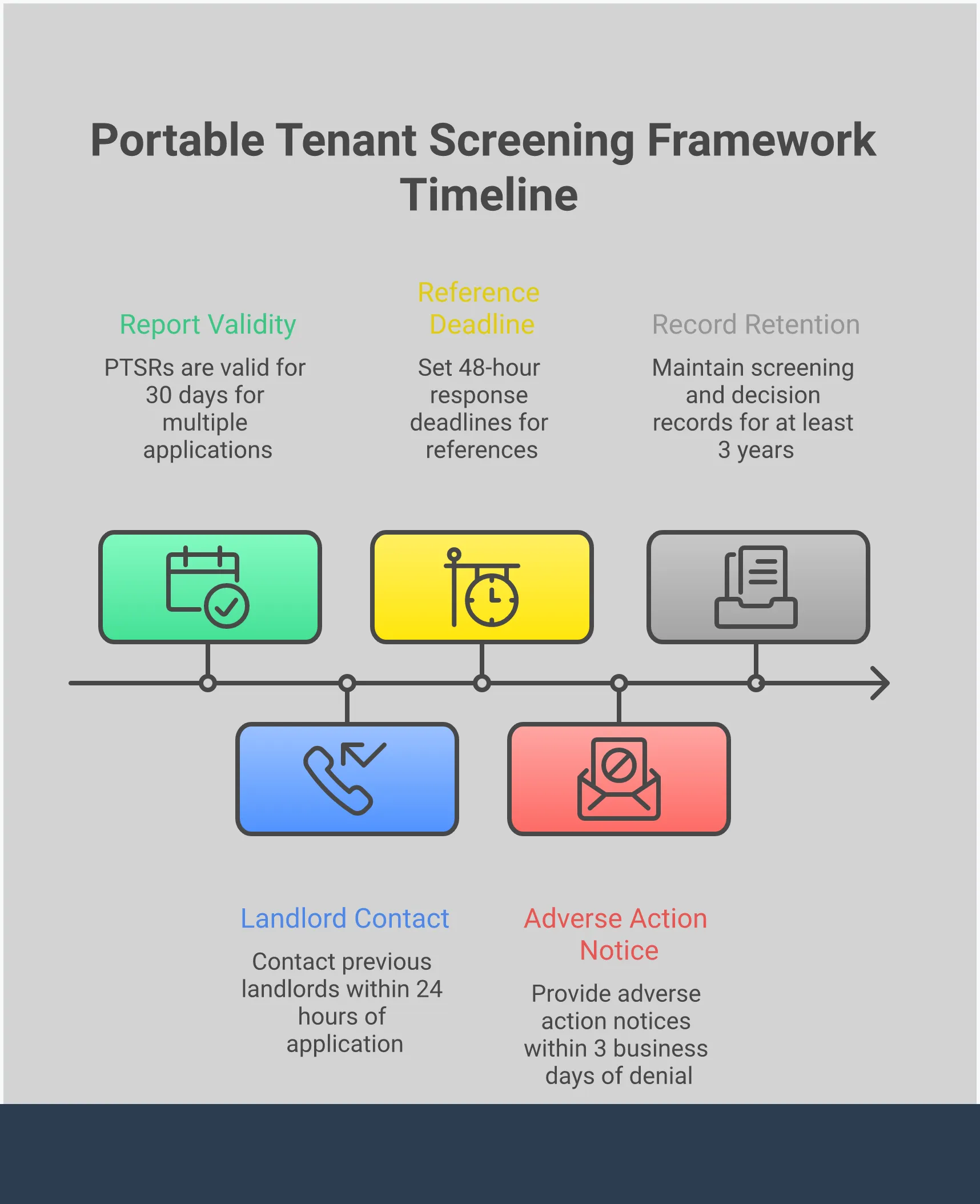
Portable Tenant Screening Reports (PTSR) are a modern approach that benefits everyone involved. With a PTSR, the renter pays for their own screening report and can then share it with multiple landlords. This saves them from racking up application fees and saves you the cost of running the report yourself. You get instant access to verified applicant data, allowing you to fill vacancies faster and at no cost. It’s a streamlined system that empowers renters while giving you the detailed information you need, like credit history, eviction records, and criminal background checks.
Traditional screening services are initiated and paid for by the landlord. You collect an application fee from the tenant to cover the cost, then run the background check through your chosen provider. A thorough screening process examines an applicant's financial health, rental history, and any relevant criminal background. These services are designed to give you a complete view of an applicant’s reliability and financial responsibility. While effective, this model can be slower and more costly for applicants who are applying to multiple properties, which is why many states are now embracing more modern screening solutions.
Think of automated risk assessment tools as your digital assistant for screening. These services, which include Portable Tenant Screening Reports, streamline the entire process. The applicant obtains their own credit and background checks, which are typically valid for 30 days, and shares them directly with you. This automation provides you with the essential insights you need to assess an applicant's reliability without the administrative hassle. It’s a quick, efficient way to get a data-driven snapshot of a potential tenant, helping you make faster, more confident decisions.
No matter which type of service you choose, there are a few non-negotiable features to look for. The best tenant screening services offer a holistic view of an applicant, including their eviction history, criminal background, and income verification. Just as important is security. The service must use top-tier security measures to protect sensitive personal data, ensuring you remain compliant with privacy laws. When you compare screening services, prioritize those that provide comprehensive data and robust security to safeguard both your business and your future tenants.
Staying on the right side of the law isn’t just about avoiding fines; it’s about running a fair, ethical, and sustainable rental business. Fair housing laws exist to ensure everyone has equal access to housing, and as a landlord, it’s your responsibility to uphold them. This means creating a consistent, objective, and well-documented screening process for every single applicant. When you treat everyone equally, you not only comply with the law but also build a positive reputation that attracts high-quality, responsible tenants who value fairness. Getting this right protects both you and your potential tenants, building a foundation of trust from the very beginning. It also helps you find the best possible tenant for your property by focusing on objective qualifications—like rental history and income stability—rather than subjective feelings or unconscious biases. This approach ultimately leads to better business outcomes, including longer, more stable tenancies and a more straightforward management experience. The key is to have a system in place before you even list your property.
At its core, complying with the federal Fair Housing Act means treating every applicant the same. The law prohibits discrimination based on race, color, religion, national origin, sex (including gender identity and sexual orientation), familial status, or disability. The easiest way to stay compliant is to establish clear, written rental criteria and apply them uniformly to everyone. As the Apartment Association of Greater Los Angeles advises, you should always “ask for the same information and ask the same questions to every person applying.” This consistency is your best defense against accusations of unfair practices. Create a standard checklist and stick to it, no matter what.
Federal law is just the starting point. Many states and cities have their own housing regulations, including new laws around Portable Tenant Screening Reports (PTSR). States like Colorado and Washington now have specific rules for accepting these reusable reports. If you operate in one of these areas, you need to understand your obligations. A compliant service will ensure you know that if you accept a PTSR, you cannot charge the applicant an additional screening or application fee. Staying current on your local laws is critical, and using a PTSR-compliant screening service is one of the simplest ways to make sure you’re following the rules.
A clear paper trail is essential for demonstrating compliance. From the moment you receive an application to your final decision, keep detailed records. This includes the application itself, the screening report, any notes from reference checks, and the reason for your decision—whether it’s an approval or a denial. A quality tenant screening service simplifies this by gathering all the critical information you need in one place. It gives you a complete, time-stamped view of an applicant's financial and rental history, which serves as the objective basis for your decision. This documentation isn't just busywork; it’s proof that you run a fair and consistent screening process.
Finding the right tenant can feel like a race against the clock, especially when you have a vacant property. It’s easy to feel pressured to make a quick decision, but cutting corners during the assessment process can lead to significant problems down the road. Even experienced landlords can fall into common traps that cost them time, money, and peace of mind. From inconsistent standards to overlooking crucial information, these missteps can result in late rent payments, property damage, or even messy legal disputes.
The good news is that these mistakes are entirely avoidable. By establishing a clear, consistent, and thorough screening process, you protect your investment and set the foundation for a positive landlord-tenant relationship. It’s not about being difficult or overly suspicious; it’s about being diligent. Taking the time to do your homework upfront ensures you’re choosing a reliable renter who will treat your property with respect. Let’s walk through some of the most frequent errors landlords make and how you can steer clear of them.
It’s tempting to fast-track an applicant who seems perfect on paper, especially if your unit has been empty for a while. But rushing the screening process is one of the biggest gambles you can take. A hasty decision might mean you overlook red flags that a proper check would have caught. This can lead to renting to someone who consistently pays late, causes damage to your property, or creates issues with neighbors. Taking a few extra days to verify information, check references, and wait for a complete background check is a small investment that prevents major headaches later. A thorough process is your best defense against future problems.
To stay compliant and fair, you must treat every single applicant the same way. This means asking for the same information, running the same checks, and using the same criteria to evaluate everyone who applies. If you require a credit check for one person, you must require it for all. This consistency isn't just good practice—it’s essential for avoiding accusations of discrimination under Fair Housing laws. Create a standard checklist for your application process and stick to it every time. This ensures you’re making an objective, business-based decision while protecting yourself legally.
A credit score is a useful data point, but it doesn’t tell the whole story. An applicant might have a high score but a history of late rent payments, or a lower score due to past medical debt but a perfect rental record. A quality tenant screening report gives you a complete picture of an applicant’s background and financial responsibility. The best tenant screening services provide a comprehensive look at an applicant's history, including their credit report, past rental experiences, income verification, and any relevant criminal background. Looking beyond the three-digit score helps you make a more informed and accurate assessment.
An applicant’s ability to consistently pay rent is the most critical factor in your decision. That’s why verifying their income and employment is a non-negotiable step. Don’t just take their word for it; confirm that they work where they say they do and that their stated income is accurate. This check ensures they can comfortably afford the rent without stretching their finances too thin, which reduces your risk of missed payments. Modern screening solutions can help you verify income quickly and securely, giving you the confidence you need to approve an application. This simple step is fundamental to protecting your rental income.
Once you have an applicant’s screening report in hand, the real work begins. This document is your window into their background, giving you the information you need to choose a reliable renter for your property. But a report is only as good as your ability to interpret it. Making a sound decision requires looking at the complete picture, not just one or two data points.
The key is to use the report to build a comprehensive understanding of the applicant. By reviewing their financial habits, rental history, and background information together, you can make a confident, fair, and data-informed choice. This approach not only protects your investment but also ensures you’re following a consistent and compliant process for every person who applies. Let’s walk through how to do it right.
Think of a tenant screening report as a detailed story about your applicant. Each section is a different chapter. The credit report shows their history of financial responsibility, including payment patterns and outstanding debts. The background check reveals any relevant criminal history, while the eviction report tells you if they’ve had serious issues with previous landlords. Finally, income verification confirms they have the financial means to afford the rent.
A quality tenant screening service gives you a complete view of an applicant's financial responsibility and rental history. Instead of focusing on a single number, read through each section to understand the context. A late payment from years ago might not be a dealbreaker, but a recent eviction filing is a significant red flag. Understanding what each part of the report means is the first step toward making a smart leasing decision.
With the report in front of you, it’s time to connect the dots. Your goal is to make a decision based on objective data, not a gut feeling. Before you even start reviewing applications, you should have a clear set of rental criteria written down. This ensures you apply the same standards to every applicant, which is essential for staying compliant with fair housing laws.
Look at the report holistically. Does the applicant’s income comfortably cover the rent and their other debts? Are there any patterns in their rental or credit history that cause concern? A thorough screening process looks at several key areas, including their financial health and past rental experiences. By weighing all the information together against your pre-set criteria, you can confidently select the most qualified tenant for your property.
Whether you’re approving an applicant or denying them, clear and professional communication is crucial. If you decide to move forward, let the applicant know the good news and outline the next steps for signing the lease and paying the deposit. This keeps the process moving smoothly and sets a positive tone for your new landlord-tenant relationship.
If you deny an applicant based on information in their screening report, you must follow a specific process. The Fair Credit Reporting Act (FCRA) requires you to provide an "adverse action notice." This letter should inform the applicant of the decision, name the screening company that provided the report, and explain their right to request a free copy. This isn't just good practice—it's the law. Handling every outcome professionally protects you legally and maintains your reputation as a fair landlord.
Even with the best intentions, the tenant screening process can hit a few snags. From applications with missing information to references who seem to have vanished, these hurdles can slow you down and add a lot of stress to your plate. The whole process can take several days, and in a competitive rental market, that’s time you and your applicant may not have. The good news is that most of these challenges are common, and with a little planning and the right tools, you can handle them smoothly. Let’s walk through some of the most frequent issues landlords face and how you can solve them without losing your cool—or a great potential tenant.
We’ve all been there. You have a promising applicant, but the screening process is dragging on. Traditional background and credit checks can take several days, and these delays can cause top-tier applicants to accept another offer, leaving you with a vacant property for longer than necessary. When past landlords or employers don't reply quickly, the process takes even longer.
The simplest way to solve this is by speeding up the report-gathering stage. Using a service that offers a portable tenant screening report is a game-changer. Since the applicant already has their comprehensive report ready to share, you get the information you need instantly. This eliminates the waiting game and allows you to make a confident decision much faster.
An application with blank spaces is more than just an annoyance—it’s a red flag. It could be an honest mistake, or it could be an intentional omission. Either way, it forces you to do extra work chasing down information, which delays the entire process. Rushing to fill in the gaps or moving forward with incomplete data can lead to a poor decision. A bad renter can cause trouble with other tenants or fail to pay rent on time.
To prevent this, use a standardized online application that requires every field to be completed before it can be submitted. This ensures you receive all the necessary information from the start. A clear, thorough application sets a professional tone and helps you gather the details you need to properly evaluate every candidate.
You’ve done your part and reached out to an applicant’s previous landlord or employer, only to be met with silence. It’s a frustratingly common scenario that can bring your screening process to a halt. While you wait for a callback or email reply that may never come, other qualified applicants might be slipping away.
To get ahead of this, let applicants know upfront that you will be contacting their references. Encourage them to give their contacts a heads-up, so your call or email isn’t a surprise. It’s also wise to set a clear timeframe. Inform the applicant that if you don’t hear back from their references within 48 hours, you may need to move on. This creates a sense of urgency and keeps the process moving forward for everyone.
One of the biggest risks in tenant screening is inconsistency. Applying different standards or asking different questions to various applicants can open you up to accusations of discrimination, even if it’s unintentional. Staying fair isn't just the right thing to do; it's essential for complying with the Fair Housing Act and local regulations.
The solution is to establish a written set of rental criteria and stick to it for every single applicant. Create a standardized process, from the application form to the questions you ask references. Using a professional screening service helps immensely, as it provides the same type of comprehensive report for each person. This ensures you’re making decisions based on the same data points every time, protecting you and ensuring every applicant gets a fair shot.
Finding the right tenant is about more than just a gut feeling. A solid, repeatable assessment process protects your investment, saves you from future headaches, and ensures you’re treating every applicant fairly. By establishing clear guidelines and using the right tools, you can make informed decisions with confidence. These four practices are the foundation of any effective tenant screening strategy, helping you consistently find reliable renters for your property.
Consistency is your best defense against claims of unfair housing practices. The best way to achieve this is by creating a standard application process and sticking to it for every single person who applies. This means using the same application form, asking the same follow-up questions, and running the same checks for everyone. When you document your process, you create a clear, objective record of how you made your decision. This not only helps you compare applicants on an even playing field but also provides crucial evidence that you are following fair and consistent procedures.
Before you even list your property, you should decide on your minimum rental criteria. These are the non-negotiable qualifications an applicant must meet to be considered. Common criteria include a minimum credit score, a specific income-to-rent ratio (often 3:1), and a clean eviction history. By setting these standards ahead of time, you can evaluate each application against a pre-determined, objective benchmark. This makes your decisions faster, fairer, and less susceptible to unconscious bias. Make sure your criteria comply with all local and federal fair housing laws.
A screening report provides the data, but a conversation with a previous landlord provides the context. This step is crucial for understanding an applicant's history as a renter. When you call, be prepared with a list of questions. Ask if they paid rent on time, how they maintained the property, if they had any complaints from neighbors, and if they gave proper notice before leaving. A positive reference from a past landlord is one of the strongest indicators of a responsible future tenant. Always verify that you are speaking with the actual property owner or manager, not just a friend posing as a reference.
Handling an applicant's sensitive personal and financial information requires security and legal compliance. A professional screening service gives you a complete picture of an applicant's background while ensuring you stay compliant with laws like the Fair Credit Reporting Act (FCRA). These services provide comprehensive reports that include credit history, nationwide criminal records, and eviction searches. Using a portable tenant screening report can make this even more efficient, as applicants can securely share one comprehensive report with multiple landlords, saving everyone time and money.
A lengthy, disorganized tenant assessment process can be a major headache. It can cause you to lose great applicants to other properties and leave your rental vacant for longer than necessary. The good news is that with a few smart adjustments, you can create a smooth, efficient system that saves you time, reduces stress, and helps you place qualified tenants faster. This isn’t just about making your life easier; it’s about running a more professional and profitable rental business. By standardizing your steps and using modern tools, you can turn a complicated task into a straightforward part of your management routine.
Think of your assessment process as a recipe. If you follow the same steps in the same order every time, you’ll get consistent results. A solid workflow ensures you don’t miss anything important and treat every applicant fairly. Start by creating a simple checklist that outlines each stage, from receiving the application to signing the lease. A thorough screening process looks at key areas like financial health, rental history, and any relevant criminal background. A quality tenant screening service gives you a complete view of an applicant's history, so you can make a decision with confidence. Your workflow should be clear enough that you can follow it without second-guessing, which is crucial for staying compliant and objective.
One of the biggest bottlenecks in tenant screening is waiting for reports to come back. This is where portable screening technology completely changes the game. Instead of you running a new report for every single applicant, renters can provide you with a comprehensive, pre-verified report they can share instantly. A portable report saves renters from paying multiple application fees and gives you immediate access to the data you need. This helps you fill vacancies faster and often at no cost to you. It cuts out the waiting period and the administrative work, allowing you to move forward with promising candidates before they find another place.
Transparency is your best friend during the assessment process. From the moment an applicant expresses interest, let them know what to expect. Communicate your timeline for reviewing applications, checking references, and making a final decision. This not only manages their expectations but also positions you as a professional and organized landlord. Understanding the reality behind the process helps you use screening reports as they were intended: as a powerful tool for making informed, fair, and data-driven decisions for your property. Setting internal deadlines for yourself—like contacting references within 24 hours—also keeps the process moving efficiently, ensuring you don’t lose a great tenant because of unnecessary delays.
What if a great applicant has a low credit score? Should I deny them automatically? Not necessarily. A credit score is just one piece of the puzzle, and it's important to look at the context behind the number. A comprehensive screening report will show you why the score is low. A score impacted by old medical bills or student loans tells a very different story than one caused by a pattern of missed rent payments or an eviction. Consider their income stability and references from previous landlords to build a more complete picture before making a final decision.
Am I legally required to accept a Portable Tenant Screening Report if an applicant provides one? This depends entirely on where your property is located. States like Colorado and Washington have specific laws that require landlords to accept these reports if they meet certain criteria, such as being run within the last 30 days. If you operate in a state with these regulations and an applicant provides a compliant report, you generally cannot charge them an additional application fee. It's always a good idea to stay current on your local and state housing laws.
How much should I expect to pay for a tenant screening report? The cost can vary, but you have options. With traditional screening services, you typically pay a fee for each report you run, which you might cover with an application fee from the tenant. However, with a Portable Tenant Screening Report (PTSR), the renter pays for their own report and can share it with multiple landlords. In this case, accessing the applicant's verified information is often free for you.
What's the best way to handle an application with missing information? An incomplete application can be a simple oversight or a red flag, so it's worth investigating. The best first step is to contact the applicant and politely ask them to provide the missing details. Their response can be very telling. If they are cooperative and provide the information quickly, it was likely an honest mistake. If they are evasive or refuse, it might be a sign that you should proceed with caution.
How long should a thorough tenant assessment take? While you don't want to rush, an efficient process shouldn't take more than a few days. The biggest delays usually come from waiting for screening reports to be processed or for references to call you back. You can speed things up significantly by using a service that provides instant reports, like a PTSR, and by giving references a clear deadline to respond before you move on to the next candidate.