
The modern landlord’s toolkit is built on efficiency and community wisdom. Long gone are the days of relying solely on paper applications and a gut feeling. Today, successful property owners use technology and peer insights to make smarter, data-driven decisions. One of the most valuable resources for this is the unfiltered conversation happening online. A common question that surfaces is about the best tenant background check reddit users have found to be reliable and fair. This article distills that community knowledge, focusing on the services that help you get a complete picture of an applicant while respecting their rights and saving everyone time.
A tenant background check is a landlord's tool for getting a clear picture of a potential renter before handing over the keys. Think of it as a resume for your rental history and financial habits. For landlords, this process is fundamental to protecting their property and ensuring a stable rental income. They are entrusting a significant asset to a new person, so they need to feel confident they’re choosing someone who will pay rent on time, take care of the property, and be a good neighbor. A thorough and consistent screening process is the best way to achieve this, helping to build a safe and respectful community for everyone living there.
For renters, understanding this process is just as important. When you know what landlords are looking for, you can prepare your application and present yourself as the responsible tenant you are. It demystifies what can often feel like an opaque process and helps you see things from the property owner's perspective. A standardized, comprehensive report ensures that all applicants are being evaluated on the same fair criteria, which is a win for everyone involved. The goal isn't to be invasive; it's to establish a foundation of trust between the landlord and the tenant from the very beginning, setting the stage for a positive rental experience.
A truly useful background check goes beyond a simple credit score. A comprehensive report gives a multi-faceted view of an applicant's history, ensuring landlords have the information they need. It should always include a few key components. You’ll typically find a full credit report, a nationwide criminal background check, and a search of eviction records. These pieces show financial responsibility and past rental behavior. Just as important is income verification, which confirms that an applicant has a steady, reliable income to comfortably cover the rent. A complete screening report bundles all of this information into one easy-to-read package for landlords to review.
While screening tenants is a crucial step, it must be done legally and ethically. Landlords can't just ask for any information they want; they have to follow federal, state, and local regulations, most notably the Fair Housing Act. This law prohibits discrimination based on race, color, religion, national origin, sex, disability, or familial status. This means you must apply your screening criteria consistently to every single applicant. For example, if you check credit for one person, you must check it for everyone. You can't deny an applicant simply because they don't have a Social Security Number, as that could be discriminatory. Following these rules protects you legally and ensures a fair process for all potential renters.
When you want honest, unfiltered opinions on just about anything, Reddit is the place to go. For landlords and property managers, its forums are a goldmine of shared experiences and practical advice, especially when it comes to tenant screening. Sifting through countless threads can be time-consuming, so we’ve done the work for you. We looked at what real landlords are saying to see which services they trust to find reliable tenants.
A few names come up again and again. Landlords on Reddit consistently look for services that are comprehensive, easy to use, and compliant with all relevant fair housing laws. They want a clear picture of an applicant’s financial responsibility and rental history without jumping through hoops or dealing with clunky software. The consensus is that the best services bundle everything—credit reports, nationwide criminal background checks, and eviction histories—into one straightforward package. This all-in-one approach saves time and provides the complete view needed to make an informed decision. Below are the top five tenant screening services that consistently earn praise from the Reddit community for doing just that.
A common theme among landlords is the need for a complete picture of an applicant. They want a service that combines credit history, eviction records, and criminal background checks into a single, easy-to-read report. Portable Tenant is frequently mentioned for delivering exactly that. What makes it stand out is its modern, renter-friendly approach. With a reusable report, applicants can pay once and share their verified information with multiple landlords, saving them time and money. For landlords, this means receiving a comprehensive, pre-verified package, which helps speed up the decision-making process while ensuring full compliance.
MySmartMove is a favorite on Reddit, largely because it’s backed by TransUnion, one of the three major credit bureaus. This direct connection gives landlords confidence in the quality and accuracy of the data. Users often point out that the service provides a credit score, detailed credit history, a nationwide criminal background check, and eviction history. The process is typically initiated by the landlord, and the applicant pays the fee directly. This renter-pays model is a popular feature, as it simplifies the process for landlords and places the cost on the person applying.
While many screening services are fully automated, RentPrep earns praise for its human touch. Reddit users highlight that the service uses real, FCRA-certified screeners to help compile and verify background information. This is particularly valuable when records are unclear or information is missing from official databases. An automated system might misinterpret data, but a human screener can apply critical thinking to ensure the report is as accurate as possible. Landlords who want an extra layer of diligence often turn to RentPrep for this reason.
If you’re looking for a solid, all-in-one platform, TurboTenant is a name you’ll see mentioned repeatedly. Landlords on Reddit describe it as a satisfactory and reliable service that gets the job done without unnecessary complexity. It’s often recommended for independent landlords who need more than just screening, as the platform also includes tools for marketing vacant properties, collecting rent, and managing leases. Its straightforward interface and comprehensive features make it a go-to choice for those who want a simple, effective system for managing their rentals from start to finish.
Now part of Realtor.com, Avail is frequently recommended for its flexibility. Landlords appreciate that they can customize the screening process by choosing which reports to run on an applicant. Whether you need a full credit, criminal, and eviction check or just one or two of those reports, Avail lets you tailor the request to your specific needs. As with many other services, the applicant pays the fee, which is typically around $55 for a full check. This à la carte approach is perfect for landlords who want more control over the screening process and its associated costs.
Finding the right tenant can feel like searching for a needle in a haystack, but a solid screening process can be your magnet. It’s not about being invasive; it’s about making an informed business decision to protect your property and ensure a smooth rental experience for everyone. A consistent, thorough checklist helps you evaluate every applicant fairly and gives you the confidence that you’ve found a responsible renter. Here are the essential components every landlord should include in their screening process.
A credit report tells a story about an applicant's financial habits. It’s one of the best indicators of how consistently they meet their financial obligations, including rent. You’ll want to look for a history of on-time payments and check for major red flags like accounts in collections, bankruptcies, or high levels of debt. Many landlords prefer a process where the applicant pays for and shares their own credit check. This approach empowers the renter and streamlines your workflow. With a portable screening report, applicants can securely share their Experian-backed credit information with you directly, saving time and hassle for both sides.
Knowing an applicant's rental and criminal history is crucial for the safety of your property and community. A comprehensive background check will reveal any past evictions, which can signal a history of non-payment or lease violations. It also provides a look at an applicant's criminal record. When reviewing this information, it's vital to apply your criteria consistently to all applicants and stay compliant with Fair Housing laws. The goal isn't to disqualify people unnecessarily but to assess potential risks and ensure you're choosing a tenant who will be a responsible and respectful neighbor.
The most fundamental question is: can the applicant afford the rent? Verifying employment and income is the only way to know for sure. A common guideline is that a tenant's gross monthly income should be at least three times the rent, but you can set your own reasonable standard. You’ll need to confirm their source of income is stable and sufficient to cover rent each month. Manually contacting employers and checking pay stubs can be time-consuming. Using a service that includes income verification can help you confirm an applicant's financial standing quickly and reliably, reducing the risk of missed payments down the line.
While data from reports is essential, a conversation with a previous landlord can offer valuable context. This is your chance to ask questions that a report can’t answer. Did they pay rent on time? How did they maintain the property? Were they respectful of their neighbors and their lease agreement? Speaking with a past landlord can confirm the information you’ve gathered and give you a more personal sense of the applicant as a tenant. These references, combined with the hard data from your screening reports, help you build a complete picture and make the best possible leasing decision.
Confirming a potential tenant's income is one of the most critical steps in the screening process. It’s not about being nosy; it’s about making sure they can comfortably afford the rent, which sets both of you up for a successful tenancy. Relying on an application alone can be risky, as documents can be forged. A thorough income check protects your investment and helps prevent the stress and cost of future evictions.
The goal is to get a clear, factual picture of their financial stability. Do they have a steady source of income that meets your requirements—typically three times the monthly rent? While you can do this manually by collecting documents and making calls, it can be time-consuming and open to error. Using a comprehensive screening report automates this process, giving you verified information without the extra legwork. This step ensures that you’re placing a reliable tenant who is financially equipped to meet their lease obligations from day one.
The traditional way to verify income is by requesting recent pay stubs and bank statements. These documents can give you a snapshot of a person's earnings and cash flow. When reviewing pay stubs, look for consistency in the employer's name, pay periods, and year-to-date earnings. For bank statements, check for regular deposits that match the income claimed on their application. However, be aware that it's become easier for applicants to create fake pay stubs. A more secure method is using a service that offers direct bank verification, which provides a real-time, accurate picture of their income without the risk of fraudulent documents.
Calling an applicant's employer adds another layer of confirmation. Before you pick up the phone, make sure you have the applicant's written consent to contact their employer for verification purposes. When you call, be professional and direct. Your goal is simply to confirm the information they provided. You can ask to verify their employment status, start date, and position. Many companies have policies against disclosing salary information, so they may only confirm that the person works there. A quick, professional call can confirm that their source of income is legitimate and stable, giving you greater peace of mind.
The most reliable way to verify income and avoid fraud is to use a dedicated tenant screening service. These platforms are built to catch discrepancies that the human eye might miss. Instead of relying on paper documents, services like Portable Tenant use secure, direct connections to an applicant's bank account to provide instant income verification. This method confirms their income with bank-level security, eliminating the possibility of forged pay stubs or altered bank statements. It saves you time, reduces your risk, and ensures the financial information you’re basing your decision on is accurate and trustworthy.
A solid tenant screening process is your best defense against future problems, but a few common missteps can derail even the best intentions. Getting this part right isn't just about finding a great tenant; it's about protecting your investment, saving yourself from legal headaches, and running a smooth, professional operation. By sidestepping these common mistakes, you can make your decisions with confidence, knowing you have the full picture. Let's walk through the four biggest mistakes landlords make and how you can avoid them.
It’s easy to want to trust your gut. You have a great conversation with a potential tenant, and they seem like the perfect fit. While a good rapport is nice, relying on a "gut feeling" alone is a risky strategy. This approach can open you up to unconscious bias and, worse, potential discrimination claims. The most successful landlords know that objective data is their best friend. A comprehensive tenant screening report provides the hard facts you need—like credit history, rental history, and income verification—to make a fair and informed decision. Sticking to the data ensures you treat every applicant consistently and protect your business.
Not all background checks are created equal. Some landlords opt for the cheapest service they can find, only to realize it missed a critical eviction record or criminal history. On the other end, some traditional screening services can be overly expensive and provide more information than you legally need or should have. The key is to find a service that offers a complete, compliant picture without breaking the bank. You need a report that covers the essentials: credit, criminal, and eviction histories, plus income verification. This ensures you have all the necessary information to make a confident leasing decision without paying for unnecessary extras.
This is a mistake you can't afford to make. Landlord-tenant laws are complex, and ignorance isn't a valid defense. A common myth, for example, is that you can automatically deny an applicant who doesn't have a Social Security Number. Doing so could violate Fair Housing Laws, as it can be seen as discriminating against non-citizens. The best practice is to establish clear, written screening criteria and apply them uniformly to every single applicant. This consistency is your strongest protection against discrimination claims and ensures you’re operating legally and ethically.
A tenant’s ability to pay rent on time is the foundation of a successful rental agreement. Simply asking for their income isn't enough; you need to verify it. Applicants can sometimes provide fake pay stubs or exaggerate their earnings. That's why robust income verification is a non-negotiable step in the screening process. Modern screening services can connect directly to an applicant's bank account to confirm their income, which is one of the most reliable methods available. Taking this extra step ensures your tenant can comfortably afford the rent, setting them—and you—up for a positive, stress-free tenancy.
When it comes to tenant screening, one of the first questions that comes up is, "Who foots the bill?" The answer isn't always straightforward. The cost of a background check can vary widely, and the person responsible for paying—the landlord or the prospective tenant—depends on the screening service, the landlord's policy, and sometimes even state law. Understanding these financial dynamics is key for both renters and landlords to have a smooth and transparent application process.
For landlords, choosing a screening service often involves deciding on a payment model that works for their business. For renters, knowing about potential application fees helps with budgeting for a move. Some services have the landlord pay upfront, while others bill the applicant directly. There are also newer models, like portable screening reports, that allow renters to pay once and share their report with multiple landlords, which can save everyone time and money. Let's break down the common payment structures and what you can expect to pay.
The most common setup you'll find is the tenant-paid model. Many landlords prefer this because it helps ensure that only serious applicants apply, saving them the expense of screening dozens of people for a single vacancy. When an applicant pays the fee directly to the screening provider, it streamlines the process for the property owner.
For renters, however, these fees can add up quickly, especially in a competitive market where you might apply for several apartments. This is where a reusable report changes the game. Instead of paying a new fee for every application, you pay once for a comprehensive report that you can share with as many landlords as you like. This approach respects both the landlord's need for qualified applicants and the renter's budget.
So, what's the going rate for a tenant screening report? Generally, you can expect to pay anywhere from $25 to $75. The price often depends on how thorough the report is. A basic check might only include a credit report, while a more comprehensive one will add nationwide criminal and eviction histories. For example, services like Apartments.com charge the tenant around $30 for a report package, while others like MySmartMove are closer to $45.
It's important to look at what you're getting for the price. A higher fee should mean a more detailed report. At Portable Tenant, our transparent pricing gives you a complete, in-depth report from Experian that you can use for 30 days, offering a clear value for your apartment search.
You might see some services advertised as "free," but it's wise to be skeptical. Usually, "free" means it's free for one party—typically the landlord. In this scenario, the cost is simply passed on to the applicant. In most states, landlords are legally allowed to charge tenants a fee to cover the cost of a background and credit check.
These "free" services can sometimes create confusion if the payment structure isn't clear from the start. Whether you're a landlord or a renter, always read the fine print to understand who is responsible for the fee and exactly what the report includes. For landlords, being upfront about any and all application fees is a best practice that builds trust and ensures a fair, compliant screening process.
Once you have a tenant screening report in hand, the real work begins. It’s not just about finding a “yes” or “no” answer; it’s about understanding the story the report tells. A thorough review helps you spot potential issues before they turn into late rent payments or property damage. Think of it as a puzzle—you’re looking to see if all the pieces fit together to form a picture of a reliable tenant.
Knowing what to look for can feel overwhelming, but most red flags fall into a few key categories. Paying close attention to an applicant's credit, income, and rental history will give you the confidence to make an informed decision. Remember to apply your screening criteria consistently to every applicant to stay compliant with fair housing laws. This consistent process protects you legally and ensures you’re choosing tenants based on their qualifications, not biases.
A high credit score is a great start, but it doesn’t always guarantee a perfect tenant. You need to look deeper into the credit report to understand an applicant's financial habits. A detailed report will show you their payment history, current debt, and any public records like bankruptcies. Look for patterns of late payments, especially on rent or utilities, as this could indicate future issues. Also, check for accounts that have gone to collections or a high debt-to-income ratio, which might suggest the applicant is financially overextended and could struggle to pay rent on time. A single missed payment from years ago isn't a dealbreaker, but recent or recurring problems are worth a closer look.
Verifying that an applicant can afford the rent is one of the most critical steps in the screening process. A common mistake is only screening the primary applicant, but you should always verify the income and employment for every adult who will be on the lease. What happens if one person moves out unexpectedly? You need to be sure the remaining tenants can still cover the rent. Look for stable employment history and income that is typically three times the monthly rent. Red flags include large, unexplained gaps in employment, frequent job changes, or income that can't be verified with pay stubs or an employer. A comprehensive screening report can help you confirm these details efficiently.
An applicant’s past rental behavior is often the best predictor of their future performance. When you review their rental history, look for any gaps in their addresses. If they have a period of time that’s unaccounted for, it’s fair to ask why—they could have been living with family, or they could be hiding an eviction or a bad reference. Always contact their previous landlords to ask about their payment history, how they maintained the property, and if they gave proper notice before leaving. Be wary if an applicant is hesitant to provide contact information for past landlords. Eviction records are a major red flag, as they show a legal history of failing to meet lease obligations.
Finding the right tenant is about more than just checking boxes; it's about building a professional relationship based on trust and fairness. A key part of that is making sure your screening process is both legal and ethical. Sticking to a clear, compliant process doesn't just protect you from potential lawsuits—it also shows applicants that you're a responsible landlord who respects their rights. When you screen tenants the right way, you set a positive tone from the very beginning.
A solid screening process relies on objective criteria and a clear understanding of the laws that govern tenant background checks. This means knowing your obligations under federal laws like the Fair Housing Act and the Fair Credit Reporting Act, as well as any specific rules in your state or city. By creating a standardized system, you can evaluate every applicant fairly and make confident decisions based on facts, not feelings.
The Fair Credit Reporting Act (FCRA) is a federal law that sets the rules for how consumer credit information is collected and used. When you run a background check that includes a credit report, you’re using a consumer report, which means you have to follow FCRA guidelines. Landlords must comply with the Fair Credit Reporting Act when conducting tenant background checks. This includes obtaining written consent from the tenant before accessing their credit report and providing them with a copy of the report if they are denied tenancy based on the information found. This notification is officially called an adverse action notice, and it’s a required step you can't skip.
To avoid discrimination claims, it is crucial for landlords to apply their screening criteria consistently across all applicants. This means that the same standards should be used for every potential tenant, ensuring that decisions are based on objective criteria rather than subjective judgments. Before you even list your property, you should decide on your minimum requirements for things like credit score, income-to-rent ratio, and rental history. Write them down and stick to them for every single person who applies. This practice is your best defense against accusations of violating Fair Housing laws because it proves you’re making decisions based on business reasons, not personal biases.
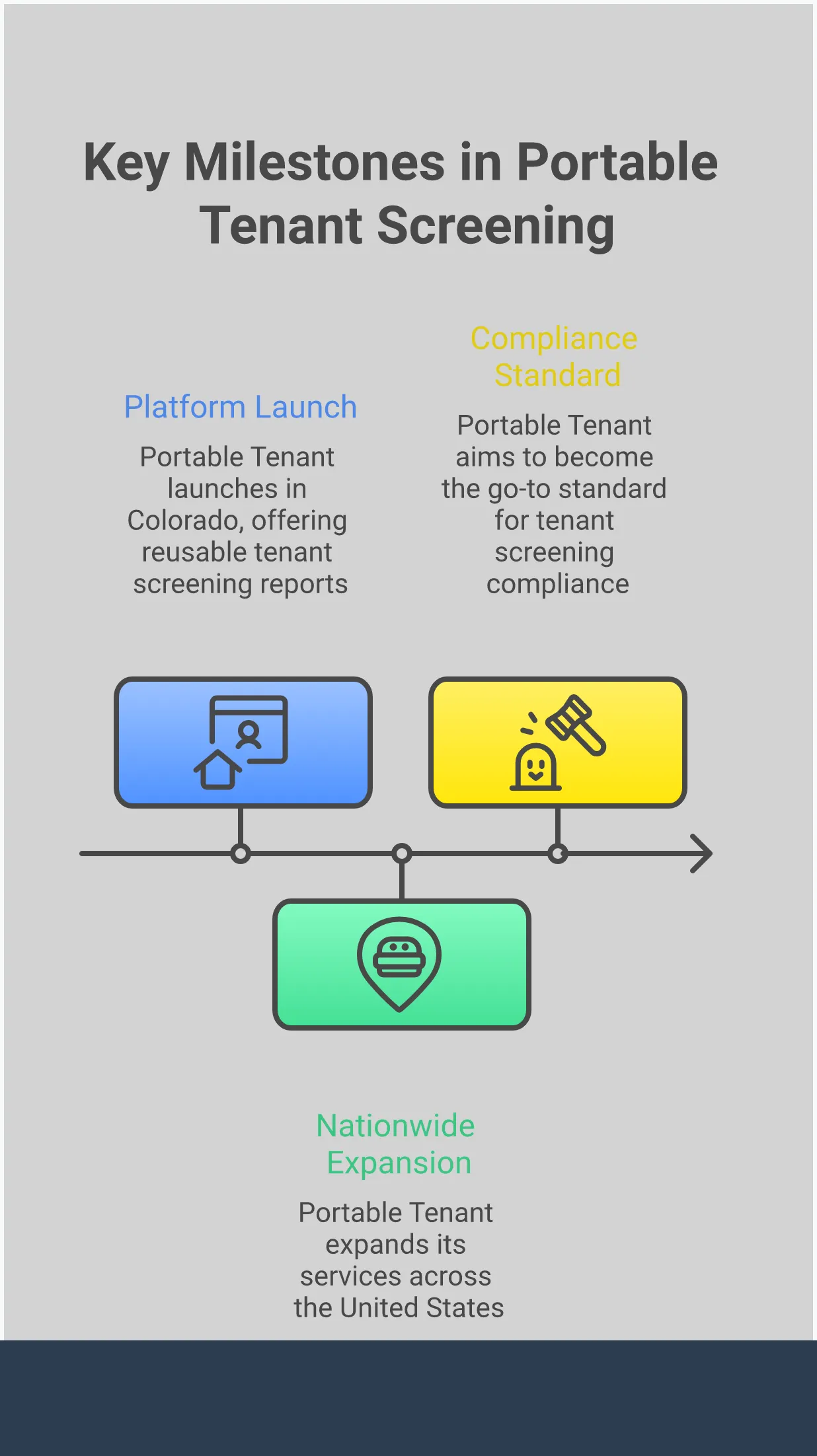
While federal laws provide a baseline, tenant screening is also regulated at the state and even city level. Each state has its own laws regarding tenant screening, including what information can be used and how it must be disclosed. Landlords should familiarize themselves with these laws to ensure compliance and avoid potential legal issues. For example, some states limit the amount you can charge for an application fee. Others, like Colorado and Washington, have passed laws allowing for portable tenant screening reports, which let renters reuse a single report for multiple applications. Staying current on your local regulations is essential for running a smooth and lawful rental business.
What should I do if an applicant has a low credit score but great income and references? This is a common situation, and it’s where your judgment as a landlord comes in. A credit score is just one piece of the puzzle, not the whole story. A low score could be due to past medical debt or a lack of credit history, which doesn't necessarily make someone a risky tenant. Consider the context of their financial picture. If they have a stable, verifiable income that comfortably covers the rent and glowing references from previous landlords, you might decide that those factors outweigh the credit score. The key is to have consistent criteria; perhaps you require a co-signer or a slightly larger security deposit for applicants below a certain credit threshold, as long as you apply that rule to everyone.
Is it legal to deny an applicant based on their criminal history? This is a sensitive area, and you need to be careful. While you can consider criminal history as part of your screening, blanket policies that deny anyone with any kind of record can lead to discrimination claims under the Fair Housing Act. The best practice is to consider the nature, severity, and timing of the conviction. A recent conviction for a violent crime is very different from a minor offense that happened a decade ago. Your policy should be written down and applied consistently to every applicant, focusing on offenses that could genuinely pose a risk to the property or other residents.
As a renter, what can I do if I think there's a mistake on my screening report? You absolutely have the right to dispute any information you believe is inaccurate. Under the Fair Credit Reporting Act (FCRA), you can contact the screening company and the credit bureau that supplied the information to file a dispute. They are legally required to investigate your claim and correct any errors. This is one reason why using a portable report that you control is so helpful; you can review it for accuracy before you even start applying, ensuring landlords see the correct information from the start.
Why can't I just Google an applicant or check their social media instead of paying for a service? While it might seem like a quick and free alternative, doing your own online search is a risky path. The information you find might be inaccurate, outdated, or belong to someone else with a similar name. More importantly, making a decision based on information you find on social media can easily lead to a Fair Housing violation, as you might learn about an applicant's protected class status. Using a professional, FCRA-compliant screening service ensures the data is accurate and that you're making a decision based on legitimate, permissible criteria, which protects both you and the applicant.
Do I really need to screen every adult who will be living in the unit? Yes, absolutely. Every person over 18 who will be living in the property should complete an application and go through the same screening process. They will be legally responsible for the lease, so you need to have a full picture of everyone's financial and rental history. If you only screen one applicant, you have no way of knowing if their roommate has a history of evictions or an inability to pay rent. Screening all adults ensures that everyone on the lease is qualified and protects you if one tenant moves out unexpectedly.