
The rental application process can feel slow and cumbersome for both you and your prospective tenants. In a competitive market, top applicants won't wait around for a clunky, outdated screening system. Modernizing your approach starts with a streamlined, efficient, and secure screening method. A digital tenant credit check in Florida allows you to get a complete picture of an applicant’s financial health in minutes, not days. This guide explores the best services and practices for creating a fast, fair, and hassle-free experience that helps you secure the best tenants quickly while respecting their time and privacy, setting the stage for a great landlord-tenant relationship from day one.
A tenant credit check is your window into an applicant's financial habits and reliability. Think of it as a financial background check that helps you decide if a potential renter is likely to pay their rent on time. In Florida, this is a standard step in the screening process, giving you a clear picture of their credit history, debt, and payment patterns. It’s about more than just a three-digit score; it’s about understanding their overall financial responsibility before you hand over the keys.
This check is part of a larger tenant screening report, which confirms that your applicant is who they say they are and has a history of being a responsible tenant. The goal is to find someone who will take care of your property and fulfill their lease obligations. A modern tenant screening process simplifies this for everyone involved, ensuring you get the information you need while respecting the applicant's privacy and rights. By running a credit check, you’re not just protecting your investment—you’re setting the foundation for a positive and stress-free landlord-tenant relationship from day one.
A comprehensive tenant screening report gives you a multi-faceted view of your applicant. It typically starts with a full credit report from a major bureau like Experian, detailing their credit score, payment history, and any outstanding debts. Beyond that, you’ll find crucial public records, including any past evictions or bankruptcies, which are significant red flags. The report also includes a nationwide criminal background check to ensure community safety. Many reports also offer income verification to confirm that the applicant can comfortably afford the rent. A service like Portable Tenant bundles all of this into one easy-to-read, secure report.
When you run a credit check in Florida, you must follow state and federal laws to ensure the process is fair and non-discriminatory. The most important rule is to get clear, written consent from every applicant before you run any background checks. You also need to apply your screening criteria consistently to all applicants to comply with the Fair Housing Act. This means if you check credit for one person, you must check it for everyone. Following these guidelines is essential for any landlord in Florida, as it protects you from legal trouble and ensures you’re treating every applicant equitably.
Let's be honest, being a landlord is a big responsibility. Your rental property is a significant investment, and finding the right tenant is the single most important step in protecting it. A thorough tenant screening process isn't just about checking boxes; it's about making an informed decision that can save you from future headaches, financial strain, and sleepless nights. By looking at an applicant's credit history, you get a clearer picture of their financial responsibility. This simple step helps you build a stable, positive relationship with your tenants from day one and ensures your business runs smoothly.
Think of a credit check as a crucial tool for safeguarding your property. Your main goal is to find a tenant who will pay rent on time and take good care of your home. A reliable screening report gives you insight into an applicant's financial habits and history of meeting their obligations. It helps you verify that they are who they say they are and can comfortably afford the rent. This isn't about being judgmental; it's about due diligence. Making sure you have a responsible tenant in place is the best way to protect your property investment and avoid the stress of late payments or property damage down the road.
An empty rental is an expensive rental. Every day your property sits vacant, you're losing money. A fast, reliable screening process allows you to confidently evaluate applicants and fill vacancies quickly. More importantly, finding the right tenant the first time around drastically reduces turnover. The costs associated with tenant turnover—including cleaning, repairs, and marketing—add up fast. A comprehensive background check helps you avoid the most expensive problem of all: a difficult eviction. By confirming an applicant's rental and financial history upfront, you can prevent a costly and stressful situation, keeping your rental income steady and predictable.
Finding the right tenant starts with finding the right screening service. With so many options out there, it can be tough to know which one fits your needs as a Florida landlord. You want a service that’s reliable, compliant, and gives you a clear picture of who you’re renting to. Let’s look at some of the best tenant credit check services available, so you can compare their features and find the perfect match for your rental business.
A Portable Tenant Screening Report, or PTSR, is a game-changer for both renters and landlords. Instead of paying for a new report with every application, a renter can purchase one comprehensive screening report and share it with multiple landlords. This approach streamlines the process significantly. For you, the landlord, it means you get a complete, pre-paid report that includes everything you need—credit history, background check, and more—without the administrative hassle. Services like Portable Tenant empower renters to control their data while giving you a reliable, standardized report, making your decision-making process faster and more efficient. It’s a modern approach that saves everyone time and money.
When you want a report backed by one of the major credit bureaus, TransUnion SmartMove is a popular choice. This online service is designed specifically for landlords who need a thorough screening solution. SmartMove provides comprehensive tenant screening that includes detailed credit reports, nationwide criminal history, and eviction records. The process is straightforward: you invite the applicant, and they authorize the check. This gives you the critical information needed to make an informed decision while ensuring the applicant’s sensitive data is handled securely. It’s a trusted option for landlords who want the confidence that comes with a big name in credit reporting and a deep dive into an applicant's history.
If you’re looking for a fast, user-friendly online platform, TenantBackgroundSearch is worth considering. This service is built to help landlords and property managers find dependable tenants without a complicated process. They focus on delivering reports that are not only accurate but also affordable and easy to understand. You can quickly check the backgrounds and credit of potential renters, getting the essential details you need to vet applicants effectively. Their platform is a solid choice for landlords who value speed and simplicity, allowing you to get the screening done and move forward with a lease agreement for a qualified tenant without unnecessary delays.
The American Apartment Owners Association (AAOA) offers screening services specifically tailored to the needs of landlords in the Sunshine State. Their Florida tenant screening goes beyond basic checks to provide a complete picture of a potential tenant's background. This is especially helpful for ensuring you comply with state-specific regulations while finding the best possible tenants for your properties. As a national organization with a focus on supporting landlords, AAOA provides resources and screening packages designed to protect your investment. If you’re looking for a service that understands the unique challenges and requirements of the Florida rental market, their offerings are definitely worth a look.
Choosing a tenant screening service can feel overwhelming with so many options available. The right choice often comes down to your specific needs, budget, and the level of detail you require to feel confident in your decision. To help you sort through the noise, let's compare the top services in Florida based on three key factors: what you pay versus what you get, the features included in their reports, and how quickly and accurately you can get the information you need.
A great screening service does more than just run a credit check; it gives you a clear, comprehensive view of an applicant so you can protect your investment and find a reliable tenant. By looking at these services side-by-side, you can find a partner that fits seamlessly into your rental process.
When it comes to cost, tenant screening services can start as low as $19.95, but the cheapest option isn't always the best value. Think about the cost of a single eviction or a month of unpaid rent—a thorough, slightly more expensive report that helps you avoid that is well worth the investment. Some services charge the landlord per report, while others have the applicant pay the fee directly. This applicant-pays model is becoming more popular because it streamlines the process for you.
Services that offer a portable report provide incredible value for both you and the renter. The applicant pays once for a comprehensive report they can share with multiple landlords, which can make your property more attractive in a competitive market.
Not all screening reports are created equal. A basic check might only scratch the surface, but a quality service provides a full picture of a potential tenant. Look for reports that go beyond the basics to include a full credit report from a major bureau like Experian, a nationwide criminal background check, and a search of eviction records. Some of the best services, like TransUnion SmartMove, help landlords find good tenants by providing these detailed background checks.
The goal is to get a complete file that includes everything you need to make an informed decision in one place. This often includes the rental application itself, income verification, and a full credit and background history, giving you a well-rounded view of every applicant.
In Florida's fast-moving rental market, you can’t afford to wait around for a background check to clear. A great applicant won't wait days for you to make a decision. Thankfully, most modern screening services are designed for efficiency, with reports often described as fast, easy, and accurate. You should expect to receive a complete report on the same day you request it, if not within minutes.
This speed comes from direct integrations with major credit bureaus and data providers, which ensures the information is not only fast but also accurate and up-to-date. A streamlined, digital process means you can move qualified applicants from application to lease signing quickly, reducing the risk of costly vacancies.
Choosing a tenant screening service isn't just about getting a credit score; it's about finding a reliable partner to help you make informed decisions while protecting your rental business. With so many options available, it’s easy to feel overwhelmed. The right service does more than just pull a report—it simplifies your workflow, ensures you stay on the right side of the law, and provides a clear, complete picture of each applicant.
When you’re comparing services, it helps to focus on a few key areas. First and foremost is legal compliance. You need a provider that understands federal and Florida-specific laws inside and out. Next, consider the quality of the report itself. A surface-level check won’t cut it; you need comprehensive data to truly assess risk. Data security is another critical piece of the puzzle, as you’re handling sensitive personal information. Finally, the service should be easy for both you and your applicants to use. A clunky, confusing process can cause top candidates to drop out and look elsewhere. Let’s break down what to look for in each of these areas.
This is the most important factor on the list, because getting it wrong can lead to serious legal trouble. Your screening process must comply with the federal Fair Credit Reporting Act (FCRA) as well as state laws. A good screening service builds compliance directly into its platform. It should require you to get an applicant's consent before running a report and provide tools to help you send an Adverse Action Notice if you deny an applicant based on the information you receive. Look for a service that clearly outlines its commitment to legal standards, so you can feel confident that your process is fair and transparent.
A credit score alone doesn't tell the whole story. To make the best decision, you need a complete view of an applicant's history. The best screening services provide all-in-one reports that include a full credit report from a major bureau like Experian, a nationwide criminal background check, and a search of eviction records. Some services also offer income verification to confirm an applicant’s financial stability. Having all this information in one place saves you time and gives you the confidence that you’re not missing any critical details before handing over the keys.
As a landlord, you are responsible for protecting the sensitive information your applicants share with you. A trustworthy screening service should use bank-level security to safeguard personal data like Social Security numbers and financial history. This protects you from liability and shows applicants that you respect their privacy. Modern platforms like Portable Tenant also give renters more control over their own data, allowing them to share their report securely and revoke access when it's no longer needed. This creates a more transparent and trust-based relationship from the very beginning.
A complicated application process is a major turn-off for prospective tenants. The service you choose should offer a simple, modern, and mobile-friendly experience for everyone involved. For applicants, the process of verifying their identity and sharing their report should be straightforward. For landlords, the dashboard should be intuitive, making it easy to request reports and review applications. And if you ever run into an issue, reliable customer support should be readily available. A smooth, efficient process helps you fill vacancies faster with high-quality tenants.
Working through the tenant screening process in Florida means more than just finding the right applicant; it means following a specific set of rules designed to protect both you and the renter. Staying on the right side of the law isn't just good practice—it's essential for protecting your rental business from potential lawsuits and fines. Think of these rules as your roadmap to a fair and legally sound screening process. From getting the right permissions to handling application fees correctly, each step is crucial. By understanding and implementing these guidelines, you can confidently screen applicants while maintaining compliance and fostering a transparent relationship with potential tenants from the very beginning.
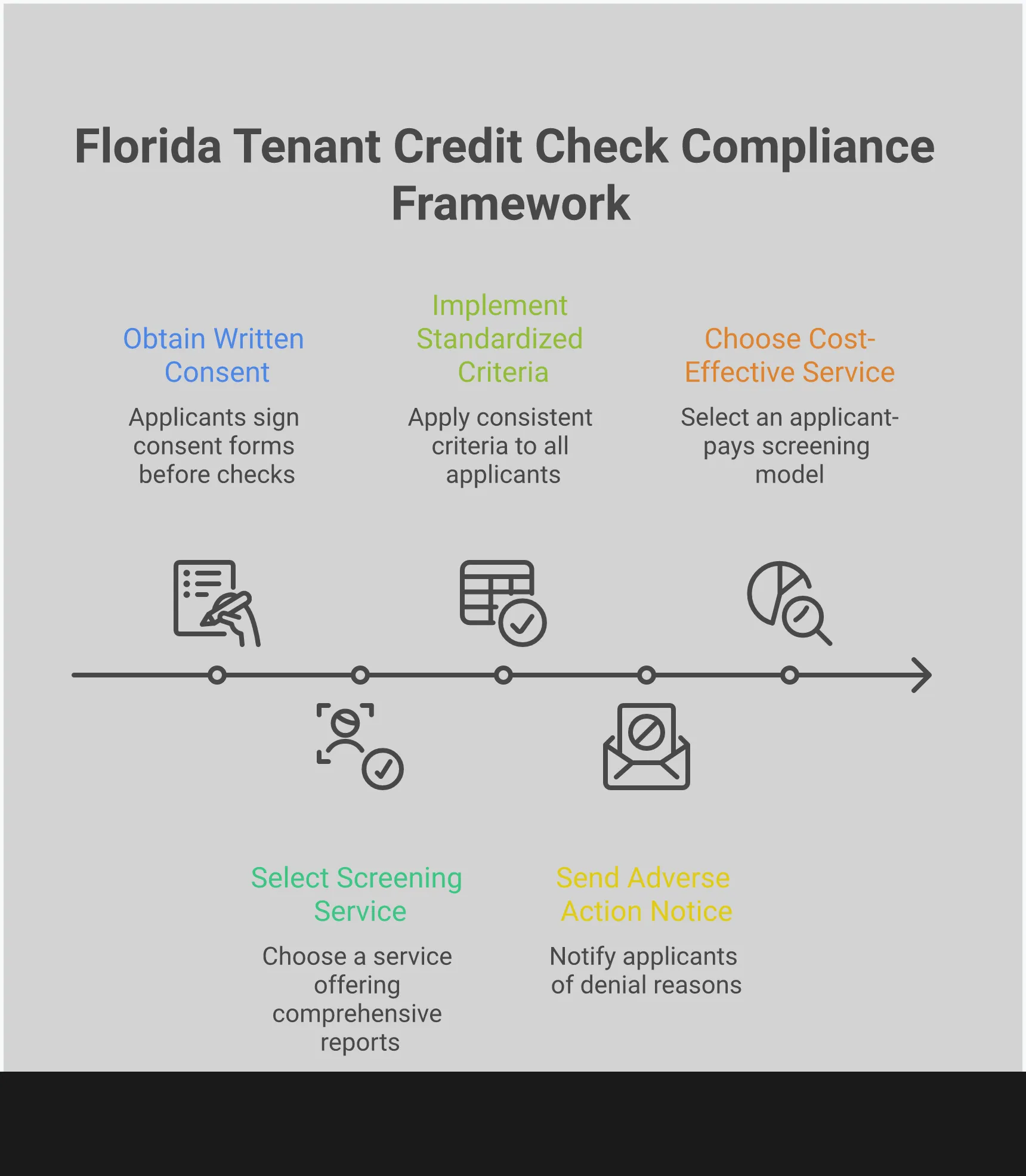
Before you pull any reports, your first step is always to get the applicant's permission. In Florida, you must secure written consent from an applicant before running credit and criminal history checks. This isn't just a suggestion; it's a legal requirement under the Fair Credit Reporting Act (FCRA). A simple verbal "okay" won't cut it. Your rental application should include a clear, standalone section where the applicant can sign to authorize these checks. This signed document is your proof of compliance and the green light you need to proceed with a background check.
If you decide to deny an applicant based on information you find in their screening report, you have a legal obligation to inform them properly. This is done by sending an "adverse action notice." This notice must tell the applicant why they were denied, provide them with a copy of the report you used, and explain their right to dispute any inaccurate information with the reporting agency. This applies whether you deny their application, require a co-signer, or ask for a larger deposit. It’s a critical step in maintaining a transparent and lawful screening process.
Consistency is key to fair housing compliance. The federal Fair Housing Act prohibits discrimination based on race, color, religion, sex, disability, familial status, or national origin. To comply, you must apply the same screening criteria to every single applicant, every single time. For example, if you require a certain credit score or income-to-rent ratio, that standard must be applied uniformly. Documenting your screening criteria and applying it consistently is your best defense against accusations of discrimination and ensures you’re treating every applicant fairly.
In Florida, you can charge an application fee to cover the actual costs of the screening process, such as the price of running a credit and background check. It’s important that this fee is reasonable and reflects your out-of-pocket expenses. You should also be upfront with applicants that the fee is generally non-refundable, even if their application is denied. Clearly stating your policy on application fees in your rental listing and on the application itself helps manage expectations and ensures transparency. This simple step can prevent misunderstandings and disputes down the line.
When you're getting ready to rent out your property, one of the first questions that comes to mind is about cost. Tenant screening is an essential step, but it doesn't have to break the bank. Think of it as a small investment to protect your much larger one—your rental property. The price for a tenant credit check in Florida can vary depending on how detailed you want the report to be, but there are plenty of options that fit any budget. The good news is that many modern services allow the applicant to pay for the report directly, which means you can get the insights you need at no cost to you.
In Florida, you can expect basic tenant screening services to start at around $20. The price generally goes up from there based on the depth of the information you need. For example, a service like TransUnion SmartMove offers tiered packages ranging from about $25 to $47. A basic package might just give you a credit-based resident score and a criminal background check. A more premium option will add a full credit report, eviction history, and even income insights. Choosing the right package depends on your comfort level and the specific requirements you have for your property.
If you're an independent landlord, every dollar counts. Luckily, you don't need a massive budget to screen tenants effectively. Many online platforms are designed specifically for landlords like you, offering comprehensive reports at a reasonable price. One of the most budget-friendly approaches is to use a service where the applicant pays for the screening fee. This model is becoming increasingly popular because it streamlines the process and removes the cost from your plate. With a portable tenant screening report, renters pay once for a report they can share with multiple landlords, saving everyone time and money.
When it comes to tenant screening, a lot of misinformation can float around. Believing these myths can lead to costly mistakes and legal headaches for landlords. Let's clear up a few of the most common misconceptions so you can screen applicants with confidence and stay on the right side of the law.
Many applicants worry that applying for multiple apartments will tank their credit score, and some landlords might hesitate to run a check for the same reason. The good news is that this is a complete myth. Tenant screening checks are considered 'soft inquiries,' which are different from the 'hard inquiries' used for loan or credit card applications. A soft credit pull does not affect an applicant's credit score at all. You can confidently run these checks knowing you aren't negatively impacting your potential tenant's financial standing. It’s a win-win: you get the information you need, and they keep their credit score intact.
It’s easy to assume that one screening report is just like any other, but that couldn't be further from the truth. A basic report might only give you a credit score, leaving out critical details you need to make an informed decision. A truly comprehensive screening report will include a person’s full financial and rental history, pulling from multiple sources to give you a complete picture. This includes not just the credit report but also nationwide criminal and eviction records. Relying on an incomplete report is like trying to solve a puzzle with half the pieces missing—you simply won't see the whole story.
You might have a great conversation with a prospective tenant who verbally agrees to a background check. While that’s a good start, it’s not enough to protect you legally. In Florida, and under federal law, you are required to get clear, written consent from an applicant before you run any kind of background or credit check. Relying on a verbal agreement opens you up to serious legal risks. Always make written consent a non-negotiable part of your application process. This simple step ensures you are fully compliant with the Fair Credit Reporting Act (FCRA) and protects your business from potential disputes down the road.
Running a tenant credit check is one of the smartest moves you can make to protect your rental property. But this powerful tool comes with serious responsibilities. A simple misstep in your screening process can lead to legal headaches and costly fines, even if your intentions were good. Think of it like this: you have the key to sensitive personal information, and both federal and state laws have strict rules about how you can use it.
Navigating these rules doesn't have to be complicated. The key is to be consistent, transparent, and always act in good faith. By understanding a few common pitfalls, you can build a screening process that’s both effective and fully compliant. Let’s walk through the three biggest mistakes landlords make when handling credit checks and how you can easily avoid them. This will not only keep you on the right side of the law but also help you build a better relationship with potential tenants from the very beginning.
Before you even think about looking into an applicant's credit history, you need their explicit permission. In Florida, a verbal "okay" isn't enough—the law requires you to get clear, written consent from the applicant to run both credit and criminal background checks. This is a non-negotiable first step that protects both you and the renter.
This requirement is rooted in the Fair Credit Reporting Act (FCRA), a federal law designed to promote accuracy and ensure the privacy of consumer information. Getting a signature shows you’re respecting the applicant's privacy and following legal protocol. Modern screening solutions, like the Portable Tenant Screening Report, build this consent directly into the process, as the renter initiates the report and securely shares it with you.
One of the fastest ways to land in legal trouble is by treating applicants differently. You must apply the same screening standards to every single person who applies for your property. For example, you can't require a credit score of 650 for one applicant and 700 for another. This practice can be seen as discriminatory, even if you didn't mean for it to be.
To stay compliant with the Fair Housing Act, it’s best to decide on your rental criteria before you list your property. Write down your minimum requirements for credit score, income, and rental history, and apply them uniformly. This ensures your process is fair and transparent, protecting you from potential discrimination claims.
What happens if you have to deny an applicant based on something in their screening report? You are legally required to notify them in writing. This is called an "adverse action notice." An adverse action isn't just a rejection—it can also include requiring a co-signer or charging a higher security deposit based on their report.
Your notice must explain why you made the decision. According to the FCRA, it also needs to include the name and contact information of the screening company you used and a statement informing the applicant of their right to dispute the report's accuracy. This gives the applicant a chance to correct any potential errors on their record. Failing to send this notice is a serious compliance violation.
Setting up a solid, repeatable screening process is one of the smartest things you can do as a landlord. It takes the guesswork out of choosing tenants and, more importantly, keeps you compliant with fair housing laws. A consistent process protects your investment and your reputation by ensuring every applicant is evaluated using the same objective standards. Think of it as your playbook for finding great renters while staying on the right side of the law. It’s all about being fair, consistent, and thorough from the very beginning.
Before you even list your property, decide on your minimum qualifications and write them down. This could include a minimum credit score, a certain income-to-rent ratio (like three times the monthly rent), and a clean rental history. The key is to apply these exact same criteria to every single applicant, no exceptions. This consistency is your best defense against accusations of discrimination. Instead of just taking an applicant's word, use a reliable screening service to verify their information with a nationwide background check. This ensures you get a complete picture and can make a decision based on facts, not feelings.
This is where the legal details really matter. Your application process must be built around fairness and transparency. First and foremost, you absolutely must get clear, written consent from every applicant before you run a credit or background check. This isn't optional—it's the law. Your process should also be designed to comply with the Fair Housing Act, which prohibits discrimination. Using a service that provides a compliant, all-in-one application and screening report helps streamline this. It ensures you collect all the necessary information and permissions upfront, making the process smoother and safer for both you and your potential tenants.
Documentation is your best friend in the rental business. For every vacancy, you should keep a file on each person who applied, not just the tenant you selected. If you deny an applicant, be sure to document the specific, business-related reason why, making sure it ties directly back to your pre-set screening criteria. For example, "Application denied due to credit score below the minimum requirement of 650." This simple step is crucial protection if a rejected applicant ever raises a legal challenge. Keeping organized digital records makes this process much easier and ensures you can quickly find what you need, when you need it.
What's the biggest legal mistake I can make when screening a tenant in Florida? The most critical misstep is failing to get clear, written consent from an applicant before you run any kind of background or credit check. A verbal agreement doesn't count. The second major error is not sending a formal adverse action notice if you deny an applicant based on their report. Both of these actions are required by federal law and are designed to keep the screening process fair and transparent.
Do I have to pay for every applicant's screening report? Not at all. Many modern screening services now use an applicant-pays model, which is a huge relief for landlords. With this setup, the prospective tenant pays a one-time fee for their report. This approach saves you money and streamlines your process, as you receive a complete, paid-for report directly from a qualified applicant.
Is a high credit score all I really need to look for? A good credit score is a positive sign, but it doesn't tell the whole story. A truly reliable applicant is best identified through a comprehensive report that also includes their eviction history, a nationwide criminal background check, and income verification. These additional details give you a much clearer picture of their history as a renter and their ability to pay on time, helping you make a more informed decision.
How can I screen tenants without being accused of discrimination? The key is consistency. Before you even list your property, you should decide on your minimum rental criteria—such as income level and credit score—and write them down. Then, you must apply these exact same standards to every single person who applies, without exception. This creates an objective, fair process and is your best protection against potential fair housing complaints.
What is a "portable" screening report and why should I accept one? A portable report is a reusable screening report that a renter purchases once and can then share securely with multiple landlords. Accepting one is a smart move because it means you receive a comprehensive, pre-paid report at no cost to you. It also makes your property more attractive to top applicants, as it saves them the time and expense of paying for a new report for every application they submit.