
For landlords and property managers, the flow of questions from tenants can feel endless. One person has a leaky faucet, another has a question about the pet policy, and a third wants to know about renewing their lease. How you handle each tenant inquiry sets the tone for your professional relationship and can directly impact tenant satisfaction and retention. A prompt, clear response builds trust, while a slow or vague one creates friction. This article offers a practical framework for managing tenant communications efficiently. We’ll cover how to prioritize requests, communicate clearly, and use simple systems to stay organized and professional.
A tenant inquiry is simply any question you ask your landlord or property manager about your rental. It’s not just for reporting a leaky faucet or a broken appliance. You might have questions about your lease terms, need to clarify a building policy, or want to know the details of an upcoming inspection. Think of it as any communication you initiate to get information or help regarding your home. These inquiries are a normal and essential part of the landlord-tenant relationship, helping to keep things clear and running smoothly for everyone involved.
Clear and consistent communication is the foundation of a positive rental experience. When you feel comfortable asking questions and your landlord responds promptly and professionally, it builds a relationship based on trust. This open dialogue helps prevent small misunderstandings from turning into major disputes. For landlords, good communication is just good business—it leads to happier tenants who are more likely to take care of the property and renew their lease. For you, the tenant, it means living in a well-maintained home where you feel heard and respected. It’s a win-win that makes the entire rental process smoother and more professional.
It’s easy to get confused about your rights as a tenant, and there are a lot of myths out there. One of the most common misconceptions is that a landlord can enter your apartment whenever they want. In reality, landlords must provide reasonable notice—typically 24 hours in writing—before entering, except in an emergency. Unfortunately, studies show that many landlords and renters don't fully know the law, which can lead to unnecessary friction. Taking the time to understand your basic tenant rights protects you and ensures you are treated fairly, giving you the confidence to address issues correctly when they arise.
Whether you’re a first-time renter or a seasoned landlord, clear communication is the foundation of a great rental experience. For tenants, asking the right questions upfront can save you from headaches down the road. For landlords, being prepared for these inquiries shows you’re professional and transparent. Think of this initial conversation as the first step in building a positive landlord-tenant relationship. It’s your chance to make sure everyone is on the same page about expectations, responsibilities, and the day-to-day realities of living in the property.
Most tenant questions fall into a few key categories: the lease agreement, maintenance procedures, rent payments, and property rules. Getting clarity on these topics helps you understand exactly what you’re signing up for. It ensures the property is a good fit for your lifestyle and that you understand your landlord’s processes. A landlord who can answer these questions clearly and confidently is often a sign of a well-managed property. This open dialogue is crucial for building trust and preventing misunderstandings long before you even start the application process.
The lease is your roadmap for your entire tenancy, so it’s smart to understand every turn. Before you sign, don’t hesitate to ask about the basics. Key questions include the preferred lease term (is it a 12-month lease, or is month-to-month an option?) and the specific move-in date. You should also clarify how many people are permitted to live in the unit and what the policies are for adding a roommate later. Asking these questions ensures the landlord’s expectations align with your plans. It’s all about making sure the legal agreement you’re entering into truly works for your life, preventing any surprises after you’ve already moved in.
Knowing how maintenance issues are handled is essential for your comfort and safety. Be sure to ask, "How do I submit a maintenance request?" Some landlords use an online portal, while others prefer email or a phone call. It’s also wise to ask about the expected timeline for repairs, distinguishing between emergencies like a burst pipe and non-urgent issues like a leaky faucet. Understanding this process from the start gives you peace of mind that your home will be well-cared-for and that your landlord is responsive. A clear maintenance and repair policy is a sign of a responsible property manager.
Talking about money can feel awkward, but it’s one of the most important conversations you’ll have with a potential landlord. Make sure you’re crystal clear on the financial details to avoid any confusion. Ask when rent is due each month and what payment methods are accepted—can you pay online, or do you need to mail a check? You should also inquire about grace periods and what the late fees are if you miss the due date. Getting straightforward answers to these questions helps you budget effectively and maintain a positive payment history. It also helps establish a transparent financial relationship with your landlord from day one.
Every property has its own set of community guidelines, and you’ll want to know them before you commit. These rules are in place to ensure the property is a pleasant place for everyone to live. Ask about the policies on noise, especially regarding quiet hours. If you enjoy having friends over, you should clarify the rules around guests and how long they can stay. And if you have a furry friend or are thinking of getting one, the pet policy is a must-ask. Understanding these community rules helps you decide if the property’s lifestyle and culture are the right fit for you.
Asking your landlord questions can feel intimidating, but you have fundamental rights as a tenant protected by law. These aren’t just suggestions; they are legal standards ensuring you are treated fairly and your home remains a safe, private space. Understanding these rights is the first step toward advocating for yourself effectively. When you know what you’re entitled to, you can communicate with confidence and resolve issues more smoothly. The U.S. Department of Housing and Urban Development provides a great overview of tenant rights that vary by state, giving you a solid foundation.
You have the right to voice concerns or request repairs without fear of punishment. Landlord retaliation is illegal, meaning your landlord cannot evict you, raise your rent, or reduce services because you made a legitimate complaint. A common misconception is that a landlord can simply not renew a lease to renovate and charge more, but laws protect tenants from such actions. Your housing shouldn't be threatened for exercising your rights. If you suspect unfair treatment after an inquiry, it's important to document everything and know your local protections.
Transparency is key, and you have a right to be informed about your home. This is especially true when your landlord needs to enter your unit. Except in true emergencies, like a fire or major flood, your landlord must provide reasonable written notice before entering—typically at least 24 hours. This notice should state the reason for the visit, whether it’s for an inspection, a repair, or to show the unit. This rule respects your time and ensures you aren’t caught by surprise by an unannounced visit.
Your rental unit is your home, and you have a right to privacy and peace, often legally called the "covenant of quiet enjoyment." It’s a myth that landlords have unlimited access to their properties. While they can enter for legitimate reasons with proper notice, they cannot show up unannounced or enter excessively. This right ensures you can live without unreasonable disturbances. Understanding your right to privacy helps you set clear boundaries and ensures your home remains your personal sanctuary.
Responding to tenant inquiries is more than just answering questions—it's a core part of managing your property and maintaining a positive relationship with your renters. How you handle these interactions sets the tone for the entire tenancy. A prompt, clear, and respectful response can build trust, encourage tenants to be more cooperative, and ultimately make your life easier. On the other hand, slow or dismissive replies can lead to frustration, disputes, and even legal complications down the road.
Effective communication is a skill that pays dividends. It can reduce tenant turnover, prevent small maintenance issues from becoming costly repairs, and make your job as a landlord much smoother. By establishing a solid process for handling inquiries, you show your tenants that you are a professional who values their comfort and safety. This involves more than just being available; it requires a strategy. The key pillars of this strategy are communicating with clarity and promptness, keeping meticulous records of all interactions, and understanding how to prioritize different types of requests. Mastering these elements will help you build a reputation as a fair and reliable landlord, which is invaluable in today's competitive rental market.
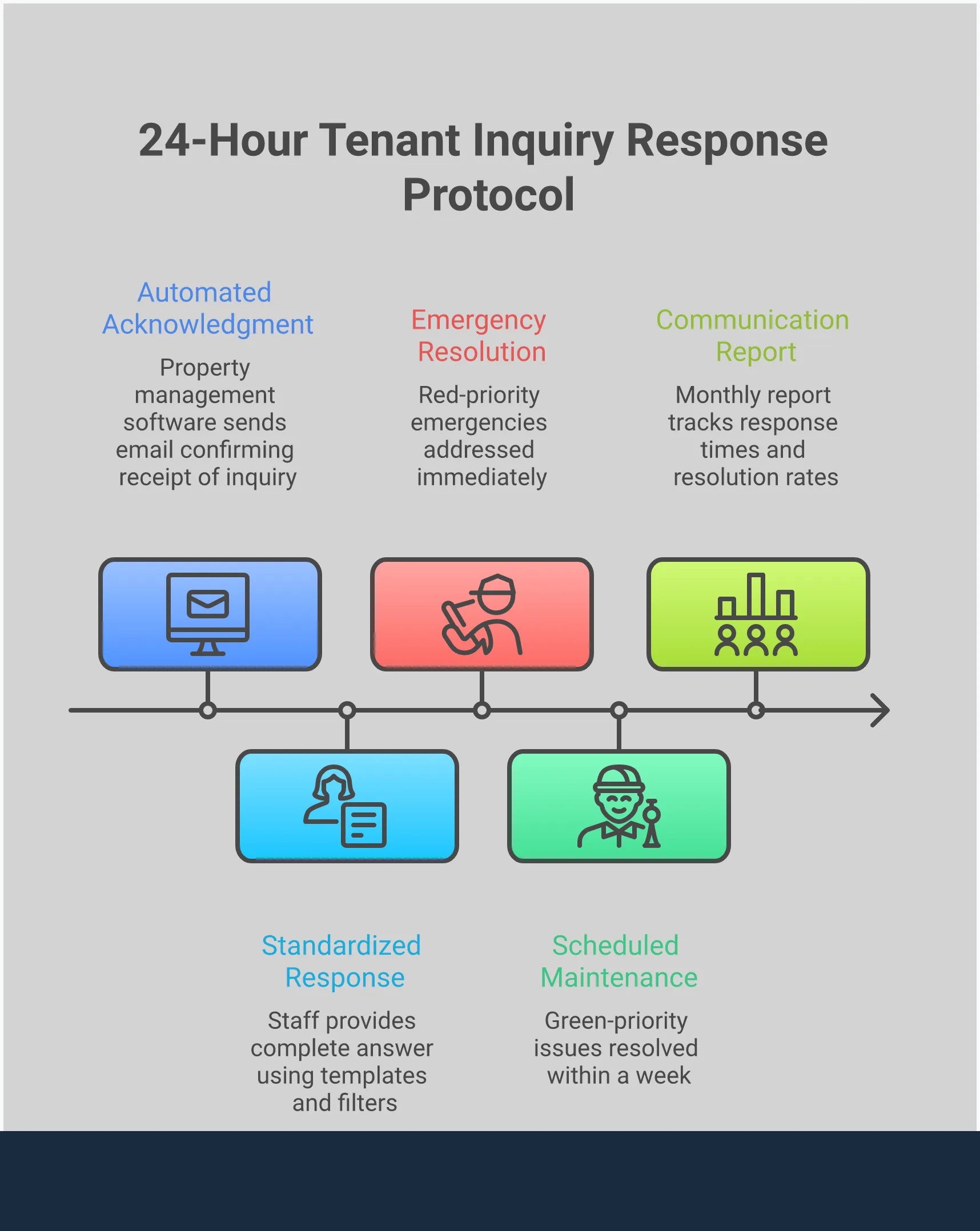
When a tenant reaches out, aim to respond within 24 hours. This simple practice shows you take their concerns seriously. It’s also helpful to set clear expectations from the start. Let your tenants know your preferred communication method—whether it's email, text, or a tenant portal—and your typical response time. Always use professional and respectful language, avoiding slang or overly casual conversation. Your goal is to provide complete and accurate answers. Vague replies can cause confusion and more back-and-forth, so take the time to address their question fully. This level of clear communication builds a foundation of trust and professionalism.
Documentation is your best friend in property management. Make it a habit to save copies of every conversation you have with your tenants, including emails, text messages, and notes from phone calls. This written record can be incredibly valuable if a misunderstanding or dispute arises later. It provides a clear timeline of events and shows that you've acted in good faith. To streamline the process, consider using standardized forms for common requests, like maintenance issues. This ensures you gather all the necessary information every time and maintains consistency. Keeping organized digital records protects both you and your tenant by creating a transparent and accountable history of your tenancy agreement.
Not all tenant inquiries carry the same weight. It’s crucial to distinguish between a genuine emergency and a routine request. Issues like a major water leak, a broken furnace in winter, or a security problem demand your immediate attention. For these situations, you need to act right away. Non-emergency requests, like a dripping faucet or a burnt-out lightbulb in a common area, should still be addressed promptly, but they can be scheduled. After you’ve resolved any issue, big or small, a quick follow-up message to confirm the tenant is satisfied can go a long way. This simple step shows excellent customer service and reinforces that you care about their living experience, which is key to tenant retention.
Even with the best intentions, the inquiry process can sometimes hit a snag. When you’re trying to get answers about your home, running into roadblocks is frustrating and can create unnecessary tension. Understanding these common issues ahead of time can help you prepare for a smoother conversation and find a resolution faster. Most problems boil down to a few key areas: how we talk to each other, whether we trust each other, and what we know about our rights and responsibilities. By tackling these potential hurdles head-on, both tenants and landlords can work toward a more positive and productive relationship.
Clear and timely communication is the bedrock of any good landlord-tenant relationship. When emails go unanswered or calls aren't returned, it’s easy for small issues to become big problems. Delays can leave you feeling ignored and uncertain, especially if you’re dealing with an urgent repair or have a question about your lease. Sometimes, the issue isn't a lack of response but a vague one that doesn't actually answer your question. Establishing a clear method and expected timeline for communication from the start can prevent a lot of this frustration. Good landlord-tenant communication builds trust and ensures everyone stays on the same page.
A lack of trust can create a difficult dynamic where both parties feel like they’re on opposite sides. Tenants might worry that asking too many questions will label them as "difficult," leading to hesitation when a real issue comes up. On the other hand, some landlords might be wary of tenants they perceive as overly demanding. These feelings often stem from common misconceptions, like the idea that landlords have unlimited access to a property or that tenants are always looking for a dispute. Building a relationship based on mutual respect and transparency helps break down these barriers, making it easier to ask questions and resolve issues collaboratively.
It’s surprising how often tenants—and even landlords—are unfamiliar with the specific laws governing their rental agreement. This knowledge gap can be a major roadblock. For example, you might not know that in many places, a landlord must provide at least 24 hours' written notice before entering your home, except in an emergency. Without this information, you might not feel empowered to speak up. Knowing your rights isn’t about being confrontational; it’s about ensuring you are treated fairly and that your tenancy is handled legally. It protects you and helps you understand what to expect from your landlord, creating a more predictable and secure living situation.
A little preparation goes a long way in getting your questions answered quickly and effectively. Before you pick up the phone or draft an email to your landlord, taking a few key steps can make the entire process smoother for both of you. Being organized and clear not only helps your landlord understand the issue but also shows that you’re a responsible and proactive tenant. Think of it as building a strong case for your inquiry—whether it’s about a leaky faucet or a question about your lease renewal. This groundwork ensures you have all the necessary information at your fingertips, which helps prevent back-and-forth confusion and gets you closer to a resolution.
Before reaching out, pull together everything related to your question. This is your evidence file. If you’re dealing with a maintenance issue, take clear photos or a short video. Have your lease agreement handy, especially the relevant sections. It’s also smart to gather any previous written communication you’ve had with your landlord about the topic, like old emails or text messages. Keeping all your records in one place helps you present a clear, complete picture of the situation. This level of organization shows your landlord you’re serious and makes it easier for them to address your inquiry without delay.
Vague questions lead to vague answers. Instead of saying, “The heat isn’t working,” try something more specific: “The radiator in the living room isn’t getting warm, even though the thermostat is set to 72 degrees. The other radiators in the apartment seem to be working fine.” Providing details helps your landlord diagnose the problem faster. It’s also helpful to ask detailed questions that require more than a simple “yes” or “no” answer. For example, instead of asking, “Can you fix it?” ask, “What are the next steps for getting the radiator repaired, and when can I expect a technician to visit?”
Your lease is the most important document in your rental life. Before you contact your landlord, read it over. Often, the answer to your question is right there in the fine print. Are you wondering about the policy on hanging pictures or whether you can get a pet? Check the lease first. Understanding what your agreement says about maintenance, guests, or alterations empowers you to ask more informed questions. Knowing your contractual rights and responsibilities is the first step in advocating for yourself and helps you avoid any common misconceptions about tenant rights.
How you contact your landlord matters. Your lease might specify the best way to submit maintenance requests or ask questions—like through an online portal or via email. Using the preferred channel ensures your message gets to the right person and is properly documented. If your lease doesn’t specify, ask your landlord what they prefer for non-urgent matters. Establishing clear communication channels is the foundation of a good landlord-tenant relationship. Respecting their process can lead to quicker, more positive responses and builds a sense of mutual respect and cooperation.
A smooth inquiry process isn't just about getting answers—it's about building a positive and respectful relationship between tenants and landlords from day one. When communication is clear and efficient, everyone saves time and avoids unnecessary stress. Whether you're a renter asking about a repair or a landlord responding to a question, a few simple strategies can make all the difference. By setting clear expectations and using the right tools, you can create a rental experience that feels professional, organized, and fair for everyone involved. These tips will help you handle inquiries with confidence and ease.
The foundation of any good relationship is clear communication, and the landlord-tenant dynamic is no exception. For landlords, it’s wise to set expectations right from the start. Let your tenants know your preferred method of contact—whether it's email, a tenant portal, or text messages for emergencies only. It’s also helpful to share your typical response times and business hours so they know when to expect a reply. For tenants, understanding and respecting these guidelines can lead to quicker resolutions. If your landlord hasn't specified their preferences, don't hesitate to ask. This simple step shows you're proactive and helps establish a professional rapport from the beginning.
Why get bogged down in messy text threads and lost emails when technology can do the heavy lifting? Using tools like property management software, email templates, or even simple auto-replies can streamline the entire inquiry process. For landlords, this means you can instantly confirm receipt of a message and keep all communication neatly organized in one place. For tenants, it provides peace of mind that your inquiry has been received and is in the queue. This tech-forward approach starts from the very beginning of the rental journey. Using a Portable Tenant Screening Report, for example, digitizes and simplifies the application process, setting a precedent for clear, efficient communication moving forward.
Ultimately, a smooth inquiry process comes down to trust. Clear, consistent communication is the best way to build it. When landlords are transparent about their processes and tenants feel heard and respected, it creates a much more positive living environment. This means responding to inquiries promptly, keeping records of important conversations, and being upfront about timelines for repairs or other requests. A transparent process shows that you value professionalism and fairness. For landlords, this approach can lead to longer, more stable tenancies. For tenants, it provides the security of knowing you’re in a well-managed property where your concerns are taken seriously.
What should I do if my landlord isn't responding to my inquiry? First, double-check your lease to see if it specifies a required method for communication, like an online portal or a specific email address. If you've used the correct channel and a reasonable amount of time has passed, send a polite, written follow-up. This creates a paper trail for your records. In your message, reference your original request and ask for an estimated timeline for a response or resolution. Keeping your tone professional and focused on the issue is the most effective approach.
I'm worried about being labeled a 'difficult' tenant if I ask for repairs. How can I approach this? It's completely normal to feel this way, but remember that requesting necessary maintenance is a standard part of renting. Frame your inquiry professionally by focusing on the facts of the issue rather than just complaints. Explain the problem clearly and how it impacts your home. A responsible landlord actually wants to know about issues before they become bigger, more expensive problems. Approaching it as a collaborative effort to maintain the property helps build a positive relationship.
What's the real difference between an emergency and a non-emergency repair? An emergency is any issue that poses an immediate threat to your health, safety, or the property itself. Think of things like a major water leak, a broken furnace in freezing temperatures, or a security issue like a broken lock on your main door. A non-emergency is an issue that is inconvenient but not immediately dangerous, such as a dripping faucet, a running toilet, or a cracked tile. These should still be reported promptly, but they don't require an after-hours response.
Is it better to call, text, or email my landlord with a question? Your lease agreement is the best place to find this answer, as it often outlines the official channel for communication. If your lease doesn't specify, email is generally the best choice for non-urgent matters. It creates a clear, time-stamped record that both you and your landlord can refer back to. It's best to reserve phone calls or text messages for true emergencies, unless your landlord has told you otherwise.
As a landlord, what's the best way to handle a tenant inquiry I don't have an immediate answer for? The most important step is to respond quickly, even if it's just to acknowledge that you've received their message. A simple reply letting your tenant know you are looking into their question and will get back to them by a specific time can make a huge difference. This transparency shows that you take their inquiry seriously and helps manage their expectations, which is essential for building trust and maintaining a positive relationship.