
The way we screen tenants is changing, especially in states like Colorado, Washington, and Illinois. New laws are creating a more transparent and efficient rental market, introducing concepts like portable screening reports that benefit both renters and landlords. For you, staying current with these updates is not just about compliance; it's about running a smarter, more competitive business. Embracing these modern tenant screening laws for landlords can actually streamline your workflow, reduce administrative tasks, and help you fill vacancies faster. This guide will explain these important legal shifts, show you how they work in your favor, and provide actionable steps to ensure your screening process is fully compliant and ready for the future of renting.
Think of tenant screening laws as the official rulebook for how you, as a landlord, can evaluate potential renters. These state and federal regulations set clear boundaries on the entire process, from the questions you can ask on an application to the information you can use to make your final decision. They exist to make the rental process fair and transparent for everyone involved, ensuring every applicant gets an equal opportunity.
So, why do these laws matter so much? For starters, they protect your business. Following the rules helps you avoid costly legal battles and fines that can come from unintentional discrimination or improper use of a tenant's personal information. But it's about more than just staying out of trouble. When you have a clear, consistent, and fair screening process, you build trust with applicants from day one. This transparency sets the foundation for a positive landlord-tenant relationship long before a lease is ever signed.
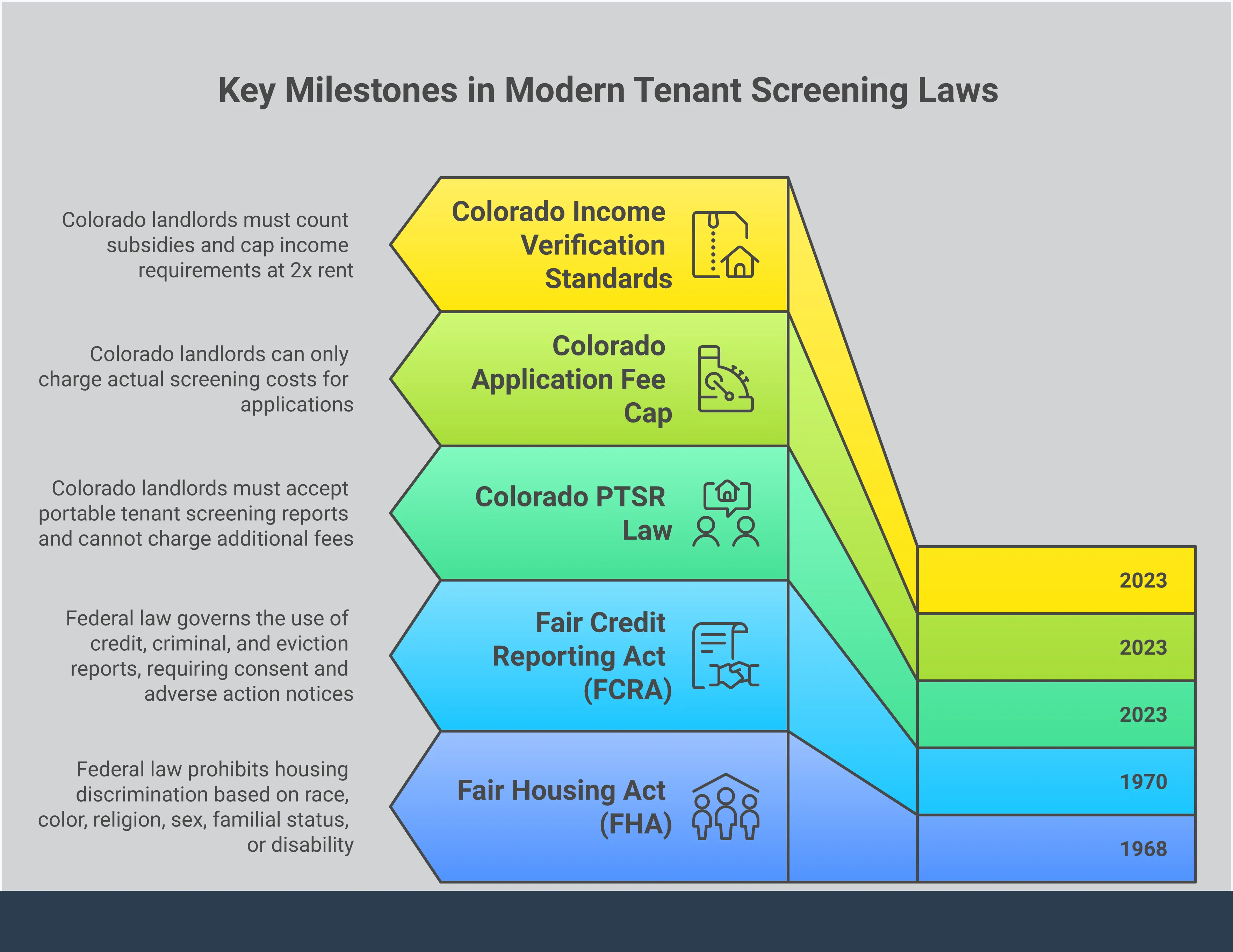
At the federal level, two major laws lay the groundwork: the Fair Housing Act, which prohibits discrimination, and the Fair Credit Reporting Act (FCRA), which governs how you use credit and background reports. Many states have their own specific laws that add another layer of requirements, like rules around application fees and how you handle criminal history. Understanding these laws isn't just a legal formality; it's a core part of being a responsible and successful landlord.
Before we get into state-specific rules, it’s important to cover the two major federal laws that set the stage for tenant screening everywhere in the U.S. Think of these as the foundation for all other regulations. Getting these right is your first step toward a fair and legally sound screening process. These laws are in place to protect both you and your potential tenants by setting clear expectations for how personal information is used and ensuring everyone gets a fair shot at finding a home. Understanding them helps you build a process that is not only compliant but also builds trust from the very start.
The Fair Housing Act, or FHA, is the cornerstone of anti-discrimination in housing. At its core, this law is about fairness. It prohibits discrimination in housing based on what are called "protected classes." This means you cannot make a housing decision based on a person's race, color, national origin, religion, sex (which includes gender identity and sexual orientation), familial status (like having children), or disability. For you as a landlord, this means applying your rental criteria equally to every single applicant. You can't set different standards or offer different terms to different people based on any of these characteristics. It’s all about creating a level playing field for everyone.
The Fair Credit Reporting Act, or FCRA, comes into play the moment you decide to look into an applicant's background. This law regulates how landlords can use consumer reports, which includes everything from credit reports to criminal and eviction records. The FCRA puts responsibilities on you to ensure the information you use is accurate and handled properly. You must get an applicant's written permission before you run a background check. If you decide to deny an application based on something in their report, you have to provide them with an "adverse action notice." This notice explains why and gives them a chance to dispute any incorrect information.
If you're a landlord in Colorado, staying current with the state's specific tenant screening laws is essential. These rules are some of the most forward-thinking in the country, designed to create a fairer and more transparent rental market for everyone involved. While it might seem like another set of regulations to follow, understanding them is your key to running a smooth, successful, and legally sound rental business. Think of these laws not as hurdles, but as a clear roadmap to a compliant and efficient screening process.
Embracing these regulations helps you avoid potential legal trouble and fines. More importantly, it positions you as a fair and trustworthy landlord. This reputation can be a huge advantage in a competitive market, helping you attract high-quality, long-term tenants who appreciate a transparent process. From accepting portable reports to handling application fees and communicating your decisions, Colorado law sets clear expectations. By building these practices into your workflow, you can operate with confidence, streamline your operations, and build a stronger foundation for your rental business. Let's walk through the key requirements you need to know.
One of the biggest changes for Colorado landlords is the requirement to accept a Portable Tenant Screening Report (PTSR). If a prospective tenant provides you with a valid report, you must accept it, and you cannot charge that applicant an additional fee for a new background check. Under the latest laws, these reports are now valid for 60 days, giving renters more time to use a single report for multiple applications. This change can actually work in your favor by simplifying your workflow and making your property more attractive to applicants. A compliant PTSR from Portable Tenant includes everything you need, from credit history to eviction records, making the process seamless for you and the applicant.
Colorado law is very clear about application fees: you can only charge an applicant for the actual cost of the screening. While there isn't a specific dollar cap, your fee must directly reflect what you paid for the background, credit, or eviction checks. You can't add extra charges to make a profit. If the fee you collected is more than your actual screening costs, you are required to refund the difference to the applicant within 20 days. The easiest way to handle this is to use a service where the renter pays for their report directly. This removes you from the transaction, ensuring you never overcharge and automatically keeping you compliant with this rule.
When it comes to criminal history, Colorado has strict limitations to ensure a fair evaluation. First, you can only run a criminal background check after you have made a conditional offer of tenancy to the applicant. You also need their written permission to do so. Most importantly, your decision cannot be based on certain records, including arrests that didn't lead to a conviction or any records that have been sealed or expunged. A compliant screening service will automatically filter out this information for you. This process gives applicants a fair chance while still allowing you to perform your due diligence once you've determined they are otherwise qualified for your property.
In Colorado, you cannot discriminate against applicants based on their source of income. This means you must consider housing subsidies, such as a Section 8 voucher or other rental assistance, as part of an applicant's total income. You cannot deny an applicant who uses a subsidy based on their credit score alone; you must also look at their rental history and other factors. A good practice is to adjust your income requirements. For example, instead of requiring an income of three times the total rent, you can require the applicant's personal income to be three times their portion of the rent. This ensures you are following fair housing guidelines and evaluating all applicants equitably.
If you decide to deny a rental application for any reason based on their screening report, you are legally required to provide them with an adverse action notice. This written notice must be sent within 20 days of the decision. It needs to clearly state the reason for the denial, include a copy of the report you used to make your decision, and inform the applicant of their right to dispute any inaccurate information in the report. This step is not optional; it’s a critical requirement under both state law and the federal Fair Credit Reporting Act (FCRA). Being diligent with these notices protects you legally and treats applicants with respect.
Transparency is key to a fair screening process. Colorado law requires landlords to have a written policy that details their screening criteria and to share it with every applicant. This document should clearly outline your standards for income, credit history, rental history, and any criminal background checks. Providing this information upfront does two great things: it helps potential renters understand your expectations before they even apply, and it ensures you apply the same standards consistently to every single applicant. This consistency is your best defense against accusations of discrimination and is a cornerstone of being a fair and professional landlord.
When you're screening potential tenants, your goal is to find someone who will pay rent on time and take care of your property. The good news is that you can legally gather a lot of information to help you make that decision. The key is knowing exactly what you can look at and how to do it without crossing any legal lines. Let's walk through the main areas you can review as part of a fair and compliant screening process.
A person's financial habits can tell you a lot about their reliability. You are allowed to review a credit report to assess an applicant's financial responsibility. This report gives you a picture of their payment history, existing debts, and overall creditworthiness. It’s a standard tool for evaluating whether a potential tenant is in a stable position to handle rent payments. Using a compliant report ensures the information is accurate and fair, giving you a solid foundation for your decision without violating the applicant's rights under laws like the Fair Credit Reporting Act.
Past behavior is often a good indicator of future actions, which is why reviewing rental history is so important. You can check an applicant's track record with previous landlords, including any eviction records. However, there are rules here. In Colorado, for example, you cannot consider eviction cases that have been sealed. For cases that aren't sealed, you can typically only look back seven years. A comprehensive tenant screening report will gather this history for you, making sure you only see the information you’re legally allowed to consider, which helps you avoid any compliance missteps.
Can the applicant comfortably afford the rent? Answering this question is fundamental. You are permitted to ask for proof of income, like recent pay stubs or bank statements, to verify their financial stability. It's important to know that some states, including Colorado, cap the income requirement you can set, often at two times the monthly rent. A critical detail to remember is that you must count housing subsidies as part of the applicant's total income. This ensures you're evaluating their full financial picture fairly and legally. A portable report can streamline this by including verified income information.
You can review an applicant's criminal history, but this is one of the most regulated parts of the screening process. First, you must get the applicant's written permission to run a background check. You also can't run the check until after you've made a conditional rental offer. Most importantly, the law strictly limits what you can consider. You cannot use sealed or expunged records, nor can you factor in any arrests that didn't result in a conviction. Following these rules is essential for protecting your business. Using a compliant screening service ensures these checks are performed correctly, keeping you on the right side of the law.
Knowing the rules is one thing, but knowing what not to do is just as important for staying compliant and fair. Certain screening practices are strictly off-limits and can land you in legal trouble. Let's walk through the main things you need to avoid to ensure your process is both legal and ethical, protecting you and your potential tenants.
Your screening process must be fair to everyone. The federal Fair Housing Act makes it illegal to discriminate based on protected characteristics like race, religion, sex, disability, or familial status (having children). This means your criteria can’t create unfair barriers for people in these groups. For example, you can't have a different income requirement for a single mother than for other applicants. Focusing your criteria on objective financial and rental history is the best way to treat every applicant equally and stay compliant with the law.
If your policy requires a credit score of 650, you must apply that to everyone. Making an exception for one applicant but denying another with a similar profile is inconsistent and can look like discrimination, even if unintentional. The best practice is to establish your rental criteria before accepting applications and then apply it uniformly to every person. Documenting your standards and sticking to them creates a fair, defensible process. It proves your decisions are based on objective business reasons, not personal bias, which is crucial for protecting yourself from legal claims.
When reviewing a background check, there are records you legally cannot use. In Colorado, this includes any criminal history that has been sealed or expunged, plus arrest records that didn't lead to a conviction. The law essentially says these past events can't be held against someone looking for housing. This is why using a compliant screening service is so important. A professional report automatically filters out this prohibited information, so you only see what you’re legally allowed to. This protects you from accidentally using information that could lead to a fair housing complaint.
You can charge an application fee, but it can't be a profit center. Colorado law is clear: you can only charge an applicant for your actual out-of-pocket screening costs. You can't add extra "administrative" charges or other hidden fees. If the report costs you $40, you can only charge $40. This is where a portable screening report is a huge benefit. The renter pays for one comprehensive report to share with multiple landlords, saving them money and removing the fee management headache for you. It simplifies compliance and makes the process smoother for everyone involved.
A rental agreement is a partnership, and a good partnership starts with transparency and trust. While you have the right to screen applicants to protect your property, applicants have rights too. Understanding these rights isn't just about staying compliant with the law; it's about creating a fair and respectful process for everyone. When you know your applicant's rights, you can build a screening policy that is both effective and equitable, helping you find great tenants while avoiding potential legal headaches. It shows that you're a professional and trustworthy landlord, which is exactly the kind of person reliable tenants want to rent from.
Applicants have the right to see any screening report you use to make your decision. If they find information that’s incorrect, they are allowed to dispute it with the reporting agency to get it corrected. This is a fundamental part of ensuring the screening process is fair and the data you’re using is accurate. An old eviction that was ruled in the tenant's favor or a paid-off debt that still shows as delinquent can unfairly impact an application. Giving applicants the chance to review their own information helps ensure your decision is based on the right facts.
If you deny an applicant based on information in their screening report, they have the right to appeal your decision. They may contact you to point out an error in the report or provide additional documentation to explain their situation. For example, they might offer a letter from a previous landlord to counter a negative reference. This is another reason why it’s so important to have your screening criteria written down. If an applicant feels they were denied unfairly or for discriminatory reasons, they can file a complaint, so having a consistent, documented process is your best protection.
You must get an applicant's written permission before you pull any kind of screening report. This is a non-negotiable step that respects their privacy and their control over personal data. As a landlord, you are also responsible for protecting their sensitive information. This is where a modern solution like a portable screening report simplifies everything. With a system where the applicant purchases their own report and shares it with you, they maintain control over their data, and you get the verified information you need without the liability of handling sensitive details directly.
Staying compliant with tenant screening laws can feel like a moving target, but it doesn't have to be complicated. The key is to create a clear, consistent, and fair process that you follow for every single applicant. Think of it as your playbook for finding great tenants while protecting yourself from legal headaches. When you’re transparent and treat everyone equally, you not only follow the law but also build a reputation as a trustworthy landlord, which can attract more responsible renters in the long run.
Following a set of best practices helps ensure you’re meeting federal requirements like the Fair Housing Act and state-specific rules, which are becoming more common. It’s all about documenting your process, being upfront with applicants, and applying your standards uniformly. Getting these steps right from the start saves you time, reduces risk, and helps you build positive relationships with potential renters before they even sign a lease. It’s a proactive approach that shifts the focus from worrying about compliance to confidently running your rental business. Here’s a simple checklist to keep your screening process on the right track.
First things first: create a written screening policy. This document should clearly outline your rental criteria, such as minimum credit score, income requirements, and what you look for in a rental history. It’s not just for your records; you need to share this policy with every potential tenant. Providing this information upfront ensures everyone knows the standards they need to meet. This simple act of transparency sets clear expectations from the beginning and is a foundational step in creating a fair and defensible screening process.
You can’t run a background check on an applicant without their permission. Before you do anything, you must get their signed consent. The easiest way to handle this is by including a clear authorization statement and a signature line directly on your rental application. This statement should explicitly say that the applicant agrees to a background and credit check. Having this signed document on file is a non-negotiable step that proves you have the applicant's express permission to review their personal information.
Transparency is essential, especially when it comes to the screening report itself. In states like Colorado, you can no longer require an applicant to use a specific screening provider. Instead, you must accept a portable tenant screening report if a renter provides one that meets the legal requirements. This empowers renters and streamlines the process for you. By accepting a reusable report, you get the information you need faster and reduce the number of applications you have to process from scratch, saving time for everyone involved.
If you charge an application fee, it should only cover your direct costs for running the screening checks. You can't mark up the fee to make a profit. For example, if the credit and background check costs you $35, that’s what you can charge the applicant. Being upfront about these costs builds trust and shows applicants that you’re operating fairly. Always keep receipts or invoices from your screening provider to justify the fee amount in case an applicant ever questions it.
If you decide to deny an applicant based on information in their screening report, you are legally required to send them an "adverse action notice." This is a formal, written notification that you must provide within a specific timeframe (for example, 20 days in Colorado). The notice must state the reason for the denial, include a copy of the report you used to make your decision, and inform the applicant of their right to dispute the information in the report. This step is a critical requirement under the Fair Credit Reporting Act (FCRA).
Compliance is a team sport. If you have a property manager, leasing agent, or assistant, make sure they understand and follow your screening policies and all relevant laws. Everyone who interacts with applicants should be on the same page about your criteria, how to handle applications, and what can and cannot be said. Consistent training prevents accidental missteps or discriminatory practices, ensuring that every applicant receives the same fair and professional treatment from anyone representing your property.
Consistency is your best defense against claims of discrimination. Establish your rental criteria and apply it equally to every single applicant, with no exceptions. Keep detailed records of your screening process for each person, including their application, the screening report you reviewed, and a note explaining why they were approved or denied based on your written policy. This paper trail demonstrates that you have a standardized, non-discriminatory process and can back up your leasing decisions with objective facts.
Navigating the web of tenant screening laws can feel like a full-time job, but it doesn't have to be. Portable Tenant Screening Reports (PTSRs) are changing the game for landlords, especially in states like Colorado. These reports offer a standardized, efficient, and fair way to handle applications, making your life easier while keeping you on the right side of the law. Instead of collecting separate fees and running individual reports for every applicant, the PTSR model streamlines everything. A renter gets one comprehensive report and can share it with multiple landlords, saving everyone time and money.
This approach creates a more transparent and trustworthy rental process from the start. For you, it means getting verified, high-quality information quickly without the usual administrative hassle. It’s a modern solution that helps you fill vacancies faster with qualified tenants while automatically handling many of the compliance details that can be so easy to miss.
Think of a PTSR as a pre-packaged, ready-to-go screening file. In Colorado, the law requires landlords to accept these reports from prospective tenants. This is great news for you. It means you receive a complete, standardized report that includes everything you need: credit history, criminal background, and eviction records. Because the report is valid for 60 days, a renter can use it for multiple applications, which speeds up the process for everyone. You no longer have to wait for individual background checks to process. Instead, you get the information you need instantly, allowing you to make faster, more informed decisions and reduce your administrative workload. It’s a straightforward system designed to make the screening process for landlords much more efficient.
Using a dedicated PTSR service like Portable Tenant takes the guesswork out of compliance. Our platform is built around the specific legal requirements of states with portable screening laws. When an applicant provides you with their Portable Tenant report, you can be confident it meets all legal standards. This also means you cannot charge the applicant an additional application fee, which keeps you compliant with fee regulations. Our system also helps you manage communication. If you decide not to move forward with an applicant, we guide you through the process of sending a proper adverse action notice. By using a service designed for compliance, you can focus on finding the right tenant for your property, knowing the legal details are already handled. You can see exactly how it works to streamline your rental process.
Do I really have to accept a portable report if a tenant gives me one? Yes, if you're a landlord in a state with a portable screening report law, like Colorado, you are required to accept a valid report from a prospective tenant. Think of it as a positive, though. It means you get a complete, standardized report instantly without having to process it yourself, and you can't charge that applicant a fee. This speeds up your decision-making process and makes your property more appealing to organized, prepared renters.
What's the most important thing to remember if I have to deny an applicant? The most critical step is to send a formal adverse action notice. This isn't optional; it's required by law. This written notice tells the applicant why they were denied, provides a copy of the report you used, and informs them of their right to dispute any errors. It protects you by creating a clear record of your decision-making process and treats the applicant with the respect they deserve, even if it wasn't a good fit.
Can I still charge an application fee to cover my costs? You can, but with strict rules. You are only allowed to charge for the actual, out-of-pocket cost of the screening itself, you cannot profit from the fee. If a report costs you $40, you can only charge $40. This is why using a service where the renter purchases their own portable report is so helpful. It removes you from the transaction entirely, ensuring you are always compliant with fee regulations without any extra effort.
Why is having a written screening policy so important? A written policy is your best defense against claims of discrimination. It's your playbook that proves you apply the same, fair standards to every single applicant. By outlining your criteria for income, credit, and rental history ahead of time and sharing it with everyone, you create a transparent process. It shows your decisions are based on consistent business practices, not personal feelings or bias.
I'm not in Colorado. Do these laws still apply to me? While some rules, like accepting portable reports, are state-specific, the foundational laws apply to every landlord in the U.S. The federal Fair Housing Act (prohibiting discrimination) and the Fair Credit Reporting Act (governing background checks) are universal. Many states are also adopting stricter tenant-friendly laws, so treating the Colorado rules as a best practice is a smart way to future-proof your business and stay ahead of legal trends.