
Handing over your Social Security number and other sensitive information on multiple paper applications can feel risky. In a world where data privacy is a major concern, the traditional apartment hunt often leaves renters feeling exposed. The Washington comprehensive reusable tenant screening report puts control over your personal data back where it belongs: with you. This system allows you to purchase your own report, review it for accuracy, and then securely share it with landlords you choose. You decide who sees your information and can even revoke access at any time. This guide explains how this process protects your privacy while making your apartment search safer and more secure.
If you’ve ever searched for an apartment in Washington, you know the drill. You find a few places you love, fill out applications, and then pay a separate fee for a background check at each one. It’s expensive, repetitive, and can slow down your search. Thankfully, Washington state law introduced a better way: the comprehensive reusable tenant screening report.
This report is exactly what it sounds like. It’s a single, detailed screening report that you can purchase once and then share with multiple landlords as you apply for different properties. Think of it as your rental passport. Instead of starting from scratch with every application, you have a verified, ready-to-go report that contains all the information a landlord needs. This process not only saves you money on application fees but also streamlines the entire rental process, making it faster and more efficient for everyone involved.
The law, specifically RCW 59.18.257, outlines the requirements for these reports and ensures that landlords accept them from prospective tenants. For renters, this means more control over your personal information and your budget. For landlords, it means receiving a complete, compliant report from a trusted source without having to manage the screening process themselves. It’s a modern solution that makes the rental market fairer and more accessible.
The biggest difference between a reusable report and traditional screening is the shift from a one-per-application model to a one-per-search model. In the past, if you applied to five different apartments, you would likely pay for five separate background checks. Those costs add up quickly and can become a real barrier to finding a home.
With a reusable report, you pay a single fee for a comprehensive screening that you can use for 30 days. You are in the driver's seat, sharing your report directly with any landlord you choose. This approach puts the power back in your hands, saving you significant time and money. It eliminates the frustrating and costly step of repeatedly paying for the same information to be pulled by different property managers.
A Washington reusable tenant screening report is designed to give landlords a complete picture of your rental and financial history. To be considered "comprehensive" under state law, the report must include a thorough check of your background. This typically covers your credit history, nationwide criminal and eviction records, and verification of your income and employment.
These reports are generated by trusted, professional screening companies and are valid for 30 days, ensuring the information is current. This gives landlords the confidence that they are receiving up-to-date, accurate data to make an informed decision. For you, it means presenting a full, verified profile that showcases your reliability as a tenant. You can learn more about what landlords see when they receive your report.
Finding a new place to live should be exciting, but the application process can often feel like a frustrating and expensive chore. Filling out the same information over and over, paying separate fees for every apartment, and handing your personal data to multiple strangers is nobody’s idea of a good time. A reusable screening report changes all of that. It puts you back in control of your apartment hunt by making the process more affordable, faster, and much more secure. Think of it as your all-access pass to rental applications, designed to work for you, not against you.
If you’ve ever applied for multiple apartments, you know how quickly those application fees stack up. Paying $30, $50, or even more for every single place you’re interested in can drain your budget before you even sign a lease. A reusable screening report completely flips this model on its head. Instead of paying for a new background check every time, you pay one time for a comprehensive report that you can share with as many landlords as you like for up to 30 days. This simple change can save you hundreds of dollars, freeing up cash for more important things, like moving expenses or new furniture. With a single, flat fee, you get a report that works for your entire apartment search.
In a competitive rental market, speed is everything. The perfect apartment can be snapped up in hours, and waiting for a landlord to run your background check can mean missing out. A reusable screening report gives you a major advantage by putting a completed, verified report directly in your hands. You can submit your application and your screening report at the same time, showing landlords you’re a serious and prepared applicant. Having your report ready to go streamlines the entire application process and helps you move to the front of the line. No more waiting around for days; you can find a place you love and secure it faster.
Handing over your Social Security number and other sensitive information on paper applications can feel risky. Where does that information go? Who has access to it? A portable screening report gives you complete authority over your personal data. You get to see your report first, so you can check it for any errors and dispute inaccuracies before a landlord ever sees it. More importantly, you decide which landlords can view your information. With services like Portable Tenant, you grant access with a secure link and can even revoke it at any time. This keeps your private information safe and ensures it’s only shared with people you trust.
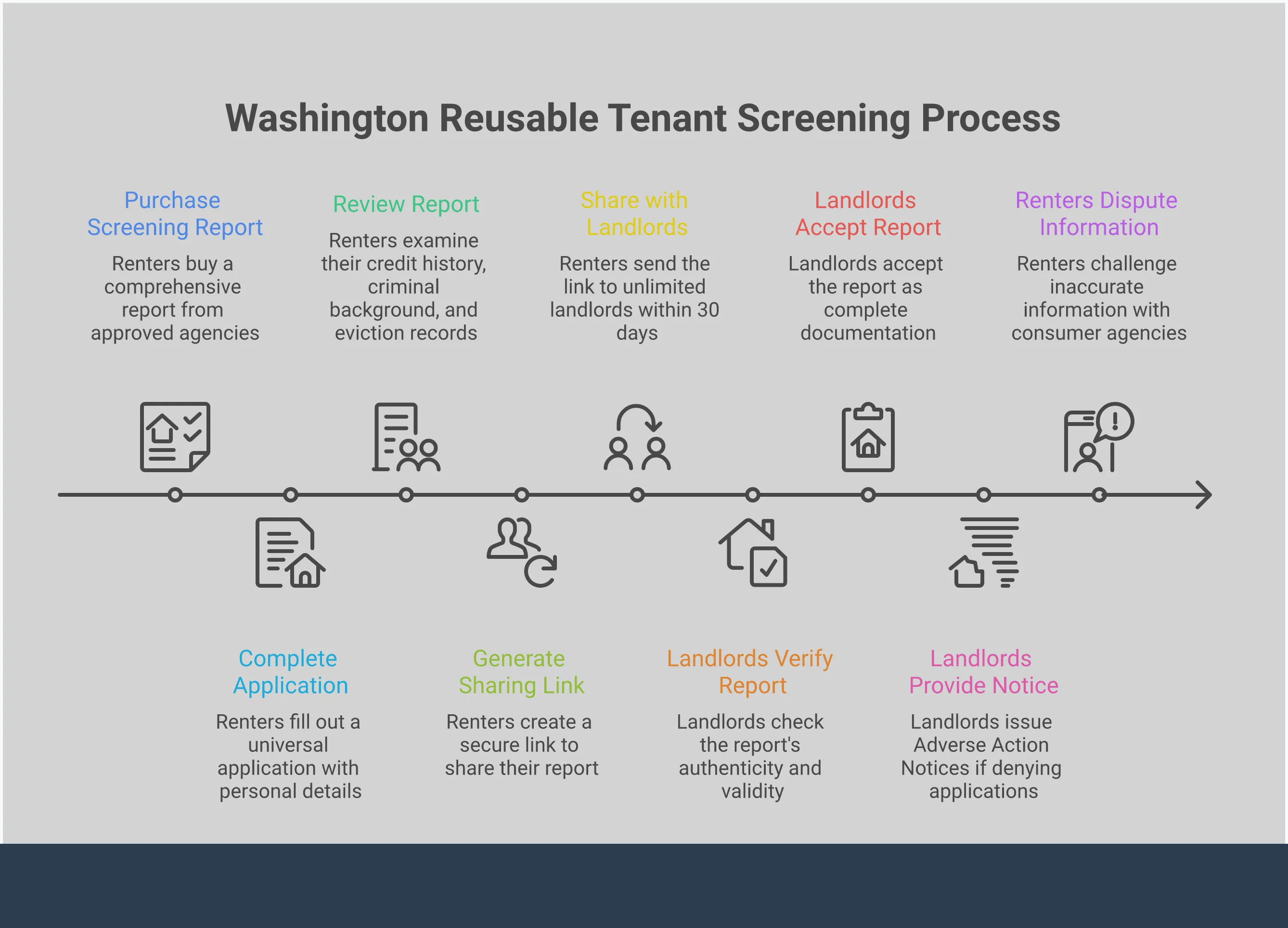
As a landlord in Washington, understanding the rules around reusable screening reports is essential for running a smooth and compliant rental business. The law isn't just about accepting a new type of document; it establishes clear guidelines for how you communicate with applicants, handle their data, and make rental decisions. Following these rules protects you from legal trouble and helps build a transparent, trustworthy relationship with potential tenants from the very beginning. Let's walk through your key responsibilities.
First things first, you need to be upfront with applicants about your policy. Washington law requires you to disclose whether or not you accept comprehensive reusable tenant screening reports. If you choose to accept them, you can still run your own background check for extra peace of mind. However, you cannot charge the applicant for your own screening process if they've already provided a valid report. This approach can make your property more attractive to renters, as it saves them money and time. By using a compliant service for landlords, you can easily verify reports and streamline your application workflow while meeting state requirements.
If you decide not to move forward with an applicant based on their screening report, you have to follow a specific process. Any decision that isn't an unconditional approval, whether it's a denial or an approval with conditions like a higher deposit, is considered an "adverse action." In these cases, you must provide the applicant with a written Adverse Action Notice. This notice needs to clearly state the reasons for your decision. It also must identify the screening company that issued the report and inform the applicant of their right to dispute any inaccurate information it contains. Being transparent here is a legal requirement that protects both you and the applicant.
Beyond the rules for reusable reports, your entire screening process must align with fair housing laws. This means you need to provide every potential applicant with your written screening criteria before they apply. These criteria should detail what you look for in terms of income, credit history, criminal background, and rental history. You also have to tell them which consumer reporting agency you use and let them know they have the right to obtain a free copy of the report. Failing to follow these rules can have consequences. According to Washington state law, a renter can take legal action if you don't comply, which could cost you in damages and attorney fees.
Ready to simplify your apartment search? Getting your own portable screening report is a straightforward process that puts you in the driver's seat. You can say goodbye to filling out the same information over and over and hello to a faster, more secure way of applying for rentals.
Getting your reusable report is much simpler than juggling multiple applications. The entire process is designed to be quick, so you can focus on finding your next home. Here’s a breakdown of the steps:
After a quick identity verification, your comprehensive report is ready. You can see exactly how it works and get started in minutes.
To make the application process as smooth as possible, it helps to have a few key pieces of information ready. Think of it like gathering your ingredients before you start cooking; it just makes everything easier. Before you begin, find these items:
Having this information on hand means you can complete your application in one sitting. Once you’re ready, you can review the pricing and begin your report.
This is where the real benefit comes in. Instead of filling out a new application for every apartment, you can share your single, comprehensive report with as many landlords as you like for 30 days. Once your report is complete, you’ll receive a secure link. Simply send this link to any landlord or property manager when you apply for a rental. They can view your verified information instantly.
You are always in control of your personal data. You decide who sees your report and can even see which landlords have viewed it. This system saves you time and money while also making things easier for property managers, who can confidently accept your report knowing it’s verified and compliant.
Washington's laws around reusable screening reports aren't just about convenience; they're about putting power back into your hands. As a renter, you have specific, legally protected rights that change how you approach the apartment search. Understanding these rights helps you move through the process with confidence, knowing you have control over your personal information and a fair shot at securing your next home. The old way of applying for apartments often felt like a black box. You’d pay a fee, submit your information, and hope for the best, never really knowing what was in the report or if it was even accurate.
The Washington Residential Landlord-Tenant Act changes that by making the screening process more transparent and giving you the tools to present yourself accurately. It establishes clear rules for both tenants and landlords to follow, ensuring fairness for everyone involved. This shift is a huge deal for renters. It means you're no longer a passive participant in the application process. Instead, you're an active, informed partner who can take charge of your rental journey. From seeing exactly what a landlord sees to correcting mistakes and deciding who gets your data, the law is on your side. Let's walk through the key rights you have as a renter in Washington so you can feel fully prepared for your apartment hunt.
First and foremost, you have the right to see your own screening report. This is a game-changer because it lets you review the exact same information a potential landlord will see before you even apply. Getting a copy of your report allows you to check for any surprises and understand how your rental and credit history looks on paper. It’s your chance to get ahead of any potential questions a landlord might have. With a portable screening report, you get a complete picture of your background check, credit history, and eviction records, all in one place. This transparency empowers you to apply for your next home with total confidence.
What happens if you find a mistake on your report? You have the right to fix it. If a landlord denies your application based on information in your screening report, they are legally required to tell you. They must also give you a chance to dispute and correct any errors. This is a critical protection that ensures you aren't unfairly turned down because of outdated or incorrect data. Whether it’s a mistaken identity on a criminal record or a credit report error, you can challenge the information. This right helps maintain the accuracy of your rental profile and promotes a fair application process for everyone.
One of the most powerful rights you have with a reusable report is control over your personal data. Instead of having landlords run your information every time you apply, you are the one who shares your report. You pay for it once, and then you can securely send it to any landlord you choose. This means your sensitive information, like your Social Security number, isn't being passed around to multiple property managers. You decide who sees your report and when. This not only saves you a significant amount of money on application fees but also gives you complete authority over your private data throughout your apartment search. It’s a smarter, safer, and more cost-effective way to apply.
Switching to a system of reusable screening reports might feel like a big change, but it’s designed to make the rental process smoother for everyone, including you. Accepting a portable report doesn’t mean giving up control; it means adapting to a more efficient and fair system that saves you time and administrative work. When a prospective tenant provides a comprehensive report, you get all the critical information you need in one go, without having to run the screening yourself. This streamlines your workflow, allowing you to fill vacancies faster with qualified applicants. Think of it as getting a pre-vetted package of information delivered right to you.
Your main responsibilities are to verify the report's authenticity and follow clear, fair procedures if you decide not to move forward with an applicant. Understanding these steps ensures you stay compliant and build a reputation as a trustworthy landlord. Our goal is to help you feel confident in this process, so we’ve broken down exactly what you need to do. We have a dedicated page with more information for landlords looking to simplify their screening. By embracing this modern approach, you not only meet legal requirements in states like Washington but also attract a wider pool of serious, prepared applicants who appreciate a more respectful and cost-effective application experience. It's a win-win that reduces paperwork and helps you focus on what matters most: finding the perfect tenant for your property.
When an applicant gives you a reusable screening report, your first step is to verify it. Start by checking that the report is recent, as Washington law requires it to be from the last 30 days. Next, confirm it comes from a reputable consumer reporting agency. A legitimate report will contain all the key details you need to make an informed decision, including a credit report, income verification, and nationwide criminal and eviction histories. Review these sections just as you would with a traditional report. The process is straightforward, and our system shows you how it works by providing a secure and comprehensive overview of each applicant. Accepting a verified report fulfills your legal obligation and gets you one step closer to finding the right tenant.
If you decide to deny an applicant or approve them with conditions (like requiring a larger deposit) based on information in their report, you have a legal duty to inform them properly. You must provide the applicant with a written "Adverse Action Notice." This notice needs to clearly state the specific reasons for your decision. For example, you might cite information from their credit history or a past eviction. The notice must also include the name, address, and phone number of the consumer reporting agency that provided the report. This gives the applicant a chance to review their information and dispute any inaccuracies. Following this procedure is a key part of Washington state law and ensures you are operating fairly and transparently.
The rental application process can often feel like a black box. You spend hours filling out forms, pay fee after fee, and then cross your fingers, often without any real insight into what happens next. It’s a system that has long felt stacked against renters, creating unnecessary stress and financial strain. The good news is that Washington’s law for reusable screening reports was specifically designed to address these pain points. It tackles two of the biggest headaches renters face: the endless cycle of application fees and the lack of transparency from landlords. This legislation isn't just a minor tweak; it's a fundamental shift aimed at creating a more equitable rental market.
This law changes the dynamic by putting more control back into your hands. Instead of starting from scratch with every application, you have a single, comprehensive report that you can use for multiple properties. This not only saves you money but also streamlines your search, letting you move faster when you find a place you love. At the same time, it establishes clear rules for landlords, requiring them to be more open about their screening criteria and their decisions. It’s a move toward a fairer, more efficient system where both renters and landlords have a clearer understanding of the process. By addressing these core issues, the law helps make finding your next home a little less daunting and a lot more straightforward.
If you’ve ever searched for an apartment in a competitive market, you know how quickly application fees add up. Paying $50 or more for every place you apply to can drain your budget fast, especially when you’re competing with dozens of other applicants. The Washington reusable screening report puts an end to this costly cycle. Instead of paying a new fee to every landlord, you pay a single flat fee for a comprehensive report that you can share with as many potential landlords as you want for 30 days. This simple change can save you hundreds of dollars during your apartment hunt. It’s a practical solution that makes the search for a new home more affordable and accessible.
Getting rejected for an apartment without knowing why is incredibly frustrating. Washington's law addresses this by requiring landlords to be more transparent. Before you even apply, a landlord must provide you with their specific screening criteria, like income requirements or credit score ranges. This way, you know exactly what they’re looking for from the start. If your application is denied based on information in your report, the landlord must give you a written notice explaining the reason. This "adverse action notice" gives you the clarity you need and the opportunity to correct any potential errors on your report. This transparency is a key part of making the rental process for landlords and tenants much fairer.
Washington's reusable screening report law isn't just a set of guidelines; it has real consequences for landlords who ignore it and provides solid protections for renters. Understanding these rules is key for a smooth and fair rental process for everyone involved. Let's look at what happens when the law is broken.
For landlords, non-compliance can be costly. The law is clear: if you don't provide the required notices to an applicant before running a screen, you could be on the hook for up to $100. While that might not sound like much, the penalties can grow. If a tenant takes you to court over a violation and wins, you could also be required to pay for their court costs and reasonable attorney's fees. These expenses can quickly add up, turning a simple application process into a significant financial headache. Following Washington's screening law isn't just good practice; it's a crucial step in protecting your business from unnecessary legal and financial risks.
As a renter, you have specific rights designed to protect you. If a landlord denies your application based on something in your screening report, they can't just say "no." They must tell you the reason for the denial and give you a chance to address any potential errors. This is a critical protection. If you find incorrect information, you have the right to contact the company that created the report and get it corrected. And if a landlord simply refuses to follow the rules, you have legal options. You can take legal action to recover damages of up to $100 plus your attorney's fees. Knowing your rights as a renter ensures you are treated fairly throughout the application process.
What if a landlord in Washington refuses to accept my reusable report? Washington law requires landlords to state their policy on reusable reports upfront. If they say they accept them, they must take your valid report. If a landlord who claims to accept these reports refuses yours without a good reason, it could be a compliance issue. Your best bet is to focus on properties where landlords understand and follow the law, as it will save you time and frustration.
As a landlord, can I still run my own background check if an applicant provides a reusable report? Yes, you absolutely can run your own screening for extra peace of mind. The key thing to remember is that if an applicant provides a valid, comprehensive report, Washington law prohibits you from charging them for your own screening process. Accepting their report can make your property more attractive to renters and simplify your workflow.
How long is my report valid, and can I use it for as many applications as I want? Your reusable screening report is valid for 30 days from the day it's created. Within that 30-day period, you can share your report with as many landlords or property managers as you need to. There is no limit on the number of applications you can use it for, which is how it saves you so much money on individual fees.
What should I do if I find an error on my screening report? One of the best parts of this process is that you see your report before any landlord does. If you notice a mistake, you have the right to dispute it directly with the consumer reporting agency that prepared it. If a landlord denies your application because of that incorrect information, they are required to give you the details you need to start the dispute process.
Is this type of report only useful in Washington? While this post focuses on Washington's specific law, the idea of a portable screening report is becoming more common. Other states, including Colorado, California, and Illinois, have similar laws. Even where it isn't legally required, many landlords appreciate receiving a complete, verified report because it shows you are a serious and organized applicant.