
The rental application process can feel like a one-sided conversation. You provide your information, but you rarely get to see what the landlord sees. This is especially true for the background check, a critical step where landlords often use an Experian tenant screening. To level the playing field, you need to know exactly what does Experian tenant screening show. It’s a comprehensive look into your credit history, public records, and past rental performance. Knowing what’s in this report allows you to anticipate questions, address potential concerns proactively, and ensure the information a landlord sees is completely accurate. It’s time to turn that one-sided conversation into a confident dialogue.
When you’re on the hunt for a new apartment, you’ll find that most landlords want to run a background check before handing over the keys. This is where tenant screening comes in. Experian, one of the three major credit bureaus, offers a service specifically for this purpose. An Experian
Think of it as a resume for your rental life. The report gathers information from your credit history, public records, and past rental experiences to create a profile. Landlords use this profile to assess risk and decide if you’re a good fit for their property. While this is a standard part of the rental process, it can feel a little overwhelming to have your information reviewed so closely. Understanding how it works is the first step to feeling more confident during your apartment search and making sure your report accurately reflects who you are.
So, what exactly does Experian look at? The screening process pulls together information from several different sources to create one detailed report for the landlord. It generally covers five key areas to build a complete picture. First, it includes your credit history, which shows your debts, payment patterns, and any late payments on loans or credit cards. It also looks for any rental-specific history, like evictions or broken leases. The report will also scan public records for things like bankruptcies or court judgments and run a criminal background check. Finally, it verifies your identity using your Social Security number and past addresses to ensure you are who you say you are.
Typically, the landlord or property management company is the one who initiates the screening request. It’s a standard step in their application process to vet potential tenants. As for who pays, it can vary. In many cases, the landlord covers the cost. However, it’s also very common for this expense to be passed on to you as part of a non-refundable application fee. If you’re asked to pay, the landlord must tell you the exact cost upfront. Applying to multiple apartments can get expensive fast, which is why understanding the pricing of different screening options can save you a lot of money in the long run.
This is a common point of confusion, but a tenant screening report and a credit report are not the same thing. While your credit report is a major component of a tenant screening, the screening report itself is much more comprehensive. A standard credit report focuses on your history with lenders, like credit card companies and banks. A tenant screening report includes that credit data but adds rental-specific information that landlords need, such as your eviction history and criminal background. It’s a specialized report designed to help landlords make an informed decision about a potential renter.
An Experian tenant screening report gives a landlord a comprehensive picture of your reliability as a renter. It goes far beyond a simple credit score, pulling together key pieces of information from different sources to create a detailed profile. Understanding what’s in this report can help you put your best foot forward and feel more confident during your apartment search. Let’s break down exactly what a landlord sees.
This is the financial snapshot that tells a landlord how you’ve handled your debts. The report includes your credit score, a three-digit number that summarizes your credit risk. Landlords often look for a score above 650, as it suggests you're a financially responsible applicant. But they also look at the details behind the score, including your payment history on credit cards and loans, how much debt you carry, and any major negative marks like bankruptcies or accounts in collections. A strong credit history shows a pattern of reliability, which gives a landlord confidence that you’ll pay your rent on time, every time.
This section is all about your track record as a tenant. Unlike a standard credit report, a comprehensive screening can include your rental payment history, showing potential landlords if you’ve consistently paid your rent on time at previous properties. It can also note any lease violations or property damage reported by past landlords. For renters with a great history, this is your chance to shine and prove you’re a responsible, low-risk choice. It provides direct evidence of your reliability, which can be even more persuasive to a landlord than your credit score alone. This is why using a service that includes your positive rental history can be so beneficial.
For landlords, avoiding evictions is a top priority. An eviction history search is a standard part of any screening report, scanning nationwide public records for any past eviction filings or judgments against you. This is a major red flag for property managers because the eviction process is often costly, time-consuming, and stressful for everyone involved. Even if an eviction was filed but didn't result in you being removed from the property, it can still appear on your record. Keeping a clean
A criminal background check helps landlords ensure a safe environment for all residents. This part of the report scans national criminal databases for any convictions or, in some cases, pending charges. Landlords use this information to assess potential risks to their property and community. It’s important to know that there are laws, like the Fair Housing Act, that regulate how landlords can use this information in their decisions. The goal is to maintain a secure community, and this check is a key step in that process, providing peace of mind for both the landlord and your future neighbors.
Before a landlord hands over the keys, they need to be sure you are who you say you are. Identity verification is a fundamental step that protects against fraud. The screening report confirms your identity by validating your Social Security number, checking it against official records, and reviewing your address history. This process ensures that the information on the application is accurate and belongs to you. Portable Tenant’s secure screening process uses bank-level security to verify your details, giving both you and the landlord confidence that your personal information is handled safely and correctly from the start.
Landlords need to know you can comfortably afford the rent each month. While a screening report provides your credit and rental history, landlords also need to verify your income. Many landlords look for a monthly income that is three times the rent. Our Experian-powered report includes income verification, streamlining the process by allowing you to securely connect your bank account to confirm your income and assets. This saves you the hassle of gathering pay stubs or bank statements and gives the landlord a clear, verified picture of your financial stability, making your application stronger and the approval process faster.
When a landlord reviews your screening report, they're trying to answer one big question: are you a reliable tenant? While your credit score is a key piece of the puzzle, it’s not the only thing they look at. They're piecing together a complete picture of your financial habits to predict how you'll handle your responsibilities as a renter. Understanding what they're looking for can help you put your best foot forward when you apply for your next home.
While there’s no universal magic number, many landlords use general guidelines when they review your Experian tenant screening report. A score of 650 or higher is often seen as a green light, signaling that you're a safe bet. If your score is in the 600 to 649 range, you might still get approved, but the landlord may ask for a larger security deposit or a co-signer to offset the perceived risk. A score below 600 can make things tougher, potentially leading to a denial or stricter lease terms. Knowing where you stand helps you prepare for the conversation.
A three-digit score doesn't tell the whole story, and experienced landlords know this. They'll often set a preferred minimum score but remain flexible for applicants with other strengths, like a high income or significant savings. Instead of just looking at the number, a savvy landlord will read the full credit report to get a complete picture. They're looking at your payment history for bills and debts, any past rental issues or evictions, public records like bankruptcies, and your criminal background. They also verify your identity to make sure everything lines up. This holistic view helps them make a more informed and fair decision.
Once you’ve shared your screening report, the landlord begins their review. It’s not just about finding a single number; it’s about building a complete picture to see if you’re a good fit for their property. Landlords are looking for a reliable tenant who will pay rent on time and take care of the space. They use the information in your report to assess risk and make a decision based on a consistent set of criteria. Understanding what they look for can help you prepare and present yourself as the great tenant you are.
To keep the process fair and legal, most landlords establish a written policy with their requirements before they even start looking at applications. This ensures they apply the same standards to every single person, which is a core principle of fair housing laws. These requirements often include a minimum credit score, a certain income-to-rent ratio (usually that your monthly income is three times the rent), and a clean rental history with no prior evictions. They’ll also check your criminal background report for anything that might pose a risk to the property or other residents. Having these clear, consistent business reasons for a decision helps protect both the landlord and the applicant.
It’s a common question: what’s more important, a high credit score or a perfect rental history? The truth is, landlords look at both to gauge your reliability. While there’s no magic number, a credit score of 650 or higher is generally seen as low-risk. If your score is a bit lower, a strong, positive rental history showing consistent, on-time payments can make a huge difference. Landlords understand that life happens, and a medical bill or past mistake might have dinged your credit. A proven track record of being a great tenant can often outweigh a less-than-perfect score, as it speaks directly to how you’ll manage your rental obligations.
Landlords can’t just pull your information without your knowledge. Legally, they must get your written permission before running a background or credit check. This is a key protection for you as a renter. Furthermore, every landlord must follow specific rules, many of which are set at the state and federal levels. For example, the Fair Credit Reporting Act (FCRA) dictates how consumer reports can be used. Many states also have their own laws that add another layer of protection, governing what information can be considered and how. This legal framework is why using a compliant service is so important for everyone involved.
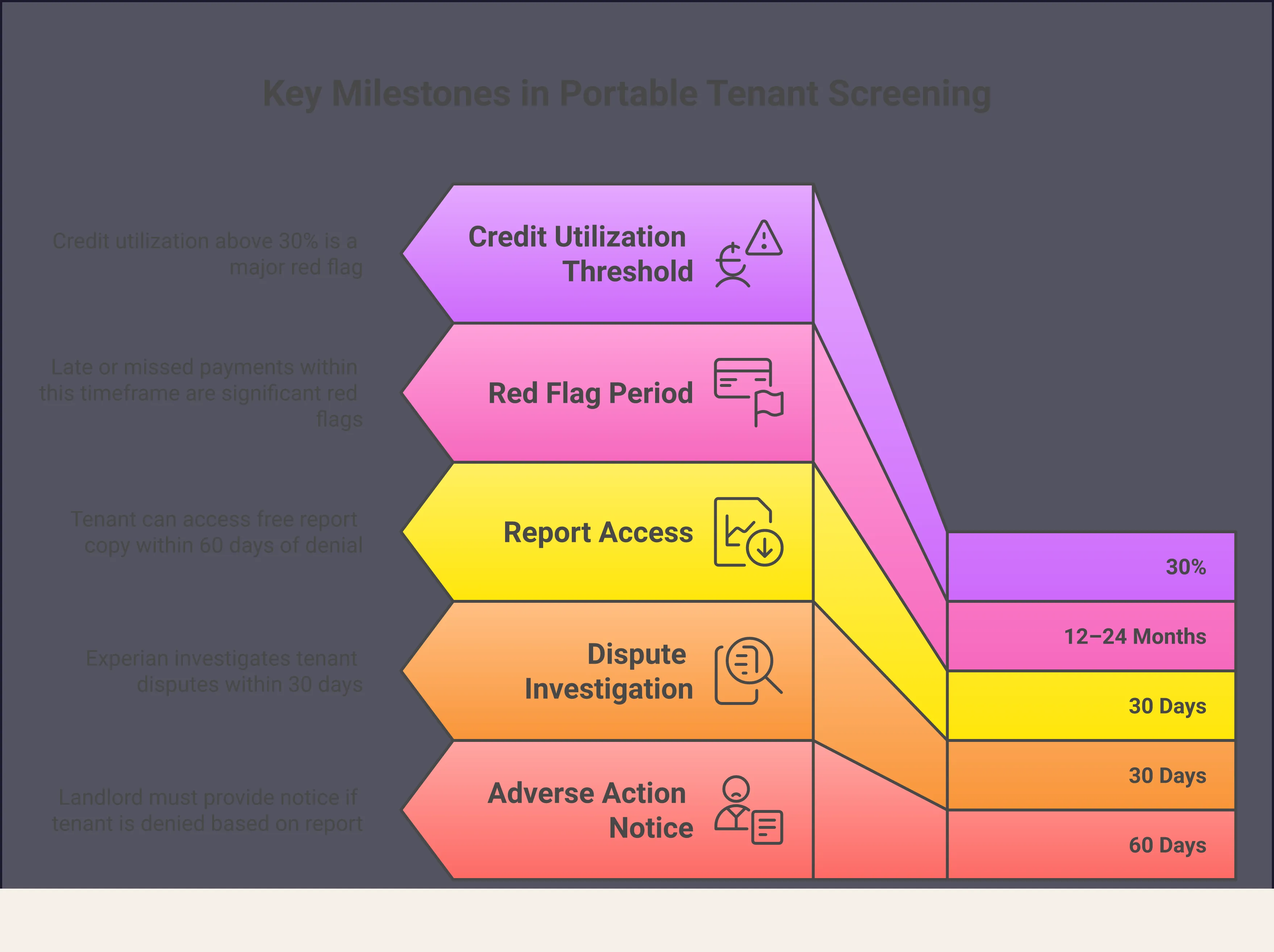
If a landlord decides not to rent to you based on information in your screening report, they are legally required to send you an "adverse action notice." This isn't just a rejection letter; it’s a formal notification that explains your rights. The notice must state the reason for the denial and provide the name and contact information of the consumer reporting agency that supplied the report (like Experian). It also has to inform you of your right to get a free copy of that report within 60 days and to dispute any inaccurate information it contains. This notice is a crucial tool that gives you transparency into the decision-making process.
When a landlord reviews your screening report, they’re looking for a story of reliability. Think of it as a financial and rental resume that helps them feel confident you’ll be a great tenant. Certain items on this report can stand out as potential red flags, giving a landlord a reason to pause. Understanding what these are ahead of time gives you the power to address them, explain them, or even fix them before you apply. From your payment history and current debt to public records and simple data errors, these factors paint a picture for a prospective landlord. Let’s walk through the most common red flags so you know exactly what to look for on your own report.
One of the first things a landlord checks is your payment history. They want to see a consistent track record of paying your bills on time, whether it’s a credit card, a car loan, or, most importantly, past rent. A history of late payments can suggest you might struggle to pay rent on time in the future. While late payments and collections can stay on your credit history for up to seven years, landlords pay closest attention to recent activity. Unpaid balances owed to previous landlords or utility companies are particularly big warning signs. This information helps a landlord understand your financial habits and assess the risk of a missed rent payment down the line.
Even with a solid income, having a lot of debt can be a concern for landlords. They often look at your credit utilization, which is the amount of credit you're using compared to your total available credit. If you're using more than 30% of your available credit, it can signal to a landlord that your finances might be stretched thin. It’s not about judging your spending; it’s about assessing stability. If a large portion of your monthly income is already going toward debt payments, a landlord might worry that any unexpected expense could make it difficult for you to cover rent. Managing your debt shows that you can handle your financial obligations responsibly.
A past eviction is one of the most serious red flags on a screening report. For landlords, it indicates a previous tenancy ended on bad terms, which is a risk they want to avoid. Beyond evictions, other public records can also hurt your application. This includes bankruptcies, tax liens, or significant court judgments against you. These items suggest major financial or legal troubles that could affect your ability to fulfill a lease agreement. While not an automatic disqualification, these records will almost certainly lead to more questions from a landlord and may require a detailed explanation from you.
Sometimes, a red flag isn't your fault at all. It’s simply an error. Your screening report could contain mistakes like a misspelled name, an old address you’re still tied to, or information that belongs to someone else with a similar name. These inaccuracies can cause confusion and may even lead to a denial if they wrongfully connect you to negative records. This is why it’s so important to review your information before you start applying. With a portable tenant screening report, you can see everything upfront, giving you the chance to spot and correct errors before a landlord ever sees them.
The tenant screening process can feel like a black box. You submit your information, pay a fee, and hope for the best. This uncertainty often creates a lot of anxiety, and it’s made worse by common myths that circulate about how screening actually works. Believing these misconceptions can cause you to count yourself out of the running for a great apartment or spend money on applications you have no chance of getting. The truth is, the process is more straightforward than you might think, especially when you understand what landlords are really looking for.
Let's clear the air and bust a few of the most persistent myths about tenant screening. We’ll look at the difference between a screening report and a simple credit check, whether one negative mark will sink your application, and what you can do if you find a mistake on your report. Knowing the facts empowers you to approach your next rental application with confidence. It also helps you prepare your information effectively, giving you the best possible shot at landing your new home without unnecessary stress or confusion. Understanding your rights as a renter is the first step toward a smoother rental journey.
This is one of the biggest and most common points of confusion. While your credit report is a key part of a tenant screening, they are not the same thing. A standard credit report focuses on your financial history with lenders. A tenant screening report is much more comprehensive, designed specifically to give a landlord a holistic view of your reliability as a tenant. It pulls together your credit history, a nationwide criminal background check, and a search for any past evictions. Our Experian-powered report also includes income verification to confirm you can afford the rent, giving landlords a complete picture in one secure document.
It’s easy to panic over a past mistake, like a late payment or an account that went to collections. But in most cases, one blemish won’t automatically get your application denied. Landlords are typically looking for patterns of risk, not a single slip-up. For example, a strong rental history and stable income can often outweigh one negative mark on your credit. Of course, some issues are more serious than others; a past eviction is a major red flag. However, many landlords are willing to consider the whole story. If you have a known issue, being prepared to explain it and provide positive references can make all the difference.
This is completely false. You have the right to an accurate report, and you can and should dispute any errors you find. Under the Fair Credit Reporting Act (FCRA), the reporting agency, such as Experian, must investigate your claim. If you find a mistake, you need to file a dispute with the credit bureau. They generally have 30 days to investigate and correct any confirmed errors. This is why it’s so important to review your own report before you start applying for rentals. Finding and fixing an inaccuracy ahead of time can prevent it from costing you a great apartment.
So, what happens if you find something on your report that just doesn’t look right? The good news is you absolutely can, and should, dispute any errors you find. It’s your right under the Fair Credit Reporting Act (FCRA). While Experian tenant screening reports are thorough and generally accurate, they aren't infallible. Information comes from many different sources, including public records and creditors, and sometimes mistakes get pulled in. An error could be as simple as a misspelled name leading to mixed-up files or as significant as a paid-off debt still showing as outstanding.
These inaccuracies can have a real impact on your rental applications, potentially leading to a denial for a place you love. That's why it's so important to be proactive. Taking control of your information starts with knowing what's on your report and making sure it's 100% accurate. Services that provide a portable screening report are a game-changer here, because you get to review everything first. This gives you the chance to catch and correct issues before a landlord ever lays eyes on your report. It’s all about putting you back in the driver's seat of your rental journey instead of feeling like a passenger.
Even though screening reports are usually on the mark, errors can pop up. Often, they come from outdated public records or simple typos in a name or address that can mix your information with someone else's. Sometimes, the issue isn't the report itself but how a landlord interprets it. They might just glance at the credit score and miss the positive rental history, or not realize that certain negative items can legally stay on your report for up to seven years. Spotting these potential problems before you apply gives you a huge advantage and prevents misunderstandings from costing you a great apartment.
If you find a mistake, don't panic. You have the right to get it corrected. Here’s how to handle it: First, get a copy of your report and clearly identify what’s wrong. Next, gather any proof you have, like bank statements or court records, that shows the information is incorrect. Then, you can head to Experian's online dispute center to submit your claim, upload your evidence, and explain the error. Experian has 30 days to investigate. Once that time is up, be sure to check your report again to confirm the correction has been made. It’s a straightforward process that ensures your report is fair and accurate.
Waiting for a landlord’s decision on your rental application can feel like you’re just sitting on the sidelines. But you have more power in this process than you might think. By taking a few proactive steps, you can present the best and most accurate version of yourself as a potential tenant. It’s not about trying to be someone you’re not; it’s about making sure your financial responsibility and reliability shine through.
Focusing on your credit, rental history, and overall preparedness can make a huge difference. When a landlord sees a well-prepared applicant, it signals that you’re organized and serious about your commitments. Let’s walk through four key strategies you can use to strengthen your rental application and feel more confident hitting that “submit” button.
The best way to prepare for a screening is to see exactly what the landlord will see. Before you start applying, it’s a great idea to review your own credit and background information. This gives you a chance to catch any surprises or inaccuracies that could slow down your application. A service like Portable Tenant gives you full access to your Experian-powered report so you know what’s on it before you share it.
If you find any errors, like a debt that isn’t yours or an incorrect late payment, you can start the dispute process to get it corrected. Having a clean, accurate report with a credit score above 650 can significantly improve your chances of approval and may even help you secure lower security deposits.
Landlords look at your credit report to understand your financial habits. One key metric they often consider is your credit utilization ratio, which is the amount of credit you're using compared to your total available credit. A good rule of thumb is to keep your balances below 30% of your credit limits. For example, if you have a credit card with a $10,000 limit, try to keep the balance under $3,000.
Paying down high credit card balances before you apply can have a positive impact on your credit score. To a landlord, a lower credit utilization ratio suggests that you manage your finances well and aren't overextended, making you a more reliable candidate for paying rent on time.
Did you know you can get credit for paying your rent on time? Many renters don’t realize this is an option, but it’s a fantastic way to build a positive credit history. You can use rent-reporting services that add your on-time rent payments to your credit file through programs like Experian RentBureau. This is especially helpful if you have a limited credit history or are working to improve your score.
A strong record of consistent, on-time rent payments is one of the best references you can have. It provides landlords with direct evidence that you are a responsible tenant, which can often be more persuasive than your credit score alone.
Being organized is a green flag for any landlord. Before you even start your apartment search, gather all the documents you’ll likely need. This usually includes recent pay stubs, bank statements, tax forms like W-2s, and maybe even a letter from your employer confirming your position and salary. Having these files ready to go shows that you’re a serious and prepared applicant.
This simple step makes the application process smoother for both you and the landlord. When you can provide everything they need right away, you reduce delays and present yourself as a responsible person who has their affairs in order. It’s a small effort that leaves a big, positive impression and helps you streamline the rental process.
The traditional rental application process can feel like a marathon of paperwork and fees. You find a place you love, fill out an application, pay a fee, and wait. If it doesn't work out, you start all over again. This cycle is costly and time-consuming for renters and creates administrative headaches for landlords. But what if there was a better way? A portable tenant screening report changes the game by putting a comprehensive, reusable, and secure report directly into your hands.
At Portable Tenant, we partner with Experian to give landlords a clear and complete picture of your application. Our Experian-powered report pulls together all the essential information a landlord needs to see, like your credit history, public records, and rental payment history. Think of it as your rental resume. It’s a professional way to present yourself as a reliable tenant, backed by data from one of the most trusted credit bureaus. This comprehensive report helps landlords make informed decisions quickly, which means you get an answer faster.
The best part about a portable report is right in the name: it’s portable. Instead of paying a separate application fee for every single apartment you apply for, you pay one time for a report you can use again and again. You can share your single, reusable report with as many landlords as you like within a set period. This not only saves you a significant amount of money but also speeds up your apartment search. You can apply for multiple properties on the same day without waiting for a new background check to process each time. It’s a smarter, more efficient way to find your next home.
Your personal information is valuable, and you should have the final say on who sees it. With a portable report, you are in the driver's seat. You authorize access for each landlord, and you can revoke that access at any time. This eliminates the risk of your sensitive data sitting in multiple unsecured databases. Plus, you get to see your report first. If you spot any inaccuracies, you have the chance to dispute them directly with Experian before a landlord ever sees them. This ensures the information presented is fair and accurate, giving you full control and peace of mind throughout your rental journey.
What if I have a low credit score but I know I'm a great tenant? This is a very common worry, but a low score isn't an automatic dealbreaker. Many landlords look beyond the three-digit number to see the whole picture. Your best strategy is to highlight your strengths. If you have a solid income, a spotless rental history with on-time payments, and positive references from past landlords, make sure that information is front and center. You can also proactively offer a larger security deposit or suggest a co-signer to show you're serious and willing to provide extra assurance.
How can I explain a red flag, like a past eviction or high debt, to a landlord? Honesty and preparation are your best tools here. If you know there's a potential issue on your report, don't wait for the landlord to find it. Prepare a brief, professional letter explaining the situation. For example, you could explain that a past medical emergency led to high debt, but you've been on a consistent payment plan since. Or if you had a past rental dispute, explain what happened and what you learned from it. Backing this up with strong current references can show that the issue is in the past and doesn't reflect who you are as a tenant today.
Will every landlord accept a portable tenant screening report? While portable reports are becoming more common, especially in states with laws that encourage them, some landlords may not be familiar with the process yet. If you encounter a landlord who is hesitant, you can explain the benefits. Let them know it's a comprehensive, Experian-powered report that gives them all the information they need, that it saves everyone time, and that it's a secure way to handle your personal data. Presenting it as a modern, efficient solution can often win them over.
How long does negative information stay on my report? Most negative information has a set expiration date. Things like late payments, collections, and foreclosures typically remain on your credit report for seven years. A Chapter 7 bankruptcy can stay for up to ten years. Eviction records can also appear for seven years. While this might sound like a long time, landlords usually place more weight on your recent history. A single mistake from five years ago is far less concerning than a pattern of late payments over the last year.
Does a tenant screening check hurt my credit score? This depends on who initiates the check. When a landlord pulls your credit as part of their application process, it usually results in a "hard inquiry," which can cause your score to dip by a few points. However, when you use a service like Portable Tenant to generate your own reusable report, it's considered a "soft inquiry." Soft inquiries do not affect your credit score at all, which is a major benefit when you're applying to multiple places.