
The traditional rental application process can feel stuck in the past. You find a place you love, pay a $50 fee, and then repeat the process all over again for the next one. This cycle leaves many renters asking why they have to keep paying, and it raises the bigger question of who pays for the tenant background check in the first place. Fortunately, a modern solution is making this outdated model obsolete. With a reusable, portable screening report, you pay once for a comprehensive check that you control and can share with multiple landlords. This approach saves you money, protects your private data, and streamlines the entire search, making it a win-win for both renters and landlords looking for efficiency and fairness.
So, you’ve found a promising rental, and it’s time to apply. One of the first questions that comes up is about the background check: who actually foots the bill? It’s a fair question, and the answer isn’t always the same. While it’s common for applicants to pay, the responsibility can sometimes fall on the landlord. The decision often depends on a few key things: the local rental market, specific laws in your area, and the landlord’s own strategy for attracting great tenants. For renters, knowing who pays is crucial for budgeting, especially when you're applying to multiple places and fees start to stack up. For landlords, deciding whether to cover this cost can be a strategic tool to fill vacancies faster in a competitive environment. It's a small detail in the rental process that has a big impact on both sides of the lease agreement. Understanding the common scenarios can help you feel more prepared and confident as you search for your next home. Let's break down exactly when you can expect to pay, and when the landlord might pick up the tab.
While it’s less common, some landlords do choose to pay for tenant background checks. Think of it as a strategic move on their part. In a competitive rental market where landlords have many properties to fill, covering the application fee can make their listing much more attractive. By removing that initial cost barrier, they can encourage more high-quality tenants to apply, giving them a better pool of candidates to choose from. You might also see this in specific situations, like near a university where a landlord wants to make it easier for students to apply. When a landlord pays, it often signals they are eager to fill their vacancy with the right person, and fast.
More often than not, the person applying for the rental is the one who pays for the background check. This has become a standard part of the application process in most places. The fee you pay typically covers the cost for the landlord or property manager to run a comprehensive report, which includes your credit history, criminal record, and any past evictions. While this is the norm, these fees can add up quickly, especially if you’re applying to several different apartments. Paying $30, $50, or even more for every single application gets expensive. This is why using a service with a single, transparent fee for a report you can reuse is a game-changer for renters.
Ultimately, the question of who pays often comes down to simple supply and demand, along with local regulations. In a renter's market, where there are plenty of available units and landlords are competing for tenants, you’re more likely to see landlords covering the screening costs. Conversely, in a tight landlord's market with low vacancy rates, the cost almost always falls on the applicant. Beyond market dynamics, local laws play a huge role. Some cities and states have specific rules that cap application fees or dictate how they can be used. Both renters and landlords need to be aware of these local rules to ensure the process is fair and fully compliant.
If you’ve ever applied for a rental, you’ve probably wondered about the application fee. It often feels like a black box, with costs typically ranging from $50 to $60 per application. The truth is, there isn't one set price for a tenant background check. The final cost depends on what the report includes, who runs it, and even where you live. Let's break down what you're actually paying for and how you can be smarter about these fees.
So, what exactly is in that report you're paying for? A tenant screening isn't just a quick Google search. It’s a detailed review landlords use to assess potential tenants. A standard report usually pulls together your credit history, a nationwide criminal background check, any past eviction records, and sometimes even your employment and income verification. Think of it as your complete rental resume. Understanding these components helps you see why there's a cost involved and what a landlord learns from a comprehensive screening report.
The price tag on a background check can change quite a bit, and it’s not random. The cost is influenced by how deep the search goes. A basic check is cheaper than one that pulls records from multiple states and databases. The provider running the check also matters, as different companies package their services differently. On top of that, some cities and states have specific rules that can affect the price. This is why you might see one landlord charging $47 and another $60. Finding a service with transparent pricing helps you know exactly what to expect from the start.
Applying to multiple apartments can get expensive fast. Paying a separate, non-refundable fee for every single application adds up and can strain your budget during an already stressful time. This is where a smarter approach comes in. Instead of paying over and over, you can use a single, reusable report. A portable tenant screening report allows you to pay one fee for a comprehensive check that you control. You can then share this secure report with as many landlords as you need to, saving you both time and money throughout your apartment search.
While market demand often dictates who covers the cost of a background check, it’s not a free-for-all. A mix of federal, state, and local laws creates a framework that protects renters and sets clear expectations for landlords. Understanding these rules is key to a fair and transparent rental process for everyone involved.
The main law governing background checks is the Fair Credit Reporting Act (FCRA). While it doesn't specify who has to pay, it gives you crucial rights as a renter. The FCRA ensures that the information used in your screening is accurate and that you're treated fairly. For example, a landlord must get your written permission before running a background check. This law is your first line of defense, making sure the screening process is transparent and giving you a say in how your personal information is used.
If a landlord decides not to rent to you based on your background check, they can't just leave you guessing. Under the FCRA, they must provide an "adverse action notice." This notice explains that the report influenced their decision and gives you the screening company's contact information. It also informs you of your right to get a free copy of the report and to dispute any inaccurate information it contains. This is a critical step that ensures you’re not unfairly penalized for errors.
Beyond federal rules, your rights and a landlord's responsibilities often get more specific at the state and city level. Many local governments have their own landlord-tenant laws that can dictate how much a landlord can charge for an application fee or if that fee is refundable. For instance, some cities cap the fee at the actual cost of the screening. Because these rules vary so much, it’s a smart move for both renters and landlords to get familiar with their local regulations. A quick search for your city or state’s tenant rights can save you confusion and money.
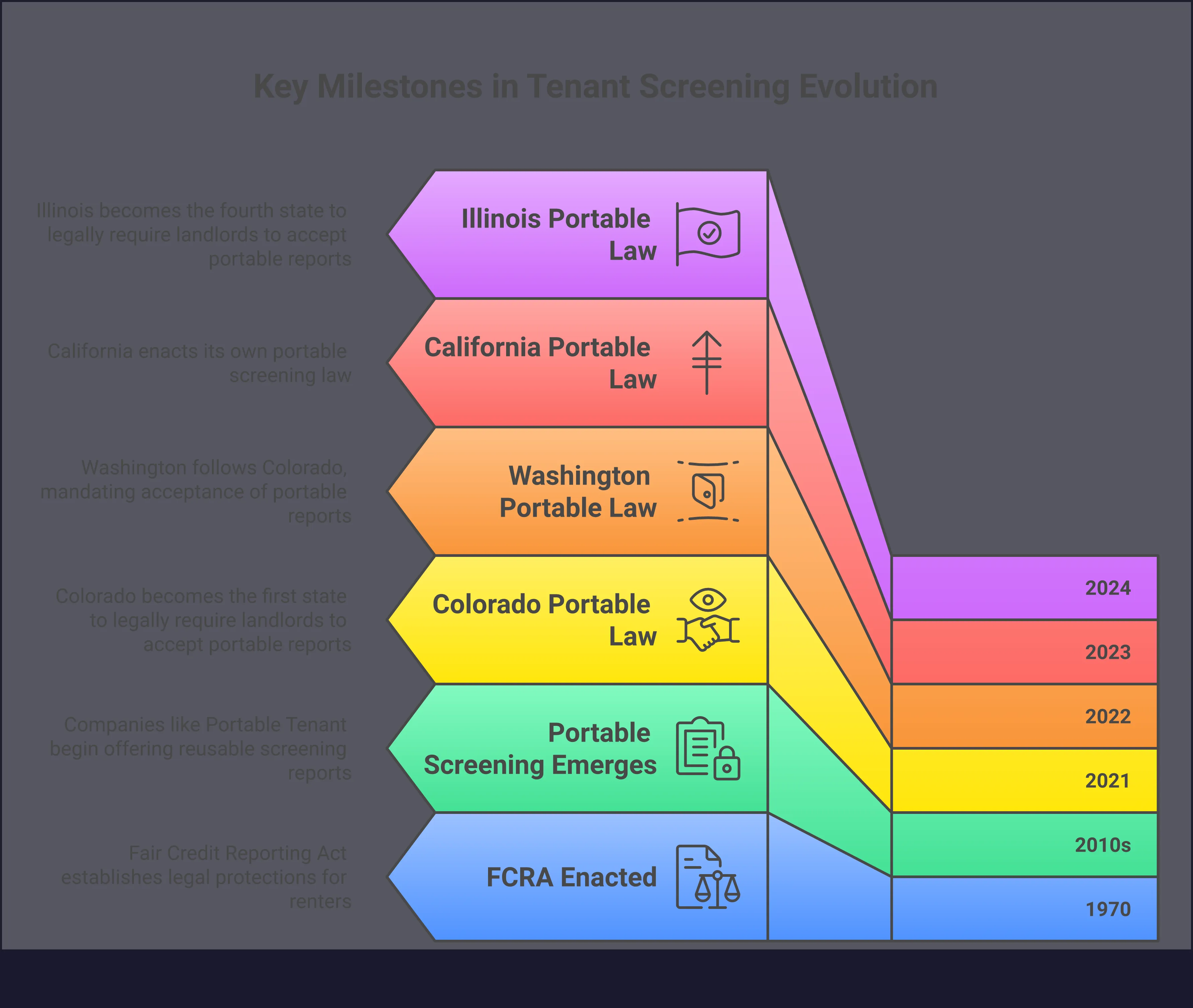
A growing number of states are making the rental process even more renter-friendly with portable screening laws. States like Colorado, Washington, California, and Illinois now require many landlords to accept a reusable tenant screening report that a renter provides. This is a game-changer. Instead of paying a new fee for every application, you can use one comprehensive report for multiple listings. This approach saves you money and gives you more control over your personal data. It’s a modern solution that makes the process more efficient and fair, which is exactly how a portable report works.
So, who actually foots the bill for a tenant background check? The answer isn't always simple. While some states have specific rules, the decision often comes down to a mix of the local rental market, the landlord's policies, and the terms you agree to in the application. Understanding these factors can help you know what to expect before you start your apartment search.
Think of it in terms of supply and demand. In a competitive rental market where apartments get snapped up quickly, landlords have more leverage. It’s common for them to ask applicants to cover the screening fee. On the other hand, if there are many vacant units in an area, a landlord might offer to pay for the background check as an incentive to attract a great tenant. Some landlords also have a standard policy they stick to regardless of market conditions. They might see the screening cost as a necessary business expense for finding a reliable renter for their property.
The rental application and lease agreement are your most important guides. These documents should clearly state who is responsible for paying any screening fees. If the agreement says the tenant must pay, then that’s the policy you’re agreeing to by applying. This is why it’s so important to read every document carefully before you sign or submit payment. The process of applying for a rental almost always includes giving your consent for the background check, and the fee structure is a key part of that initial application process. Make sure you’re clear on the costs upfront to avoid any surprises.
Local and state laws can play a big role in who pays and how much they can be charged. For example, some states cap application fees to prevent excessive charges. Beyond specific fee rules, the federal Fair Housing Act is designed to prevent discrimination. This means landlords must apply their screening fee policies consistently to every applicant. They can't pick and choose who to charge based on race, family status, or other protected characteristics. Using a compliant screening service helps landlords ensure their process is fair and consistent for everyone, which protects both the landlord and the renter.
The question of who foots the bill for a background check is a common sticking point in the rental process. While it might seem like just another fee, deciding whether the tenant or landlord pays can change the dynamic of your apartment search. Paying for your own check isn't always a bad thing; in fact, it can sometimes put you in a better position. Let's walk through the pros and cons so you can decide what works best for you.
When you pay for your own background check, you gain a surprising amount of control. Instead of handing your sensitive information over to a new person with every application, you manage who sees your data and for how long. This is a huge benefit for privacy. Plus, having a report ready to go means you can apply for apartments faster. In a competitive market, being the first applicant with a complete package can make all the difference.
Using a reusable screening report also means you pay once and can share it with multiple landlords. This approach saves you from paying separate application fees, which can add up quickly. It shows landlords you're prepared and serious about your search.
The biggest drawback for tenants paying for background checks is the cost, especially when it's not a one-time fee. Many renters find themselves paying around $50 for every single application they submit. If you're applying for five different apartments, that's an extra $250 you have to spend just for a chance to be considered. This is a common frustration, and these repetitive fees can feel unfair, particularly when you're already saving up for a security deposit and first month's rent.
While some landlords might cover the cost to attract great tenants in a slow market, you can't rely on it. More often than not, the expense falls on the applicant, creating a significant financial hurdle during an already stressful time.
This is where a portable tenant screening report changes the game. It directly addresses the problem of high, repetitive fees by letting you purchase one comprehensive report and reuse it for multiple applications. This model saves you both time and money. It also gives you the chance to run a screening report on yourself first, so you can spot and fix any errors before a landlord ever sees them.
Even better, several states, including Colorado, Washington, and California, have laws requiring landlords to accept portable reports. This means you can confidently use a service like Portable Tenant knowing that landlords in these areas must accept your report, streamlining your application process and putting you in control.
How can I avoid paying so many application fees when I'm apartment hunting? The best way to avoid paying separate fees for every application is to use a portable tenant screening report. Instead of paying a new landlord each time, you pay once for a comprehensive report that you can securely share with multiple properties. This approach saves you a significant amount of money and streamlines your search, showing landlords that you are a serious and prepared applicant.
Why would a landlord ever choose to pay for a background check? It often comes down to strategy. In a rental market with many available units, a landlord might pay for the screening to make their property more appealing to top-tier applicants. By removing that initial cost, they can attract a larger pool of qualified renters and fill their vacancy more quickly. It can be a smart business move to find the right tenant without delay.
What happens if a landlord rejects my application because of the screening report? If a landlord denies you based on information in your background check, they are legally required to give you an adverse action notice. This notice must explain that the report was a factor in their decision and provide the contact information for the screening company. This gives you the right to request a free copy of the report and dispute any inaccurate information you find.
Is it normal for background check costs to be different for each apartment? Yes, it's quite common for the cost to vary. The price depends on how thorough the report is, which screening company the landlord uses, and any administrative costs they include. This is why you might see one application fee set at $47 and another at $60. A service with transparent, flat-rate pricing for a report you can reuse helps you know exactly what you're paying for from the start.
How do I know if my state requires landlords to accept a portable report? A growing number of states, like Colorado and Washington, have laws that require landlords to accept a reusable report provided by the applicant. The easiest way to check the rules in your area is to do a quick online search for "[Your State] portable tenant screening law." Even if it's not legally required, many landlords are happy to accept a comprehensive report because it saves everyone time and effort.